How Uganda’s Fight Against Covid-19 is Hurting Digital Rights Amidst a Looming Election

By Apolo Kakaire |

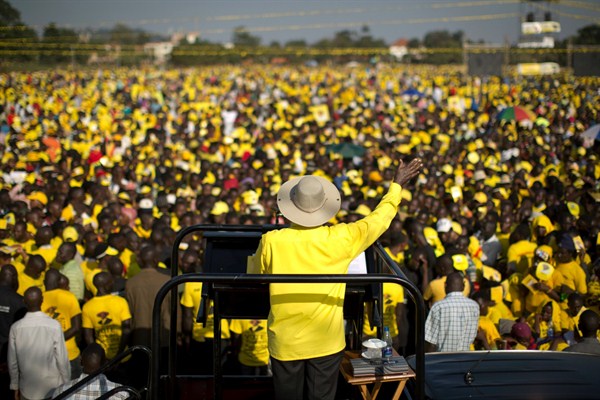
The outbreak of coronavirus disease (Covid-19) could not have come at a worse time for Uganda, as the country prepares for what is being referred to as a “scientific election”, where physical rallies are severely restricted, with candidates advised to rely more on the media to canvass support.

Various measures adopted by the government to fight Covid-19 are hampering the enjoyment of various rights and freedoms, and the conduct of the election. The onslaught on the media, the political opposition and social media users has undermined citizens’ right to freely express themselves, and to access to a variety of news and information, which is critical to their informed decision making during this electoral process.

The right of individuals to peaceful assembly and association is linked to their ability to freely express their opinions, and to share and have access to information, both offline and online. However, in response to the pandemic, the government, adopted a series of statutory instruments which quickly suspended constitutional guarantees without reasonable justification or meaningful stakeholder consultation.

Uganda instituted the first set of measures to contain the spread of Covid-19 on March 18, 2020, which included the closure of schools and a ban on all political, religious and social gatherings. A week after the March 22, 2020 confirmation of the first case in the country, the ministry of health issued The Public Health (Control of COVID-19) (No. 2) Rules, 2020 that introduced further restrictions including a dusk-to-dawn curfew, the closure of institutions of learning and places of worship, the suspension of public gatherings, a ban on public transport and the closure of the country’s borders and international airport to passenger traffic.

Many of these measures, including the opening of the country’s international borders, easing of public transport, and allowing public gatherings of up to 200 people, have since been relaxed. However, in the run-up to the January 14, 2021 elections the state has  continued to invoke the repressive Covid-19-related laws and regulations, as well as those predating the pandemic, as a tool to intimidate, arrest, and detain persons, including critics and political opponents. Consequently, it is increasingly looking like Covid-19 has handed the government a ready excuse to trample citizens’ digital rights and hinder civic engagement and mobilisation by its opponents.

The January elections will pit the incumbent president Yoweri Museveni, who is seeking to extend his 35-year rule, against 10 other candidates.  

Curbing Freedom of Expression

Like many other countries, Uganda was hit by cases of Covid-19 related misinformation, and as early as February 2020, the Ministry of Health had moved to dispel reports that cases of Covid-19 had been confirmed in the country.

In March. the communication regulator, Uganda Communication Commission (UCC), issued a public advisory notice against individuals misusing digital platforms to publish, distribute and forward false, unverified, or misleading stories and reports. The regulator warned that any suspects would be prosecuted for offending the Computer Misuse Act 2011, the Data Protection and Privacy Act 2019 and Section 171 of the Penal Code Act Cap 120.

Also in March 2020, the UCC wrote to three media houses – BBS, NTV, and Spark TV – demanding that they show cause why regulatory sanctions should not be taken against them. The regulator accused the media houses of airing content that had the potential “to confuse, divert and mislead unsuspecting members of the public against complying with the guidelines issued by Government authorities on the coronavirus.”

In April 2020, Adam Obec of the Kampala Capital City Authority (KCCA) was arrested on allegations of “spreading false information regarding coronavirus.” According to the police, Obec had circulated information on social media claiming that Uganda had recorded its first Covid-19 death, an action that had purportedly triggered fear and panic in the public and undermined government’s efforts to contain the pandemic.

In the same month, Pastor Augustine Yiga (now deceased) of Revival Church in Kampala was arrested and charged for uttering false information and spreading harmful propaganda in relation to Covid-19. He was later released on a non-cash bail pending trial.

On April 21, the Ugandan military arrested and detained Kakwenza Rukirabashaija, a writer, over an April 6 Facebook post that allegedly urged the public not to comply with  Covid-19 public health guidelines. The post suggested that the president needed to “be serious” about enforcing directives, and that “if the country plunges into the abyss of famine … never blame Coronavirus but yourself and [your] bigoted methods.” The author was charged with committing an act likely to spread a disease, contrary to section 171 of the Penal Code Act and transferred to civil detention on remand. He was later released on a non-cash bail.

Increased Surveillance and Processing of Personal Data

The on-set of Covid-19 led to an increase in incidents of personal data collection and processing as the government traced suspected Covid-19 patients and their contacts. As part of efforts to Covid-19, the government passed various statutory instruments that can be interpreted to be the legal basis for contact tracing. These included the Public Health (Control of COVID-19) Rules, 2020 under the Public Health Act, which gave powers to a medical officer or a health inspector to enter any premises in order to search for any cases of Covid-19 or inquire whether there is or has been on the premises, any cases of Covid-19. Additionally, section 5 of the rules empowers the medical officer to order the quarantine or isolation of all contacts of the suspected Covid-19 patients.

Also introduced was the Public Health (Prevention of COVID-19) (Requirements and Conditions of Entry into Uganda) Order, 2020 that allows a medical officer to examine for Covid–19, any person arriving in Uganda. The medical officer may board any vehicle, aircraft or vessel arriving in Uganda and examine any person on board.

In the same month, the Ministry of Health also issued additional Guidelines on Quarantine of Individuals in the context of Covid-19 in Uganda, which required all quarantined persons to provide their name, physical address, and telephone contact to the healthy ministry monitoring team.

Earlier in March 2020, the government reportedly  struggled to trace and contact returnees for testing and possible quarantine, as many of them had chosen not to present themselves to the authorities. However, the ministry of health said that it was in possession of the contact details of all returnees, which it was using to trace them.

However, in what appears to be a breach of individual privacy, there were reports of some Ugandans using online platforms, mainly Facebook and WhatsApp to share personal contact details of the suspected returnees, with threats of further exposure should they fail to report for testing.

It remains unclear how the public got access to the personal details of the suspected individual returnees that led to some targeted physical attack and threats of eviction and online exposure that breached the right to personal privacy of these individuals as provided for in the Data Protection and Privacy Act, 2019.

Clampdown on Opposition Rallies and Meetings

In October 2020, Uganda’s Electoral Commission (EC) issued campaign guidelines requiring candidates to ensure that their rallies do not exceed 70 attendees and to ensure they maintain a two metres distance, so as to contain the spread of the coronavirus. The number was later revised to a maximum of 200 people. Contestants were also encouraged to use the media as a primary campaign channel.

However, it has proved a challenge for contestants to adhere to the electoral body’s guidelines on the numbers of attendees. Worse still is that security agents have been accused of breaking up opposition meetings and rallies with less numbers than those prescribed in the guidelines, while turning a blind eye to the ruling National Resistance Movement (NRM) party, whose candidates’ rallies and processions often gather more than 200 people.

On November 18, 2020, the National Unity Platform (NUP) presidential candidate Robert Kyagulanyi a.k.a. Bobi Wine was arrested in Luuka District where he was scheduled to address his supporters. Police accused him of having more than 200 attendees. In ensuing protests, mostly in the capital Kampala, security forces shot more than 50 people and arrested over 800 people.

Under the guise of controlling the spread of the virus, opposition presidential candidates are regularly stopped from accessing major towns and are forced to  abandon their plans of campaigning in some districts, or  only hold meetings in low population centres with limited voter numbers. That leaves the mass media as their main means of spreading their messages and reaching voters.

As part of efforts to discourage mass rallies, the UCC in November 2020 issued the Guidelines on the Use of Media during the General Elections and Campaigns 2021. According to the guidelines, all media stations shall not discriminate against any political party or candidate, or subject any political party or candidate to any prejudice in the broadcasting of political adverts. Additionally, all state-owned media stations, in accordance with the Presidential Elections Act, 2005, and the Parliamentary Elections Act, are required to schedule meetings with nominated presidential candidates, parliamentary candidates and other political contenders or their representatives to agree on the schedule or timetable for campaigns, and how it can be shared equitably among the contenders.

On the other hand, all private media stations are required to ensure that all their advertising space and air time is not bought out by one party. Moreover, all political parties, organisations and candidates must be given an opportunity to purchase airtime for political adverts or campaigning where they so request.

However, for several contestants, attempts to use broadcast media, especially radio talk-shows, have been frustrated as they have been denied access. In Soroti district, the FDC presidential candidate, Patrick Oboi Amuriat, was denied access to any of the radio stations. Amuriat said that radio stations including “Etop, Delta and Kyoga Veritas where he had booked for talk shows declined to host him citing intimidation from (the) government.” In Kotido, Amuriat was also denied airtime in any of the radio stations while in Agago, a radio station which was hosting him was switched off air for about 30 minutes during the show.

Kyagulanyi, another presidential candidate, was on November 25, 2020 told to leave Spice FM radio premises in Hoima City, where he was set to address residents of that area, a few minutes after his arrival. Last August, Kyagulanyi dragged the government to court for blocking his radio talk shows.

These patterns are not new. Dr. Kiiza Besigye, who contested against Museveni for the presidency in the last four presidential elections, was on multiple occasions denied access to radio airtime, with the radio stations often warned  not to host him.

In 2016, the state broadcaster UBC was found by the Supreme Court, in the presidential election petition  by then presidential candidate Amama Mbabazi, to have flouted Article 67(3) of the Constitution and Section 24(1) of the Presidential Elections Act. The provisions require that all presidential candidates be given equal time and space on state-owned media to present their programmes to the people.

Impact on Citizen Democratic Participation

With just a few weeks left until the January 14 election), the government of Uganda should restrain itself from further affronts on civil liberties, especially the rights to freedom of expression, access to information, assembly and association, the lifeblood of any democratic society. Efforts to combat and contain the pandemic should not be used as an excuse or tool to stifle democracy.


Vodacom Outshines MTN in Efforts to Serve Persons With Disabilities in South Africa

By CIPESA Writer |

South Africa has a national disability prevalence rate of about 7.5%, which represents approximately 2.87 million persons with disability. According to the Marginalised Groups Indicator Report of 2018, the bulk of this population resides in Gauteng province and the least in the Northern Cape, with the most affected age groups being 5-14 and 15-24 years. Women have a higher chance of being disabled than men and are more likely to receive less schooling. 

While households of persons with disabilities have a 90% likelihood of having access to electricity, their access to technological devices is far lower, in major part due to failure by telecom operators to provide accessible services and devices to this often marginalised population.

See this report: Access Denied: How Telecom Operators in Africa are Failing Persons With Disabilities 

The telecommunication industry plays a critical role in providing information and communication services to the public. However, many telecom operators are failing to provide accessible information and services to large sections of persons with disabilities.

A study conducted among 10 telecom companies in five African countries sought to understand this digital access and service gap within the telecom industry in promoting digital accessibility for persons with disabilities, in particular visual and auditory disabilities. In South Africa, the main market share holders, MTN (28%) and Vodacom (42%), were the focus of the study. The study found that both operators offered affordable accessible handsets, but such handsets were not available in all outlets. 

This inconsistent product availability was accompanied by limited staff knowledge of any special offerings for persons with disabilities (such as call, SMS, data or discounted rates) and low skills in serving members of this community. Moreover, neither Vodacom nor MTN availed information about their services in Braille. 

However, Vodacom had an upper hand over MTN in creating awareness about accessibility products and services (including through alliances with the South African Audiology Association and South African Speech, Language and Hearing Association) and in developing accessibility applications.  

Vodacom also supported the development of HearZA app, a smartphone-based national hearing test app, developed in partnership with the University of Pretoria to help with early detection of hearing problems. In addition, in April 2018 Vodacom launched the free (082 112) SMS Emergency Service for hearing and speech impaired customers, which enabled registered customers to request emergency services such as police, ambulance, fire, and sea rescue by sending an SMS to the Emergency Service Contact Centre. The research shows that MTN had no tailor-made applications for persons with disabilities.

Earlier in 2016, Vodacom partnered with the South African National Council for the Blind (SANCB) to provide an easier and more accessible avenue to bring mobile communication closer to the visually impaired by installing a mobile service kiosk at SANCB’s premises in Pretoria. The aim of this partnership was to provide training and to empower the SANCB staff on how to use accessible smartphones and to train their members.

Further, Vodacom has been offering Apple and Android smart devices that come with built-in text-to-speech applications (Apple – VoiceOver and Android – TalkBack) that convert text to audio, allowing visually impaired customers to listen to information such as SMS. In-store activation, an assisted step-by-step guide, and training on using the accessibility features, are additional services the company could offer. 

Integrating the needs of persons with disabilities at company policy level is also indicative of its commitment to inclusion. According to the research, Vodacom had a guiding procurement policy as part of the group’s inclusion strategy to promote accessibility, while MTN had a wide business-focused procurement policy with no specific information on devices for persons with disabilities.

Across the 10 telecom companies assessed, only Vodacom had discounted rates for persons with disabilities, and for hearing-impaired customers, special contract phone deals that consisted of data and SMS were provided. Vodacom was also the only operator in the study that had emergency communications designed specifically for persons with disabilities. 

A Code of Conduct for Persons with Disabilities Regulations was issued by the Independent Communications Authority of South Africa (ICASA) in 2007 and a review was undertaken in  2019, with inputs and commitments of support to the review effort from operators Cell-C, MTN, and Vodacom. Proposals received during the review included to revise the code of conduct to include subtitling for all TV programmes; large print and braille billing statements to be issued by operators; a need for universal design of handsets at affordable prices; cheaper hearing aids to be made available; airtime vouchers to be printed in braille; and Jaws (a screen reading software) to be installed in smartphones.

For persons with disabilities to realise technology’s transformative potential, their rights must be provided for in national laws and policies, and countries must take deliberate steps to ensure that they have unfettered access to quality information and ICT, and are protected from all forms of discrimination. South Africa’s telecom operators need to follow Vodacom’s examples to proactively support the needs of persons with disabilities, in line with the 2030 Agenda for Sustainable Development Goals (SDGs) pledge to leave no one behind

See more about how South Africa’s telecom operators compare to those in other countries in the provision of services and devices to persons with disabilities.

Highlights of The African Internet Rights Alliance (AIRA) Work Advancing Online Freedoms

By CIPESA Writer |

The African Internet Rights Alliance (AIRA), a coalition of civil society organisations from around the continent, has racked up various joint interventions to advance digital rights on the continent. The Alliance works to promote privacy and data protection, affordability and access to the internet, access to information and freedoms of assembly, expression and the media.

The formation of the network was informed by the growing affronts to digital rights on the continent and the need for civil society actors to pool efforts so as to enhance their effectiveness in undertaking research, advocating policy and legislative reform, and capacity building, among other areas of intervention.

Each month, more than half a billion Africans access the internet – this is more than all the internet users in North America and the Middle East combined – and that number continues to grow. As the internet and digital technology become more and more integrated into all aspects of life, governance, and the economy in Africa, the inequalities and challenges we face online are reflected offline. We face new challenges to our human rights in the digital context – including unequal access, censorship and violence online. We must work together to ensure that everyone’s digital rights are respected and protected.

Over the past five years, internet shutdowns, stifling of dissent, poor data governance and various forms of online violence have persisted, perpetrated both by the government and the private sector, despite increased calls for progressive policy and practice. In order to advance collaborative approaches to promote digital rights, a coalition of civil society organisations came together to pool experience and expertise under AIRA. The alliance was unveiled at the 2020 Forum on Internet Freedom in Africa (FIFAfrica20) and also presented at the 2020 global Internet Governance Forum (IGF).

The AIRA members include Amnesty International, ARTICLE 19 Eastern Africa, BudgIT, the Centre for Intellectual Property and Information Technology Law (CIPIT), Co-Creation Hub (CcHub), the Collaboration on International ICT Policy for East and Southern Africa (CIPESA), the Kenya ICT Action Network (KICTANet), Legal Resource Centre (LRC) and Paradigm Initiative (PIN). Many of the alliance members had worked together over the past three years and realised the need for transnational collaboration and coalition-building to protect and expand digital rights across Africa.

Below are some highlights of AIRA’s work

  • Developed and distributed key digital rights terminology guidance to journalists.
  • Hosted a media webinar on digital rights, Covid-19 and elections across Africa.
  • Submitted joint letters to the United Nations and African Commission on Human and Peoples’ Rights regarding the use of Kenya’s Computer Misuse and Cybercrimes Act and Nigeria’s Cybercrimes Act.
  • Facilitated a joint social media campaign aimed at condemning governments who have unfairly detained journalists.
  • Supported the revision of the Declaration of Freedom of Expression and Access to Information of the African Commission on Human and Peoples’ Rights (ACHPR); and
  • Engaged with the media on digital rights challenges and opportunities.

Explaining the spirit behind AIRA
“AIRA was largely borne out of the need for movement building in campaigns for universal access and tackling inequalities and human rights challenges faced by Africans online, which are reflected offline. These challenges vary country by country, sub-region by sub-region and indeed, from one user to the next. However, norm setting requires a unified approach and platforms for collaborative learning and engagement – which AIRA seeks to do, in tandem with other pre-existing digital rights coalitions,” said CIPESA Executive Director Wairagala Wakabi. 

“The AIRA coalition is uniquely positioned to undertake value-based, collective interventions and executes strategic initiatives that engage the government, private sector, media and civil society to institute and safeguard digital rights. Instructively, one limb of our multi-faceted digital rights work encourages government to espouse our four values – accountability, transparency, integrity and good governance – as they roll out inevitable digital policies and action plans,” said KICTANet Convenor Grace Githaiga.

“AIRA members vocalise the needs and challenges of millions of individuals across Central, East, Southern and West Africa, including individuals who remain disconnected from the digital sphere, those at risk of being disconnected, and those who are already connected, albeit poorly,” said Legal Resources Centre Legal Researcher Edwin Makwati. 

“In the face of COVID-19, Internet shutdowns and stifling of dissent, digital rights across Africa are under threat more than ever before. AIRA is prepared to pool its experience and expertise to advance digital rights and is well positioned to hold governments and the private sector accountable for any violation of those rights,” said Amnesty International Technology Advisor Kiggundu Mark. 

“Together, we can do so much,” said Paradigm Initiative Executive Director ‘Gbenga Sesan. “We invite others to join us in the movement to establish, advance and protect digital rights for all on the African continent.” 

Learn more about AIRA here 

Universal Peer Review: Mozambique Should Guarantee Digital Rights

By Edrine Wanyama |

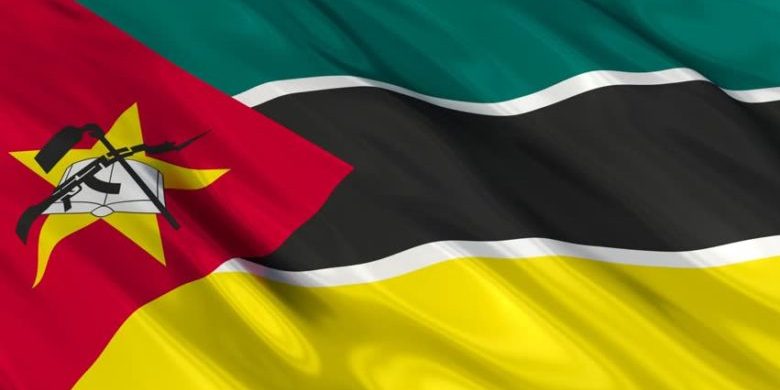
In April 2021, Mozambique’s human rights record will be assessed under the Universal Peer Review (UPR) process at the United Nations Human Rights Council. The assessment will need to shine a light on Mozambique’s record on online and offline rights to privacy, access to information, and free expression, which are increasingly under threat in the southern Afican country.

The UPR process offers all UN member states the opportunity to declare what actions they have taken to improve the human rights situation in their countries and to fulfil their human rights obligations. In the previous review, nine of the 227 recommendations made to Mozambique were related to freedom of expression, media freedom and access to information. In response, the Mozambican government supported six of the nine recommendations and by implication was to take steps and measures that aim to protect and promote the respective rights. However, various developments in the country make it imperative to reflect on recommendations made during Mozambique’s last UPR assessment, with a view to supporting the realisation of digital freedoms as part of the upcoming review.

Despite constitutional provisions for freedom of expression, freedom of the press and the right to information, in 2018 Mozambique introduced a draconian media law, Decree No. 40/2018. The legislation was revoked two years later in May 2020 following a Constitutional Court petition by six organisations – Media Institute of Southern Africa (MISA) Mozambique Chapter, Association of Journalistic Companies, National Forum of Community Radios, Centre for Public Integrity, Mozambican Bar Association and the Emergency Committee for the Protection of Fundamental Freedoms. The court declared that the decree was unconstitutional since it introduced prohibitive costs on the exercise of the journalism profession for foreign correspondents and local freelance journalists.

Mozambique is ranked 104 out of 180 countries in the 2020 World Press Freedom Index, which is a drop by one position from 2019. Journalists and media houses are threatened by an increasingly shrinking operating space. Indeed, the October 2019 general election was marred by attacks on the media, which included use of threatening messages through social media and SMS. Some journalists, especially in the northern part of the country, were intimidated while others were arrested, persecuted, detained and prosecuted.

More recently, the insurgency in Cabo Delgado and the Covid-19 State of Emergency have elicited state measures that threaten freedom of expression, opinion and the right to access information. Notably, the decree that instituted a state of emergency barred the media from transmitting Covid-19 information that is “contrary to official information”, arbitrarily restricting journalistic information and interfering with editorial independence.

There is some goodwill for openness by the government and increasing numbers of persons using the internet – yet Mozambique has a low score in internet affordability with women being most affected. As of 2018, only 20.8% of Mozambique’s population used the internet, while 26 in every 100 inhabitants had mobile broadband subscription. As of January 2019, the internet penetration rate  stood at 17%.

Amidst a narrowing civic space, there are some measures to improve cybersecurity yet, worryingly, the country has dropped on the Global Cybersecurity Index by 23 places. On individual privacy protections online, Mozambique is still without a data protection law. However towards the end of 2019, Mozambique revised its Penal Code, introducing provisions related to the invasion of privacy. The new Penal Code provisions outlawed the interception, recording, transmission or disclosure of online communications, including email, messages, audio-visual and social media content without consent.

To buttress the protection and enjoyment of digital rights, the Collaboration on International ICT Policy for East and Southern Africa (CIPESA), Small Media,  Fórum das Associações Moçambicanas das Pessoas com Deficiência (FAMOD) and the Associação de Cegos e Amblíopes de Moçambique have made a joint stakeholder submission on digital rights in Mozambique. The submission focuses on various developments in the country on freedom of expression and opinion, freedom of information and censorship of content, the right to equal access and opportunity, and the right to data protection and privacy on the internet. It draws experiences from Mozambique’s review of January 19, 2016.

Below are some of the recommendations made in the submission:

  1. Enhance capacity building efforts to enforce the right to information law, including encouraging proactive disclosure and compliance with timely responses to information requests.
  2. Repeal provisions of the Covid-19 Emergency Decree, which are contrary to national and international obligations on freedom of expression and access to information and promote open reporting and commentary on issues of public concern.
  3. Institute an independent body to investigate, hold accountable and deter security forces who repeatedly violate journalists’ rights, especially those covering elections and the insurrection in the North.
  4. Implement measures to promote inclusive access for marginalised and vulnerable groups including women, rural communities and persons with disabilities, with funding from the Universal Service Fund.
  5. Enact a data protection law, in line with international and regional standards through multi-stakeholder consultative processes.

See the full submission here.

Africa Digital Rights Fund (ADRF) Awards USD 138,000 to Initiatives Addressing the Covid-19 Digital Rights Fallout

By Ashnah Kalemera |

In its third round, the Africa Digital Rights Fund (ADRF) has awarded USD 138,000 to 11 initiatives responding to the digital rights fallout from the fight against the coronavirus disease (Covid-19). The grantees’ interventions span 22 African countries – the largest geographic footprint of the Fund yet – and address a range of issues including state surveillance, freedom of expression, data rights, repressive legislation, access to information, digital security and resilience.

The Unseen Eyes, Unheard Stories: Surveillance and Data Protection during COVID-19 project by a consortium consisting of ARTICLE 19 Eastern Africa, Kenya ICT Action Network (KICTANet) and Pollicy,   has been awarded a grant to review Covid-19 surveillance practices in Kenya and Uganda and adherence to data protection frameworks by government and private entities in the respective countries. The resulting report will inform a webinar, social media engagements and op-eds to promote awareness and understanding of privacy and data protection online. The consortium will also develop and disseminate two documentaries capturing personal experiences of individuals who were subjected to Covid-19 contact-tracing in the two countries.

Unlike Kenya and Uganda , Namibia does not have a data protection and privacy law. In a study to inform consultations on a data protection and privacy bill, the Internet Society (ISOC) Namibia Chapter has been awarded a grant to research the country’s data protection and privacy stance over the past five years, with a focus on Covid-19 regulations.

Still on data rights, the Financial Inclusion Forum will be supported to convene Ghana’s first Data Protection and Privacy Policy Conference as a platform for financial service providers, industry regulators, and government to discuss issues of data protection and privacy in the country’s digital financial services sector. The conference will also serve as an opportunity to synthesise and validate a draft policy model on regulating the collection and sharing of consumer data in the industry.

In a test of the robustness of access to information legislation in Botswana, Nigeria, and Uganda, a grant to EndCode will enable them to explore protocols  around access to critical information collected by governments in Covid-19 contact tracing databases. EndCode will use the research findings to develop an instructional video and poster series to promote awareness on the link between access to information and the right to health. This project aims to answer important questions relevant to the present pandemic context while also laying the foundation for future work and engagement with duty bearers on the right of access to information in public health contexts.

As part of its ADRF round two project on identity-driven hate speech, misinformation and harassment in African digital spaces during politically charged periods, Global Voices – Sub-Saharan Africa, Middle East and North Africa also explored native language content as advocacy and information sharing tools to combat the spread of Covid-19. Building on that and earlier work on Writing Toward Freedom: Politics and digital rights in Africa, Global Voices will use the new ADRF grant to investigate how governments attempt to control narratives around Covid-19 by favouring narratives that benefit their position or reputation amidst the pandemic and exploiting the pandemic to further clamp down on digital rights.

In this regard, Global Voices will train journalists from nine countries – Algeria, Ethiopia, Mozambique, Namibia, Nigeria, Tanzania, Tunisia, Uganda and Zimbabwe to investigate and report on the intersection of public health and digital rights – specifically how competing Covid-19 narratives flourished online and the ways in which African governments seized upon the pandemic to crack down on citizens’ rights online. The stories produced by the  journalists will be published in Arabic, English, French, Portuguese, Swahili and Yoruba and promoted on social media to raise awareness of digital rights and actual and potential manipulation by governments of narratives around the pandemic.

Similarly, a grant to Tunis-based Streaming HD SARL and ISS Centre will enable them explore the impact of Covid-19 emergency responses on the digital rights landscape in the Maghreb region. In a series of themed podcasts and articles, the project will document voices of local activists and expert testimonies on privacy and contact-tracing apps, mis/disinformation online, freedom of speech restrictions, hate speech and violence against women, information transparency and accessibility, cybercrime and inclusion in Mauritania, Morocco, Algeria, Tunisia, and Libya.

Why fund Covid-19 Digital Rights Initiatives?
The 2020 State of Internet Freedom in Africa report which investigated the measures implemented by governments in Africa in fighting the Covid-19 pandemic shows that the highhandedness with which the governments and their agencies enforced the different Covid-19 preventive measures, including the suspension of rights through emergency declarations and the gagging of critical voices calling for transparency and accountability in handling the pandemic has greatly affected digital rights on the continent. According to the report, prior to and during the pandemic period, several countries enacted retrogressive laws and implemented oppressive measures that served to strengthen the state’s repressive hand at the expense of citizens’ rights.

Covid-19 response measures have re-shaped the operations of civil society organisations across the continent. In some instances, organisations have rushed to adopt various technology tools in order to continue operations while working from home, leading to new security vulnerabilities. The Digital Security Alliance hosted by Defender Protection Initiative (DPI) will assess the digital security risk exposure of 50 Ugandan civil society organisations in their pursuit to adopt technology tools for business continuity. The multi-media assessment report aims to create a shared understanding of security risks associated with technology uptake and enhance the identification of gaps for secure technology use in remote working.

In Somalia, ADRF has previously supported Digital Shelter’s work to strengthen the digital resilience of women human rights defenders. These efforts will continue with support to the Women in Media Initiative Somalia (WIMISOM) to build the digital security skills and knowledge of 150 women journalists (print, broadcast and online) and women-led media organisations as a means of combating growing online threats against the female journalists and their sources.

Whereas countries in Francophone West Africa have recorded increasing digitalisation – further boosting human rights and participatory democracy –   a number of governments in the region have passed a series of laws targeting freedom of expression online. Indeed, the Media Foundation for West Africa (MFWA) has documented violations against journalists, media outlets, dissidents, bloggers, and human rights activists in West Africa for their online activities. This, according to MFWA, has led to “a rollback of the improvements in conditions for the safety of journalists, human rights defenders and citizens in the sub-region.”

With an ADRF grant, the Accra-based MFWA will conduct an analysis of recent internet and cyber-related laws in Benin, Burkina Faso, Niger, Mali, Mauritania, and Togo and highlight violations perpetrated against journalists, bloggers, activists, and human rights defenders based on these laws. The resultant policy paper and infographics will form the basis of evidenced-based advocacy for improving digital rights and freedom of expression in Francophone Africa.

Meanwhile, in November 2020 Malawi will undergo its third cycle of the Universal Periodic Review at the United Nations Human Rights Council, during which its mixed democratic credentials and digital rights record will likely feature prominently. Prevailing challenges include lack of an access to information law and limited access to the internet, which has left Malawians vulnerable to misinformation and disinformation. A recent joint civil society campaign which yielded positive policy actions – telecom companies reducing data rates – highlights the potential of coordinated civil society advocacy in influencing the country’s digital rights landscape. Accordingly, with an ADRF grant, the Centre for Human Rights and Rehabilitation (CHRR) will work to consolidate local civil society actions and voices regarding digital rights and coordinate joint strategies against regressive policy and legislative provisions.

Finally, the African Legal Think Tank on Women’s Rights has been awarded a grant to conduct an assessment on the role of the internet in fuelling the growth of human trafficking, including online recruitment and advertisement. With a focus on the Democratic Republic of Congo, The Gambia, and Mauritania, the assessment will feed into the development of a curriculum and a digital campaign targeted at survivors and networks working to combat human trafficking, with the aim of equipping them with tools to influence prevention and protection strategies.

The ADRF third round grantees brings to 33 the number of initiatives supported with a total sum of USD 355,000 since the Fund’s launch in April 2019.

Round One Round Two Round Three
Total Award Amount USD 65,000 USD 152,000 USD 138,000
Initiatives Supported 1.     Access for All
2.  African Human Rights Network (AHRN) Foundation
3. Burundi Youths Training Centre
4.  Centre for Human Rights, University of Pretoria
5.   Freedom of Expression Hub (FoE Hub)
6. Global Voices – Sub-Saharan Africa, Middle East and North Africa
7.  Internet Society (ISOC) Namibia Chapter
8.     Jonction
9. Kuza STEAM Generation (KsGEN) and Centre for Youth Empowerment and Leadership (CYEL)
10. YMCA Computer Training Centre and Digital Studio
1.   Action et Humanisme
2.    ADISI Cameroun
3.     African Feminism
4. CUTS- Centre for International Trade, Economics and Environment
5.     Digital Shelter
6.    Forum de Organizacoes de Pessoas com Deficiencia (Mozambique Disabled Persons Orgazations Forum)
7. Global Voices – Sub-Saharan Africa, Middle East and North Africa
8.     iWatch Africa
9.     Jamii Forums
10.  JP MEDIA and Sobanukirwa
11.  Mzalendo Trust
12.  Rudi International
13. Somaliland Journalists Association (SOLJA)
14. Zimbabwe Centre for Media and Information Literacy (ZCMIL) in collaboration with the National University of Science and Technology (NUST)
1.    African Legal Think Tank on Women’s Rights
2.  Centre for Human Rights and Rehabilitation (CHRR)
3.  Consortium consisting of Pollicy, Kenya ICT Action Network (KICTANet), and ARTICLE 19 Eastern Africa
4. Defenders Protection Initiative (DPI)
5.     EndCode Proprietary
6.     Financial Inclusion Forum
7. Global Voices – Sub-Saharan Africa, Middle East and North Africa
8. Internet Society (ISOC) Namibia Chapter
9.  Media Foundation for West Africa (MFWA)
10.  Streaming HD SARL and ISS Center
11.  Women In Media Initiative Somalia (WIMISOM)
Countries Covered 16 – Algeria, Burundi, Egypt, Ethiopia, Gambia, Mozambique, Namibia, Nigeria, Sierra Leone, Senegal, South Sudan, Tanzania, Tunisia, Uganda, Zambia, and Zimbabwe 18 – Algeria, Cameroon, Democratic Republic of Congo, Ethiopia, Ghana, Ivory Coast, Kenya, Malawi, Mozambique, Nigeria, Rwanda, Somalia, Somaliland, Sudan, Tanzania, Tunisia, Uganda, and Zimbabwe 22 – Algeria, Benin, Botswana, Burkina Faso, Democratic Republic of Congo, Ethiopia, The Gambia, Ghana, Kenya, Libya, Mali, Mauritania, Morocco, Mozambique, Namibia, Niger, Nigeria, Tanzania, Togo, Tunisia, Uganda, and Zimbabwe

The ADRF is an initiative of the Collaboration on International ICT Policy for East and Southern Africa (CIPESA) with support from the Ford Foundation, the Swedish International Development Cooperation Agency (Sida), the German Society for International Cooperation Agency (GIZ), and the Omidyar Network.