Championing Internet Freedom and Universal Periodic Review (UPR) at #FIFAfrica2019

By Sandra Acheng |
Due to the rise of internet usage, there is an increasing rate of abuse, threats, and attacks on the internet users’ which women usually fall prey to. The internet can lead to disruption and disinformation and this determines the intensifying need for defending digital human rights violations with a focus on freedom of expression, press freedom and digital rights. Human rights online is a topic that is often forgotten during discussions of human rights violations because the concept is still quite new without acknowledging the reality that human rights offline can translate online.  Many people usually face numerous human rights violations online but they are not even aware that their rights are being violated or where and who to report to in case this happens.
The growing rate of human rights violations online is a result of more people getting online and this greatly affects internet freedom.  Uganda experienced internet shutdowns by the government during elections in 2016 and this affected freedom of expression and online digital rights of users. Also, the introduction of Over the top (OTT) by the Ugandan Government last year in June 2018 has limited users from accessing and using the internet. The increased use of ICT has led to women facing abuse and violence more than ever for instance the growing rate of  Non Consensual distribution of images commonly done by intimate partner (NCII) commonly referred to as “Revenge Porn” is usually associated to morality and decency of women which violates their privacy, women’s rights as well as criminalizing and undermining women who exercise their right to sexual expression.
This year, Collaboration on International ICT Policy for East and Southern Africa (CIPESA) in partnership with Small Media convened a two days’ pre-event workshop on the 23rd and 24th September 2019 @FIFAfrica2019 at Ethiopian Sky Light Hotel for human rights defenders on UPR. It was an intense, interactive and fun training that gathered over 30 male and female participants from different African countries that are doing incredible work to champion freedom of expression, press freedom, and human rights online also known as digital rights to influence government and non-government actors in their country or others in defense of human rights. The two days’ workshop tackled;

  • Introduction to the Universal Periodic Review Advocacy Assembly
  • Making an Impact with the Universal Periodic Review

The understanding of UPR
The human rights system that previously existed was criticized for being selective (not all states, not all rights), non-collaborative, paralyzed by political games, therefore, the UPR came as a response to the Human Rights system because UPR is non-selective, collaborative and have no double standard. UPR is Universal Periodic Review and the first United Nations Human rights mechanism on Human rights online to create a more just world for everyone since it requires every UN member country to review, therefore, it gives entry to CSOs.
The UPR CYCLE
The universal periodic review happens every 4 to 5 years for 6 months. However, Countries have limited time to make recommendations.
How can internet freedom be championed in UPR?
Human rights review mechanism such as United Nations Universal Periodic Review provides a good opportunity to review human rights violations online among African countries and can be a good way of arguing that digital human rights are universal and hold African governments accountable on how they treat their citizens on this. Here are incredible ways internet freedom can be championed in UPR;

  • Building capacity of more human rights defenders and activists in African civil society organizations
  • Encourage collaborations at the national level; by bringing in new people during the periodic reviews of states doing the same work to get more people aware. Collaborations by group increase credibility because local NGOs collaborate with international bodies and togetherness is better.
  • Increase participation by involving different actors in CSO activism and human rights in different Africa civil society countries to lobby governments to submit recommendations.
  • Make UPR an expert mechanism because UPR is a political mechanism and it focuses on states which consider only national priorities.
  • Increase the time taken by each state to raise issues and make recommendations at Geneva because usually 50-100 states take the floor for 3-5 hours and make 4-5 recommendations which are limited time for each state to put the recommendations
  • Gather more activists and human rights defenders to convince African states to raise the issues of policy and laws during the UPR and take up recommendations made.
  • Showcase more research to make the UPR recommendations valuable.
  • Form a coalition in different African countries or states so that the group get accurate and real time information and participate in UPR which will give a sense of responsibility and commitment by different states to make submissions in time.

However, there are relevant tips or rules for advocacy of issues for considerations during the preparation of recommendations of a state under review;

  • The recommendation must be specific enough by mentioning specific laws and should be easy to follow up on the recommendations
  • It is good if the recommendations focus on only one issue.
  • It is better if the recommendations are action oriented.
  • Use Human rights language. Avoid languages that make the recommendations impossible.
  • Make the recommendations stronger by backing it up with references in your country for instance treaties or laws in your country.
  • Back up your recommendations from the African commission or other international bodies.
  • It is useful to put yourself in the shoe of the person you are trying to interest on your issues for instance on time.
  • Know your country very well in terms of internet freedom.
  • Prepare a statement of UPR for 2 weeks in about 10 countries.
  • It is good to make the presentation of recommendation a dialogue
  • It is always good to contact the person you are convincing before because they may not support your issues.
  • Note that not all diplomats are familiar with human rights online.
  • Pitch your idea.

There is need to build capacity, encourage collaborations and increase participation in Universal Periodic Review (UPR) process.

Building Capacity and Collaborations for Digital Rights Research in Africa

By CIPESA Staff Writer |

Evidence-based digital rights advocacy has become particularly crucial in Africa as a growing number of governments and powerful private actors continue to undermine citizens’ online rights through legal and extra-legal means. 

But as the need for internet policy advocacy that is informed by research grows, it is essential to increase the amount and depth of research originating from, and relevant to, Africa. Equally, it is necessary to expand beyond traditional research methods to include contemporary approaches such as network measurements, social network analysis, and data mining.

How then do we grow subject area expertise and capacity in conducting multi-disciplinary digital rights research among the digital rights researcher and practitioner communities? How can we build multi-sector and multi-country collaborations that produce actionable research results to inform advocacy and policy making?

These questions were at the centre of a Digital Rights Research Methods Workshop conducted on September 24, 2019 as one of the pre-events to the 2019 Forum on Internet Freedom in Africa (FIFAfrica19) in Addis Ababa, Ethiopia. The workshop was attended by 58 participants who included university lecturers, staff of international human rights organisations, digital rights researchers, activists, technologists and lawyers. 

It built on the foundations of a five-day intensive training on internet policy research methods co-organised with the Annenberg School for Communication’s Internet Policy Observatory in 2018, which aimed to train, connect, and build collaboration between researchers, activists, academics and internet freedom advocates, and brought together 40 participants from 17 countries.

Participants engaging with each other during the workshop | Picture by: Gilbert Bwette

Below are highlights from the Digital Rights Research Methods Workshop held at FIFAfrica19.

Qualitative Research Techniques and Data Practices for Human Rights Research 

This track explored the role and potential of qualitative methods and techniques when conducting research on human rights issues. While many techniques are available to researchers, qualitative methods can generate important insights into the social, cultural, and individual worlds of participants. 

In this session, Prof. Peter Fussey, a Director at the Centre for Research into Information, Surveillance and Privacy (CRISP) at the University of Essex, explained that while qualitative methods are varied, they largely adopt three broad approaches: qualitative interviewing, ethnographic method, and qualitative text analysis. 

While describing these methods in detail, Prof. Fussey – who is also a Research Director of the Human Rights, Big Data and Technology project – explained what constitutes robust and methodologically rigorous research. He provided examples of how such techniques have been used in many creative ways and have offered insights into issues such as how power is experienced and mediated in prisons, the lives of activists, social bonds among social movements, community perspectives of intensive policing, online behaviours, and occupational cultures among law enforcement officers.

Experiences in conducting digital rights research
In this session, Jimmy Kainja (University of Malawi), Raymond Onuoha (Lagos Business School), Richard Ngamita (data specialist), Victor Kapiyo and Paul Kimumwe (CIPESA), shared experiences in researching digital rights. They cited several challenges like data unavailability, low research funding, resistance to researching on “sensitive” topics like LGBTI rights, continued reliance on traditional research approaches, underutilisation of available digital data, difficulties in finding government  information online, and difficulty in finding the right collaborators.  

Left to Right: Paul Kimumwe, Jimmy Kainja, Richard Ngamita, Raymond Onuoha, Victor Kapiyo | Picture by: Gilbert Bwette

According to Kimumwe, there is a lack of a pool of researchers with the relevant skills to conduct digital research. “There is no specific training of researchers. There is a lot of learning on the job and this sometimes compromises on the quality of research outputs since some critical issues are ignored – like choosing the best possible method, sampling and ethical considerations,” he said.

Other challenges mentioned include poor dissemination of research results to relevant audiences including policy makers and human rights defender organisations; and failure to make research part and parcel of digital rights advocacy work. It was recommended that, wherever feasible, government officials and other stakeholders be included in the research design in order for the research results to  be used to influence these stakeholders. Also recommendation was nurturing collaborations involving academic institutions, research institutions and digital rights advocacy organisations; capacity building in fundraising for research; and developing an African open data ecosystem to enhance access to research data, data sharing, and data re-use.

Assessing Legal Frameworks Affecting Civic Space  

Track three of the workshop introduced participants to the concepts of civic space and international principles protecting association, assembly, and expression rights. During the session, Irene Petras and Florence Nakazibwe from the International Center for Non-Profit Law (ICNL), provided examples of how various types of legislation are used to restrict these rights in practice, including in the digital space; and shared strategies on how to raise civic awareness of legal frameworks and promote legal reforms to improve the enabling environment for civil society and the media.

It was noted that governments, including in Africa, are increasingly restricting civic space in different ways. While the restrictions have traditionally manifested through legislation aimed at regulating the operations of civil society organisations and mainstream media, new concerns such as countering money laundering and terrorism, regulating current and emerging digital technologies, and policing online activities have widened the menu of laws, policies and administrative practices that can negatively affect civic space.

Accordingly, noted Petras and Nakazibwe, greater efforts are needed to ensure effective and progressive international and continental legal standards and protective mechanisms, and to widen the network of state and non-state actors who can advocate for positive reforms.

The Internet Measurements Laboratory

The growing internet user numbers in Africa make it prudent to understand the structure and behaviour of the internet. This is important given the rising incidents of malicious attacks (and the sophistication of methods and tools used) as well as the increase in cases of internet censorship and network disruptions (with little transparency by censoring states and telecom companies about their actions). 

The Laboratory was led by Alp Toker and Isik Mater of Netblocks. In the first part they took participants through why measurement evidence-based approaches to internet rights advocacy are critical, what impact they are having, how the latest tools can be used and coordinated by technical and civil society stakeholders, and how data can be integrated as evidence in legal and policy-making contexts. The second half featured real-time visualisations exploring various countries’ current and historic internet data readings, and future directions for network measurements. 

Measuring the occurrence of internet censorship and identifying techniques employed is instrumental to scientifically documenting the phenomenon, understanding its effects, raising the awareness of users and building response mechanisms. The aim of the Internet Measurement Laboratory was to get more African actors, notably those that work on internet freedom issues, involved in conducting regular, multi-methods internet measurements.

The Laboratory was also expected to help generate closer linkages between measurement organisations and internet freedom researchers, advocates and activists; and offer practical knowledge on how to utilise measurement data from entities so as to generate research insights to improve understanding of the technological ways through which internet disruptions have been implemented over time and in various countries, and to build responsive response mechanisms and advocacy campaigns.

According to 2018 research by the African Network Information Centre (Afrinic), there are very few measurement campaigns in Africa and they tend to have challenges of generating high fidelity data. Moreover, there is widespread lack of awareness and skills on internet measurements, which creates a need for increasing research collaborations between groups that conduct measurements, and those that need measurement results for research and advocacy purposes.

Way forward

There was consensus in the workshop on the need to build reciprocal relationships across disciplinary silos, as well as collaborative networks that include researchers and practitioners based in different regions, including in the global North and South. Continued research methods training, including in techniques such as text analysis, data mining, and network measurements, was reiterated. Capacity development to conduct research, advocacy and policy influencing on emerging issues such as biometrics processing and artificial intelligence was also cited. 

“This workshop has helped us to appreciate more the gaps and challenges in digital rights research methods in our region. As researchers and practitioners, we need to keep abreast with the fast developments in the digital world. What are the new surveillance methods? How do AI and biometrics processing affect digital rights, and how do we robustly research these issues? The workshop brought together an incredible mix of stakeholders and illuminated ways for collaboration to conduct relevant and impactful research whose results can power advocacy and influence policy in multiple jurisdictions.” Dr Wairagala Wakabi, CIPESA Executive Director

Further, it was agreed that entities that have research skills start to offer support to others, in research design and implementation; and that they pursue joint research and be available to conduct peer review of others’ research. It was also proposed that digital rights researchers and practitioners should forge closer links with the private sector to produce credible analysis on policies and practices affecting tech use and digital rights.

FIFAFRICA19: The Sessions, The Lessons, and Takeaways

By Hilda Nyakwaka |
The Forum on Internet Freedom in Africa event this year was hosted in Addis Ababa between 23rd and 26th September. This event was considered monumental because a few months prior, there were internet shutdownsand this was a testament to the progressive strides Ethiopia was making in creating an open and accessible internet for its citizens.
The first two days of the week were dedicated to a training on the Universal Periodic Review (UPR) hosted by Small Mediaand Data4Changeand with representatives from over 10 African countries.The UPR, an innovation by the UN Human Rights Council, is a periodic review of the human rights records by the 193 member states of the UN (UPR). The main purpose of this training was to see how to champion for digital rights at the coming UPR.
Over these two days participants went over different concepts such as the importance of making recommendations to countries through the UN in an effort to improve the digital space, how to build capacity for recommendation-making processes, how to increase participation in the UPR process and how to foster collaborations between participants from different countries.
Some common concerns that the participants shared about the previous UPR cycles included the focus of civil society organisations on report writing as opposed to lobbying, lack of accessibility to stakeholder reports by diplomats and other concerned citizens and the lack of focus on digital rights and other human rights when making recommendations.
Some of the key takeaways were the toolsbuilt by Data4Change to guide interested parties in creating advocacy strategy plans. These tools help users to not only see what recommendations have been made to their countries of interest, but to also discover and fill the gaps in the recommendations made and which countries would be important to partner with. During this session, all participants were able to make and rate each other’s recommendations to their individual countries with specific attention to digital rights.
There was also a general agreement to increase local stakeholder mobilization, awareness workshops, jointly documenting abuse of digital rights so as to have greater impact and lastly to properly document all our work. At the end of the training, we were all awarded certificates of completion for attending the trainings and completing online courses pertaining to the UPR process.
The next two days marked the official start of the forum, which was open to everyone who had registered to attend. There were several panel sessions occurring simultaneously focusing on different internet issues across Africa. The opening panel was attended by H.E Dr. Getahun Mekuria, the Minister of Information and Technology in Ethiopia who reiterated the government’s plans to liberalize the telecommunications industry in Ethiopia and to reduce cases of shutdowns in a move to increase and improve the citizens’ access to the internet.
Sessions that I was particularly interested in narrowed, their focus to how marginalized and targeted communities interact with technology and some of the solutions they have adapted to their situations.
One such session was on the importance of African feminist movements in improving women’s voices in the digital space as moderated by Rosebell Kagumire, an award-winning blogger and Pan-African feminist . In this session, feminists from across the continent reiterated the ways in which offline patriarchal systems were replicated online against women. One point that resonated with most attendees was that women were still being policed and bullied out of a lot of social apps such as Twitter and most women preferred to be invisible. Cases were brought up on how hypervisible women were facing a lot of challenges.
In addition to this, there was also a celebratory moment when the panelists mentioned some of the movements that succeeded in championing for women’s rights both offline and online some as big and visible as the #TotalShutdownKE that fought against femicide in Kenya and the revolution in Sudan that had women at its forefront and which gained support from across the world. A major gap that was identified in this conversation was the need for building more local movements and having inclusivity within the movement to include women from the LGBTQI community as their online experiences were unidentified despite being equally important.
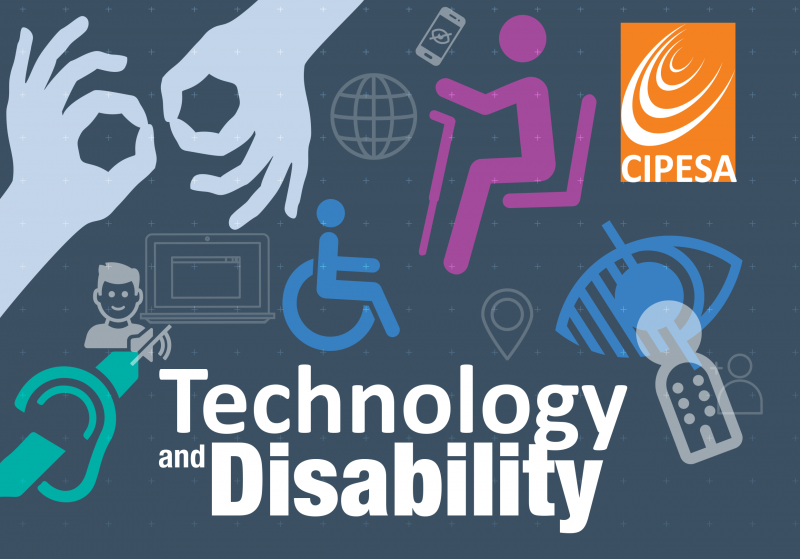
Another key session was held on technology and disability where persons living with disabilities spoke about how to use ICTs to reduce accessibility barriers. Some of the challenges the panelists included insufficient ICT training, lack of accessibility features on even the most basic layouts of sites and apps, affordability of devices with accessibility features as one of the panelists cited that a mobile phone with accessibility features would cost one $800 which most Africans both abled and disabled cannot afford comfortably.
An Ethiopian Case Studywas used to explain just how crucial and important it was to provide holistic education and inclusive support to people living with disabilities within our communities. Some of the solutions that the panelists offered up to improve accessibility included proper policy implementation and strict punitive measures for those who failed to implement any policies, being intentional by teaching about accessibility features right from software development classes at the college level and putting a cap to funding that requires companies and organizations to provide opportunities for and hire people living with disabilities in their firms and provide ample accessibility features before receiving full funding. There was also a call to create awareness campaigns to make citizens aware of the challenges that a large section of our communities experience and how to develop protection mechanisms for them.
In conclusion, FIFAfrica 19 was a great opportunity to share experiences and solutions to challenges we as Africans seem to be experiencing when it comes to digital rights and internet freedom. In case you weren’t able to join us in Addis for this edition of FIFAfrica, find herethe agenda for the forum, somelive tweets from the event and the report on the State of Internet Freedom in Africaby CIPESA, launched at the forum.

Working Towards Universal Internet Access and Digital Equality in South Africa

By Izak Minnaar |

“All South Africans – and especially those who cannot afford it and other vulnerable groups – need a daily first tranche of free internet access to exercise their basic human rights such as access to government services, participating in the digital economy, looking for jobs, online communication and for learners and students to access online educational resources.  This is the only way to achieve universal access to information and digital equality amongst our citizens, including the rural poor who have access to mobile phones.”

This is the call made by the South African online and media industry bodies, the South African National Editors’ Forum (SANEF), the Interactive Advertising Bureau South Africa (IABSA) and Media Monitoring Africa (MMA), with the support of the Association for Progressive Communications (APC), an international network of human rights organisations and advocacy groups for access to information.
At the 2019 International Day for Universal Access to Information (IDUAI) commemoration in Pretoria, they expressed the need for a national effort to coordinate existing legislation, policies and initiatives to provide citizens with a basic level of universal free internet access, coinciding with the launch of a report titled Universal Access to the Internet and Free Public Access in South Africa.
The group noted that while the South African government has made domestic and international commitments to take steps towards achieving universal access to online information, these commitments cannot be achieved without providing for a level of free access, in particular for disadvantaged and marginalised groups who would otherwise not be able to enjoy internet access.
The report proposes a seven-point plan which will assist the government with proposals to take steps towards progressively realising a basic level of universal free access to online information, both within the government itself and through engagements with private entities and other stakeholders.
The proposed plan endeavours to provide a comprehensive approach to universal and free internet access, from the gradual introduction of free municipal wifi as a basic service and access at other government sites, underpinned by a set of standards for free access, to digital literacy programmes.  Full details of these proposals are captured in the report.
The universal internet access proposals are part of a three pronged approach to achieve the objectives as set out in the SA Promotion of Access to Information Act (2000), to “actively promote a society in which the people of South Africa have effective access to information to enable them to more fully exercise and protect all of their rights”
First, it must be made easier for citizens to use the Promotion of Access to Information Act (PAIA) to access information. A major improvement in the law will be to make provision for pro-active disclosure of information, as prescribed by the African Model Law on Access to Information, published by the African Commission on Human and Peoples’ Rights in 2013.  A major review and update of PAIA is required, beyond the current process to add clauses on party funding.
The second issue – and a logical consequence of pro-active disclosure – is for information holders and access to information activists to vigorously pursue the open data and open government agenda. As a founder member of the United Nations initiated Open Government Partnership (OGP), the South African government has already made ambitious commitments to establish open data portals, with projects ranging from Open Justice, Open Budget (such as the Vulekamali and Municipal Money data portals) and Open Elections, all of which are in different stages of implementation.  However, South Africa still needs to deliver on a number of commitments made in its OGP National Action Plan.
With all this information available online, the third requirement to ensure “effective access to information” as PAIA requires, is to provide universal access to the internet.   In 2016 the African Commission on Human and People’s Rights called on African governments to take legislative and other measures “to guarantee, respect and protect citizen’s right to freedom of information and expression through access to internet services”.
A 2017 APC Issue Paper initiated by the same group of online and media organisations, titled Perspectives on Universal Free Access to Online Information in South Africa: Free Public Wifi and Zero-Rated Content lists South African legislation and polices dealing with  the need for citizens to have the means, capacity and skills to fully participate in a digitally driven democracy and economy, in line with the vision expressed in the National Development Plan of universal access to the internet and an e-literate public.
The seven-point plan is an effort by the online and media industry bodies to provide government and industry with practical plans to implement the existing legislation and policies.
This presentation provides an overview of the seven-point plan and was shared at the Forum on Internet Freedom in Africa 2019 (FIFAfrica19) which was held in Addis Ababa, Ethiopia.

Report: African Countries Broadening Control Over the Internet

By FIFAfrica19 |
For the last 20 years, African countries have been broadening and enhancing control measures that govern the use of digital communications including the internet.
According to a new report by the Collaboration for International ICT Policy for East and Southern Africa (CIPESA), these controls when viewed collectively, continue to undermine democracy and cement authoritarians hold on political power.
With only 24.4% of Africans using the internet, increasingly, the countries reviewed have since 1999 adopted a similar pattern of internet control measures across the board. The key reasons given by governments are the need to safeguard national security, fight cybercrime and maintain public order.
Each successive period since 1999 came with some notable developments in internet controls, including establishment of regulatory agencies. By 2005, a few regional countries were beginning to realise the need to intercept communications, including digital communications.
Ethiopia was probably the first sub-Saharan African country to begin blocking internet sites, with the first reports of blocked websites appearing in May 2006 when opposition blogs were unavailable. During this period, laws governing media and journalism were the main way to control freedom of expression, including of voices that questioned government actions.
Between 2006 and 2010, several governments started to take dedicated moves to regulate the digital sphere, including proscribing various actions related to the use of Information Communication Technology (ICT). There was a flurry of legislation to enable the interception of communications, or to criminalise the use of certain services (as was the case with Ethiopia’s Anti-Terrorism Proclamation- No 652/2009, under which it is estimated that over 900 individuals were indicted over their online activity).
This period also witnessed numerous cases of blockage of critical websites in countries such as Burundi and Uganda. Distinctly, this period saw the start of systematic disruption of communications and other internet freedom infringements during election periods, although the target was critical websites (such as in Ethiopia and Uganda) and short messaging services, for instance in Ethiopia and Kenya).
The 2011-2015 period saw an increase in the government internet control measures with dedicated efforts to regulate and control citizens’ online actions. Many more citizens were arrested and prosecuted over alleged offences and crimes committed through online mediums. More governments ordered disruptions to communications.
Cybercrime laws enacted in this period (for example in Nigeria, Tanzania, and Uganda) became the main pieces of legislation used to undermine internet freedom through arrests and prosecution of ICT users. These laws provide vague definitions of cyber offenses and have been used to arrest and intimidate voices of dissent.
The 2016-2019 period was the “golden era” of network disruptions (commonly known as internet shutdowns). During this period, nearly half the countries in Africa, at least 22 countries experienced a government-ordered network disruption, with popular social media sites such as Facebook and Twitter being the main target. Some countries also ordered blockage of SMS, or of the entire internet, and in Uganda, Chad and DRC, mobile money services were disrupted. In 2019 alone, five countries registered network disruptions to include – Chad, Democratic Republic of Congo, Gabon, Sudan and Zimbabwe).
The report recommends several remedies for governments, companies, media, academia, technical community and civil society.
Find the full report here.