
By Lu-Hai Liang |
Study warns that expanding digital ID and public service systems could deepen exclusion without stronger governance and human rights safeguards.
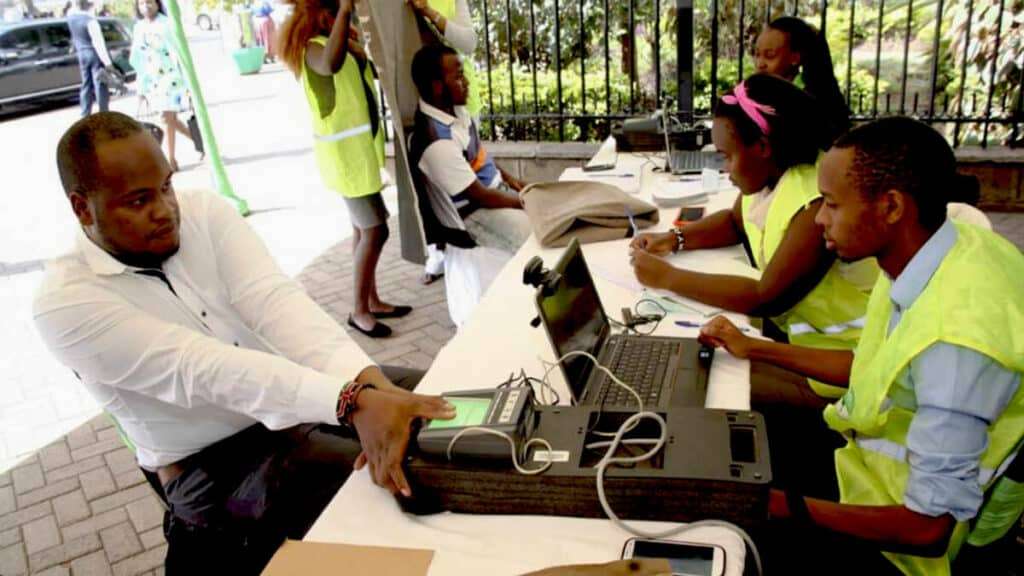
A new report from CIPESA (Collaboration on International ICT Policy for East and Southern Africa) finds that the expansion of digital public infrastructure (DPI) systems across 11 African countries could have significant implications for human rights, democratic governance and civic participation.
The State of Internet Freedom in Africa 2026 report examines DPI developments in Egypt, Ethiopia, Ghana, Kenya, Nigeria, Senegal, South Africa, Tunisia, Uganda, Zambia and Zimbabwe. Governments across the continent are investing heavily in digital identity, payment and data-sharing systems to modernize public services and drive digital transformation.
But the report argues that insufficient attention has been paid to the governance and human rights implications of these systems. It calls for stronger rights-respecting frameworks before DPI becomes further entrenched in public administration and everyday life.
“Foundational credentials such as mandatory gateways and access to essential public and private services are increasingly facing flaws in architectural design and utility, technical failures, and inaccurate records,” the report claims in its conclusion.
The result is often widespread exclusion of vulnerable groups, according to the report, particularly affecting people with limited digital skills, poor connectivity or difficulties accessing civil registration systems which include rural communities, women, children and the elderly.
The report lists an extensive number of recommendations that can offset such problems. The recommendations include establishing robust governance such as rights-respecting national policies and laws, along with investment in complementary infrastructure to foster connectivity and capacity enhancement.
It recommends replacing coverage-only targets with disaggregated meaningful-connectivity and service-completion indicators; stopping internet shutdowns and other blanket connectivity restrictions as tools of political or security management, among other suggestions. The full State of Internet Freedom in Africa 2026 report can be read here.
The report was launched at the closing ceremony of the Forum on Internet Freedom in Africa (FIFAfrica26) held in Mauritius. Mauritius’ Minister of Information and Communication Technology, Dr Avinash Ramtoh, described DPI as “a critical infrastructure in any forward-looking country” and stressed the need to ensure digital systems are inclusive, accessible and rights-respecting.
The report’s release marked the conclusion of FIFAfrica26, a four-day gathering that brought together policymakers, researchers, civil society organizations, journalists, technologists, activists and development partners from across Africa and beyond. Discussions focused on issues including AI, data governance, platform accountability, digital inclusion and security, and civic participation. A recurring message was that technology is inseparable from society and that decisions about the design, governance and use of digital systems have profound consequences for rights, participation and power.
As Africa’s digital transformation accelerates, the report argues that these questions will become increasingly important in shaping how citizens access services, engage with governments and exercise their rights in the years ahead.
This article was originally posted by Biometric Update.Com on October 13, 2026.