What Does Meta’s About-Turn on Content Moderation Bode for Africa?

By CIPESA Writer |

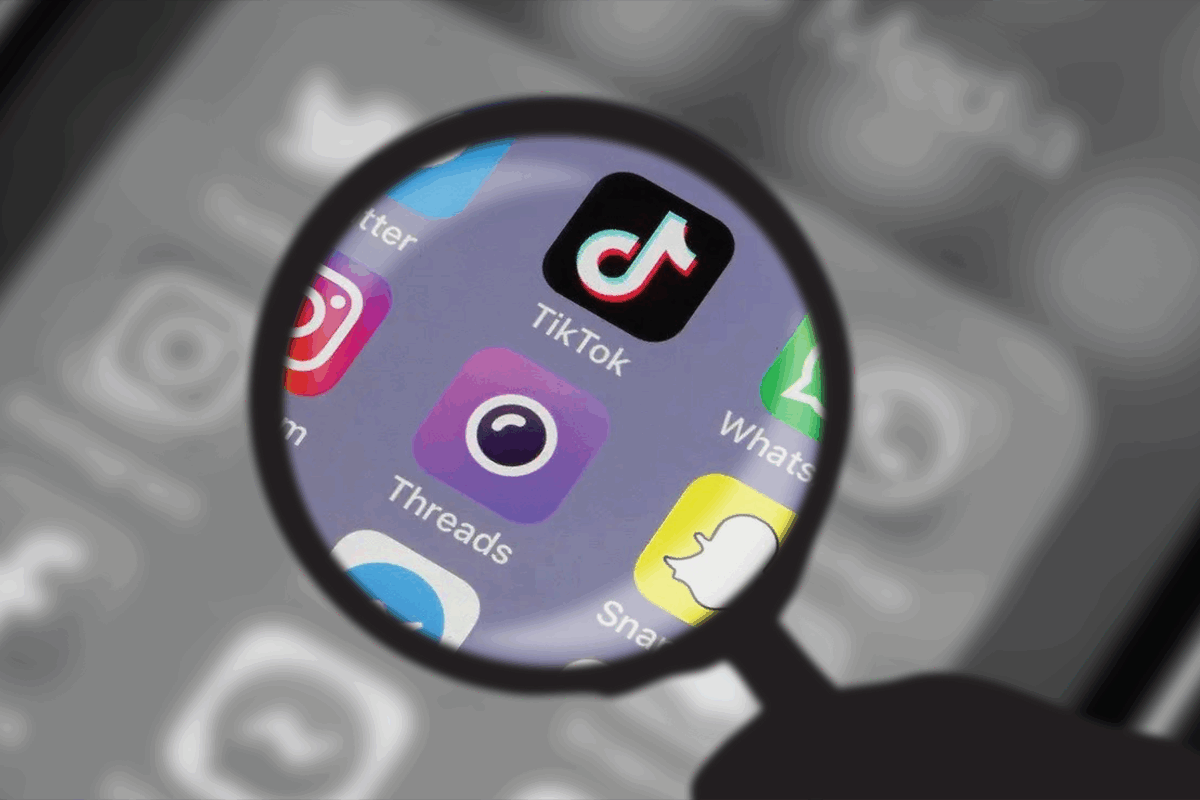
Meta’s recent decision to get rid of its third-party fact-checkers, starting within the United States, has sent shockwaves globally, raising significant concerns about the concept of free speech and the fight against disinformation and misinformation. The announcement was part of a raft of major policy changes announced on January 7, 2025 by Meta’s CEO Mark Zuckerberg that will affect its platforms Facebook, Instagram and Threads used by three billion people worldwide. They include the introduction of the user-generated “Community Notes” model, elimination of third-party fact-checkers, reduced content restrictions and enforcement, and enabling the personalisation of civic or political content.

While the announcement makes no reference to Africa, the changes will trickle down to the continent. Meta’s decision is particularly concerning for Africa which is unique in terms of linguistic and cultural diversity, limited digital and media information literacy, coupled with the growing challenges of hate speech and election-related disinformation, lack of context-specific content moderation policies, and inadequate investment in local fact-checking initiatives.

Africa’s content moderation context and needs are also quite different from those of Europe or North America due to the predominant use of local languages that are often overlooked by automated fact-checking algorithms and content filters.

Notably, the justifications given by Meta are quite weak, as the new changes appear to undermine its own initiatives to promote free speech, particularly the work of its third-party fact-checking program and the Oversight Board, which it set up to help resolve some of the most difficult questions around freedom of expression online and information integrity. The decision also appears to be politically and economically motivated as the company seeks to re-align itself with and appease the incoming Trump administration that has been critical against fact-checking and get assistance in pushing back against regulation of its activities outside the U.S.

The company also amended its policy on Hateful Conduct on January 7, 2025, and replaced the term “hate speech” with “hateful conduct” and eliminated previous thresholds for taking down hate content and will allow more hateful speech against specific groups. Further, whereas the company is moving its Trust and Safety and Content Moderation Teams to Texas, it is yet to set up such robust teams for Africa.

Importance of Fact-Checking

Fact-checking plays a critical role in combating disinformation and misinformation and fostering informed public discourse. By verifying the accuracy of online content, fact-checkers help to identify unauthentic content and counter the spread of false narratives that can incite violence, undermine trust in institutions, or distort democratic processes.

Additionally, it promotes accountability and reduces the virality of misleading content, particularly during sensitive periods, such as elections, political unrest, public health crises, or conflict situations, where accurate and credible information is crucial for decision-making. Moreover, fact-checking fosters media literacy by encouraging audiences to critically evaluate information sources.

Fact-checking organisations such as Politifact have criticised the assertions by the Meta CEO that fact-checkers were “too politically biased” and had “destroyed more trust than they had created, especially in the U.S.”, yet decisions and power to take down content have been squarely Meta’s responsibility, with fact-checkers only providing independent review of posts. The Meta assertions also undermine the work of independent media outlets and civil society who have been accused by authoritarian regimes of being corrupt political actors.

 However, fact-checking is not without its challenges and downsides. The process can inadvertently suppress free expression, especially in contexts where the line between disinformation and legitimate dissent is blurred. In Africa, where cultural and linguistic diversity is vast, and resources for local-language moderation are limited, fact-checking algorithms or teams may misinterpret context, leading to unjust content removal or amplification of bias. Furthermore, fact-checking initiatives can become tools for censorship if not governed transparently, particularly in authoritarian settings.

Despite these challenges, the benefits of fact-checking far outweigh their challenges. Instead of getting rid of fact-checking, Meta and other big tech companies should strengthen its implementation by providing enough resources to both recruit, train and provide psycho-social services to fact-checkers.

Impact of the Decision for Africa
  1. Increase of Disinformation

Africa faces a distinct set of challenges that make effective content moderation and fact-checking particularly crucial. Disinformation and misinformation in Africa have had far-reaching consequences, from disrupting electoral processes and influencing the choice of candidates by unsuspecting voters to jeopardising public health. Disinformation during elections has fueled violence, while health-related misinformation during health crises, such as during the Covid-19 pandemic, endangered lives by undermining public health efforts. False claims about the virus, vaccines, or cures led to vaccine hesitancy, resistance to public health measures like mask mandates, and the proliferation of harmful treatments. This eroded trust in health institutions, slowed down pandemic response efforts, and contributed to preventable illnesses and deaths, disproportionately affecting vulnerable populations.

The absence of fact-checking exacerbates the existing challenges of context insensitivity, as automated systems and under-resourced moderation teams fail to address the nuances of African content. The introduction of the user-driven Community Notes, which is similar to the model used on X, will still require experts’ input, especially in a region where many governments are authoritarian. Yet, media and information literacy and access to credible and reliable information is limited, and Meta’s platforms are primary ways to access independent news and information.

Research on the use of Community Notes on X has shown that the model has limited effectiveness in reducing the spread of disinformation, as it “might be too slow to intervene in the early (and most viral stages of the diffusion”, which is the most critical. The move also undermines efforts by civil society and fact-checking organisations in the region who have been working tirelessly to combat the spread of harmful content online.

  1. Political Manipulation and Increased Malign Influence

Dialing down on moderation and oversight may empower political actors who wish to manipulate public opinion through disinformation campaigns resulting in the surge of such activities. Given that social media has been instrumental in mobilising political movements across Africa, the lack of robust content moderation and fact-checking could hinder democratic processes and amplify extremist views and propaganda. Research has shown an apparent link between disinformation and political instability in Africa.

Unchecked false narratives not only mislead voters, but also distort public discourse and diminish public trust in key governance and electoral institutions. Authoritarian regimes may also use it to undermine dissent. Moreover, the relaxation of content restrictions on sensitive and politically divisive topics like immigration and gender could open floodgates for targeted hate speech, incitement and discrimination which could exacerbate gender disinformation, ethnic and political tensions. Likewise, weak oversight may enable foreign/external actors to manipulate elections.

  1. Regulatory and Enforcement Gaps

The effect of Meta easing restrictions on moderation of sensitive topics and reduced oversight of content could lead to an increase of harmful content on their platforms. Already, various African countries have  weak regulatory frameworks for harmful content and thus rely on companies like Meta to self-regulate effectively. Meta’s decision could spur efforts by some African governments to introduce new and more repressive laws to restrict certain types of content and hold platforms accountable for their actions. As our research has shown, such laws could be abused and employed to suppress dissent and curtail online freedoms such as expression, assembly, and association as well as access to information, creating an even more precarious environment.

  1. Limited Engagement with Local Actors

Meta’s decision to abandon fact-checking raises critical concerns for Africa, coming after the tech giant’s January 2023 decision to sever ties with their East African content moderation contractor, Sama, based out of Nairobi, Kenya, that was responsible for content moderation in the region. The Sama-operated hub announced its exit from content moderation services to focus on data annotation tasks, citing the prevailing economic climate as a reason for streamlining operations. Additionally, the Nairobi hub faced legal and ethical challenges, including allegations of poor working conditions, inadequate mental health support for moderators exposed to graphic content, and unfair labour practices. These issues led to lawsuits against both Sama and Meta, intensifying scrutiny of their practices.

Meanwhile, fact-checking partnerships with local organisations have played a crucial role in addressing disinformation, and their elimination erodes trust in Meta’s commitment to advancing information integrity in the region. Meta has fact-checking arrangements with various companies across 119 countries, including 26 in Africa. Some of the companies in Africa include AFP, AFP – Coverage, AFP – Hub, Africa Check, Congo Check, Dubawa, Fatabyyano فتبين,  Les Observateurs de France 24 and PesaCheck. In the aftermath of Meta’s decision to sever ties with their East African third-party content moderators, Sama let go of about 200 employees.

Opportunities Amidst Challenges

While Meta’s decision to abandon fact-checking is a concerning development, it also presents an opportunity for African stakeholders to utilise regional instruments, such as the African Charter on Human and Peoples’ Rights and the Declaration of Principles on Freedom of Expression and Access to Information in Africa, to assert thought leadership and demand better practices from platforms. Engaging with Meta’s regional leadership and building coalitions with other civil society actors can amplify advocacy about the continent’s longstanding digital rights and disinformation concerns and demands for more transparency and accountability.

Due to the ongoing pushback against the recently announced changes, Meta should be more receptive to dialogue and recommendations to review and contextualise the new proposals. For Africa, Meta must address its shortcomings by urgently investing and strengthening localised content moderation in Africa. It must reinvest in fact-checking partnerships, particularly with African organisations that understand local contexts. These partnerships are essential for addressing misinformation in local languages and underserved regions.

The company must also improve its automated content moderation tools, including by developing tools that can handle African culture, languages and dialects, hire more qualified moderators with contextual knowledge, provide comprehensive training for them and expand its partnerships with local stakeholders. Moreover, the company must ensure meaningful transparency and accountability as many of its transparency and content enforcement reports lack critical information and disaggregated data about its actions in most African countries.

Lastly, both governments and civil society in Africa must invest in digital, media and information literacy which is essential to empower users to critically think about and evaluate online content. Meta should partner with local organisations to promote digital literacy initiatives and develop educational campaigns tailored to different regions and languages. This will help build resilience against misinformation and foster a more informed digital citizenry.

In conclusion, it remains to be seen how the new changes by Meta will be implemented in the U.S., and subsequently in Africa, and how the company will address the gaps left by fact-checkers and mitigate the risks and negative consequences stemming from its decision. Notably, while there is widespread acknowledgement that content moderation systems on social media platforms are broken, efforts to promote and protect rights to free expression and access to information online should be encouraged. However, these efforts should not come at the expense of user trust and safety, and information integrity.

Job Opportunity: CIPESA Seeks a Communications Officer

Call for Applications |

Job title:                                               Communications Officer

Deadline for applications:                 January 10, 2025

Location:                                              Can be Remote, or based at CIPESA office in Kampala, Uganda

Duration:                                             Two (2) Years

About CIPESA

The Collaboration on International ICT Policy for East and Southern Africa (CIPESA) works to defend and expand the digital civic space to enable the protection and promotion of human rights and to enhance innovation and sustainable development. With a focus on disparate actors, including the private sector, civil society, media, policymakers, and multinational institutions, our work aims to engender a free, open, and secure internet that advances rights, livelihoods, and democratic governance. CIPESA’s work responds to a shortage of information, research, resources, and actors consistently working at the nexus of technology, human rights, and society.

CIPESA is seeking a Communications Officer to help increase the visibility of our work in defending and expanding the digital civic space.

Job Summary:

This is an opportunity to work with CIPESA’s expanding team and network of collaborators, including the private sector, civil society, media, academia, policymakers, and multinational institutions. The Communications Officer will work collaboratively with the CIPESA team to create, implement, and oversee internal and external communications programmes that effectively engender a free, open, and secure internet that advances rights, livelihoods, and democratic governance.

Key Areas of Accountability Include:
  • Implement the CIPESA Communications Strategy, so as to increase brand awareness and recognition and to reach out to external stakeholders and respond to the needs of targeted audiences.
  • Document and communicate CIPESA’s work through powerful storytelling using various tools and platforms.
  • Manage communication tools to ensure that CIPESA partners and collaborators are kept informed and engaged and messages effectively and consistently describe CIPESA and its goals and activities.
  • Monitor and evaluate communication and advocacy activities.
  • Manage the production of CIPESA publications, including research reports, impact reports, policy briefs, annual reports and newsletters.
  • Work with CIPESA staff to draft, edit and refine press releases, talking points, blog posts, speeches, grant applications and other external communications.
  • Engage staff and key stakeholders in promoting CIPESA’s mission. This includes establishing rapport with them and ensuring visibility.
  • Oversee and grow the content of CIPESA’s website and other digital and social media resources.
  • Liaise with various media houses and content publishers for publicity and promotion as required.
  • Media monitoring and outreach to mainstream and technology-focused media.
  • Manage the communications related logistics and support for CIPESA events.
  • Oversee the maintenance of CIPESA’s contact database, events and publications calendar, and other communication tools.
  • Curate thematic news content for CIPESA’s platforms including reporting on the latest trends and developments in technology in the region.
  • Conducting other tasks as appropriate to support CIPESA’s mission.  
Qualifications and Experience:

This position is applicable to people with at least five years of relevant experience. An ideal candidate would demonstrate the following:

  • Undergraduate degree and/or equivalent experience in communications, public affairs, advocacy or journalism; and a demonstrated interest/knowledge related to one or more of these fields: human rights law or policy, technology policy, digital rights, social or development studies. Postgraduate qualifications are a distinct advantage.
  • Outstanding verbal and written communication skills — including strong writing and editing skills for different platforms (social media, blogs, campaign tool kits)  and varied external audiences.
  • Experience working with journalists or in the media.
  • Proficiency in creatively using  digital and social media, including multimedia content development and storytelling.
  • Confidence/experience in multi-stakeholder environments and differing cultural settings, and in working with diverse constituencies.
  • Exceptional project and time management, planning and organisational skills, resourcefulness and attention to detail.
  • Fluency in English is required, and proficiency in another language is an advantage.
  • Familiarity with Content Management Systems and creative software suites are an advantage.

Salary and Benefits: Salary will be commensurate with experience. CIPESA provides a benefits package that includes health care, provident fund, statutory pension and paid leave.

Standards of Professional Conduct: CIPESA staff and partners must adhere to the values and principles outlined in the Code of Conduct, and the Safeguarding against Sexual Exploitation and Abuse and Sexual Harassment (SEAH) Policy. In accordance with these, CIPESA operates and enforces policies on Beneficiary Protection from Exploitation and Abuse, Child Safeguarding, Harassment-Free Workplace, Fiscal Integrity, Anti-Retaliation, and several others.

To Apply: Please send your interest including a cover letter detailing why you think your skill set would be ideal for this position, along with a CV, the names and contact details of two referees and 2-3 writing/content samples in one PDF file to [email protected] with Application for Communications Officer in the email subject line.

ANALYSIS: Zambia’s Proposed Cyber Laws Facilitate Suppression of Civil Liberties

Zambia has published the Cyber Security Bill, 2024 and the Cyber Crimes Bill, 2024, which would repeal the Cyber Security and Cyber Crimes Act of 2021. These proposed laws’ objective of combating cyber crimes and promoting a safe and healthy digital society is welcome, as is the need for the country to strengthen its cyber security posture, including through legislation.

However, the current drafts of the laws not only miss the opportunity to cure some of the deficiencies in the 2021 cyber crimes law they are repealing but also introduce several, more regressive provisions.

In an analysis of the two Bills, the Collaboration on International ICT Policy for East and Southern Africa (CIPESA) and the Bloggers of Zambia, who also hosts the Zambia CSO Coalition on Digital Rights, point to the retrogressive and vague provisions in the two Bills, and offer recommendations that can render the proposed laws more robustly rights-respecting and effective in combating cyber crimes.

The bills have some progressive provisions, such as the separation of cybersecurity and cybercrime functions; the structured cybersecurity governance that includes the creation of dedicated bodies such as the Cyber Security Agency and the Cyber Incident Response Teams (CIRTs); and provision of a framework for mutual legal assistance and cooperation with foreign entities. The bills also introduce new offences in response to emerging cyberthreats, such as identity-related crimes, attacks on critical information infrastructure, cyber harassment, cyber terrorism, and “revenge pornography”.

However, the list of concerns is much longer, as detailed below:

  1. Weak Human Rights and procedural safeguards: The bills do not affirm adherence to regional and international human rights standards and obligations, such as privacy, freedom of expression, access to information, or due process. Also, enforcement measures lack comprehensive human rights and due process safeguards to ensure provisions and practices are proportionate, necessary, and pursue legitimate aims. 
  1. Potential for abuse of power: The bills provide law enforcement agencies significant discretion in applying their provisions, thereby increasing risks for political interference, unchecked surveillance and the widespread targeting of dissenters. These are aided by broad surveillance powers and ambiguous definitions of terms and offences, which create room for subjective interpretation and arbitrary application. These could be used to suppress freedom of expression and legitimate public discourse.
  1. Weak oversight and governance: There are limited independent or judicial review processes mandated for surveillance, data collection, or search and seizure activities. Further, the centralised control of the Cyber Security Agency and Central Monitoring and Co-ordination Centre (CMCC) and the absence of independent oversight mechanisms raise accountability concerns. Also, there is no clear separation of cybersecurity functions from the cybercrime-related functions between the two bills, which could lead to duplication and implementation challenges.
  2. Overly broad surveillance powers: Law enforcement is granted broad interception powers including real-time data collection and communication interception and extensive search-and-seizure powers. The provisions do not include clear limits or provide sufficient safeguards such as judicial oversight, proportionality, or transparency and accountability.
  1. Insufficient safeguards for privacy: The bills enable widespread surveillance and interception without clear provisions on data retention limits, purpose limitation, secure handling of intercepted data and oversight. This could allow for indefinite storage of data, increasing the risk of misuse or unauthorised access. Also, the absence of anonymity protections for whistleblowers, journalists, and researchers could criminalise legitimate anonymous or pseudonymous activities. The provisions limit privacy rights, and are in total disregard of the country’s Data Protection Act, 2021.

General Recommendations

  1. Provide adequate human rights and procedural safeguards: Incorporate a dedicated section affirming the bill’s compliance with Zambia’s constitutional and international human rights obligations. Further, align the bills with the Declaration of Principles on Freedom of Expression and Access to Information in Africa and the African Union Convention on Cybercrime and Personal Data Protection. In addition, conduct a Regulatory and Human Rights Impact Assessment and require periodic review of the bill’s implementation for potential human rights impacts.
  2. Strengthen oversight and governance mechanisms: Introduce mandatory independent judicial oversight, notification and documentation and annual reporting requirements on the use of powers under the bill, ensuring accountability and public trust. Establish independent oversight mechanisms for the Cybersecurity Agency, CMCC and surveillance practices. 

Review the structure and functioning of the newly established agencies vis-a-vis the roles of other agencies e.g. Office of the President, Ministry of ICT, Zambia Information Technology Authority (ZICTA), security agencies, among others, to enhance coordination and avoid duplication of roles and fragmentation. It is also important to have clear delineation of cybersecurity functions and cybercrime functions to avoid confusion or duplication of roles.

  1. Ensure proportionality: Many offences in the Cyber Crimes Bill criminalise minor or vague conduct without proportionality thresholds. Introduce proportionality clauses limiting criminalisation to significant harm, or graduated scales that enhance penalties based on severity, complexity and impact of offences on victims, critical infrastructure or organisations.
  2. Invest in capacity building: Provide a framework for training of law enforcement, prosecution and judiciary officials on applying the law proportionately, balancing enforcement with human rights protection.
  3. Ensure compliance with data protection laws: Ensure the bills align with the provisions of Zambia’s Data Protection Act, 2021, to protect individuals’ privacy rights.

The full analysis can be found here.

Human Rights Day: Here’s How African Countries Should Advance Digital Rights

By Edrine Wanyama and Patricia Ainembabazi |

As the world marks Human Rights Day 2024, themed Our Rights, Our Future, Right Now, we are reminded of the urgent need to advance and protect human rights in an increasingly digital world.  Today, CIPESA joins the world in commemorating Human Rights Day and reflecting on the immense opportunities that the digital age brings for the realisation of human rights. Indeed, this year’s theme emphasises the need for immediate actions to safeguard rights in the digital sphere for a just and equitable future.

Whereas human rights have traditionally been enjoyed in offline spaces, the digital landscape presents unprecedented opportunities for the enjoyment of a broad range of rights, including access to information, civic participation, and freedom of expression, assembly, and association. However, the potential of digital technology to catalyse the enjoyment of these rights has steadily been threatened by challenges such as internet shutdowns, regressive laws that enable governments to clamp down on the digital civic space, and the digital divide.

The threats to digital rights, democracy, and the rule of law in Africa are numerous. They are often the result of growing authoritarianism and repression, political instability, corruption, the breakdown of public institutions, gender disparities, and growing socio-economic inequalities. Below are key intervention areas to advance digital rights on the continent.

Combat Internet  Shutdowns and Internet Censorship  

Internet shutdowns are increasingly used as a tool to suppress dissent, stifle freedom of expression, restrict access to information and freedom of assembly and association. The #KeepItOn coalition documented at least 146 incidents of shutdowns in 37 countries in Africa between January 2016 and June 2023. These disruptions continue despite evidence that they harm individuals’ rights, are counterproductive for democracy, and have long lasting impacts on national economies and individuals’ livelihoods.

A separate survey of 53 African countries shows that, as of 2023, the majority (44) had restrictions on political media, 34 had implemented social media restrictions, two restricted VPN use and seven restricted the use of messaging and Voice Over IP applications.
Governments must commit to keeping the internet open and accessible, while telecom companies must uphold transparency and resist arbitrary shutdown orders. The African Union’s recent Resolution 580 by the African Commission on Human and Peoples’ Rights (ACHPR) should specifically guide governments in keeping the internet on, even during electoral periods.

Curb Unmitigated Surveillance  

The privacy of individuals while using digital technologies is critical to protecting freedom of expression, the right to privacy, assembly, and association. Unregulated surveillance practices threaten privacy and freedom of expression across Africa, often targeting journalists, activists, and political opponents. Governments must adopt robust data protection laws, ensure judicial oversight over surveillance, and implement transparency mechanisms to prevent abuse.  In many countries,  laws governing state surveillance have gaps that allow state institutions to target government critics or political opposition members by conducting surveillance without sufficient judicial, parliamentary, or other independent, transparent and accountable oversight. 

Through research and training, CIPESA has highlighted the dangers of mass surveillance and supported the development of data protection frameworks. Our work with National Human Rights Institutions in countries like Ethiopia has strengthened their capacity to monitor and address surveillance abuses. 

Combat Disinformation  

The proliferation of disinformation is detrimental to citizens’ fundamental rights, including freedom of expression, access to information, freedom of assembly and association and participation, especially in electoral democracy. It also means that many citizens lack access to impartial and diverse information. Disinformation undermines trust, polarises societies, and disrupts democratic processes. Combating disinformation requires governments, civil society, and private sector collaboration on fact-checking, media literacy campaigns, and rights-respecting regulations.  

Our extensive research on countering disinformation in Africa provides actionable recommendations for addressing this challenge. By partnering with media organisations, platforms, and fact-checking initiatives, CIPESA has promoted factual reporting and fought misinformation, particularly during elections.

Fight Technology-Facilitated Gender-Based Violence (TFGBV)

Online harassment and abuse disproportionately target women and marginalised groups, limiting their ability to engage freely in digital spaces. Governments, intermediaries, and civil society must collaborate to ensure safer online environments and provide support systems for victims. Also, African countries need clear laws against TFGBV, with attendant capacity development for the judiciary and law enforcers to implement those laws.

CIPESA continues to conduct workshops on addressing gender-based violence in digital spaces and supporting organisations working on these issues, equipping key actors with tools to report and counter this vice. Our advocacy efforts have also emphasised platform accountability and comprehensive anti-TFGBV policies. 

De-weaponize the Law  

The digital civic space and the emerging issues such as disinformation, misinformation, false news and national security and public order have created opportunities for authoritarian governments to weaponise laws in the name of efforts to curb “abuse” by citizens. Unfortunately, the laws are employed as repressive tools targeted at curtailing freedom of expression, access to information, assembly and association online. Indeed they have been employed to gag the spaces within which freedoms were enjoyed, and to silence critics and dissenters. Governments should embark on a clear reform agenda to repeal all draconian legislation and enact laws which are progressive and align with the established regional and international human rights standards. 

As part of CIPESA’s efforts to expose civic space wrongs and manipulations through publishing of policy briefs and legal analyses, we enjoin partners, collaborators and other tech sector players in amplifying voices that call for actions to expose the misuse of laws on information disorder, anti-cybercrime laws and other repressive legislation through evidence based advocacy that could fundamentally  influence successful challenge of unjust laws in courts, regional forums and  human rights enforcement mechanisms for galvanisation of success across the continent.  

Arrest the Digital Divide  

The digital divide remains a significant barrier to the enjoyment of rights and to inclusive citizen participation, with rural, underserved communities, and marginalised groups disproportionately affected. This divide excludes millions from accessing opportunities in education, healthcare, and economic participation. Common contributing factors include high internet usage costs, expensive digital devices, inadequate digital infrastructure and low digital literacy. Addressing this gap requires affordable internet, investment in rural connectivity, and digital literacy programmes.

CIPESA’s research sheds light on the main barriers to connectivity and affordability, including the effective use of Universal Service Funds. Promoting inclusive digital access, particularly for marginalised communities, requires collective action from governments and other tech sector players, calculated towards enabling equitable access to, and utilisation of digital tools.

Promote Multistakeholder Engagements  

The complexity of digital rights challenges necessitates continuous collaboration and building of partnerships amongst governments, civil society, and private sector actors. CIPESA has facilitated multistakeholder dialogues that bring together diverse actors to address digital rights concerns, including national dialogues and the annual Forum on Internet Freedom in Africa (FIFAfrica). These engagements have led to actionable commitments form governments, civil society and other tech sector players and strengthened partnerships for progressive reforms. 


Last Word

CIPESA reaffirms its commitment to advancing digital rights for all across Africa. However, the challenges to meaningful enjoyment of digital rights and the advancement of digital democracy are myriad. The solutions lie in concerted efforts by various actors, including governments, the private sector, and civil society, all of whom must act now to protect digital rights for a better human rights future . 

New Toolkit to Guide National Human Rights Institutions in Promoting Digital Rights

Edrine Wanyama |

In an increasingly digital world, safeguarding human rights requires innovative tools, robust mechanisms, and strategic collaboration. Recognising this need, the International Center for Not-for-Profit Law (ICNL), the Collaboration on International ICT Policy for East and Southern Africa (CIPESA), and Paradigm Initiative (PIN) have developed a groundbreaking Toolkit to strengthen the ability of National Human Rights Institutions (NHRIs) in Africa to protect and promote human rights in the digital era. 


While emphasising the role of NHRIs in both promoting and protecting these rights, the Toolkit demystifies digital rights by providing their relationship with the traditionally known rights and demonstrating how digital rights violations can occur. 

The digital transformation sweeping across the globe has created new opportunities for citizens to communicate, express themselves, and claim their various rights. However, it has also ushered in unprecedented challenges, including online censorship, surveillance, misinformation, and violations of privacy. These digital threats disproportionately affect marginalised communities, activists, and human rights defenders, making the role of NHRIs more critical than ever.

The Toolkit equips NHRIs with the knowledge, tools, and strategies they need to effectively address these challenges. It emphasises the intersection of human rights with digital technologies and provides actionable insights to promote accountability, transparency, and inclusivity in digital governance.

The Toolkit highlights the various forms of digital rights violations  such as internet shutdowns, throttling, and blocking; content restrictions including filtering and takedown orders, onerous obligations on intermediaries, restrictive content moderation policies, and the widespread and unchecked digital surveillance.  

Among the roles that NHRIs should play are providing technical advice to government ministries, legislators, the judiciary, and other stakeholders to shape progressive laws, designing digital literacy curricula, and capacity and awareness building of the relevant institutions and stakeholders. Others are research on the impact of digital technologies, application of regional and international human rights approaches, and oversight over public sector procurement of digital technologies.

How NHRIs Can Protect Digital Rights

In the context of digital rights, NHRIs may:

  • Monitor proposed legislation with respect to its impact on digital rights and submit recommendations on how to ensure human rights compliance. 
  • Incorporate digital rights topics, such as online privacy rights violations and incidents of government ordered network disruptions, into annual reporting and submissions to UN mandate holders and the Universal Periodic Review (UPR) and other regional and international human rights monitoring processes. 
  • Connect with domestic and regional digital rights organisations to coordinate efforts to address digital rights violations.
  • Revise existing intake material to systematically receive complaints of digital rights violations
  • Ensure internal policies and methodologies for investigating, analysing, and reporting take into consideration the types of information, data, and tools needed to address digital rights violations
  • When supporting complainants and victims, provide resources and referrals for digital security best practices and capacity building so they can better protect themselves as they seek redress
  • Investigate digital rights violations and call for the necessary measures to end them and ensure non-recurrence.

The Toolkit also underscores the need for NHRIs to build their internal capacities to report and respond to digital rights violations, reporting and monitoring the implementation of laws, coordinating digital rights issues with regional and international institutions, and investigating digital rights violations to ensure that violations stop and justice is served. 

The Toolkit is an important resource that can be utilised to equip various stakeholders with knowledge to respond to emerging digital rights challenges and to identify viable solutions, such as monitoring, documenting and reporting, to enhance the promotion and protection of digital rights. As such, it could go a long way in helping to address common digital rights violations and leveraging resources and partnerships for the protection and promotion of digital rights in Africa.