ICT4Democracy in East Africa: Promoting Democracy and Human Rights Through ICTs

Established in 2011, ICT4Democracy in East Africa is a network of organisations working to promote democracy and human rights through Information and Communication Technologies (ICTs) in Kenya, Uganda and Tanzania. Across the three countries, partners are leveraging on mobile short message service (SMS), toll free call centre, FM radio, social media, crowd sourcing platforms and direct community engagement to implement projects that tackle issues such as corruption, service delivery, respect for human rights, freedom of expression and access to information.
The projects are driven by the shared vision of the immense potential that ICTs have in increasing citizens’ participation in decision-making processes and strengthening democratisation.
The partner organisations are: the Collaboration on International ICT Policy for East and Southern Africa (CIPESA), Commission for Human Rights and Good Governance (CHRAGG), iHub Research, Kenya Human Rights Commission (KHRC), Toro Development Network, Transparency International Uganda and Women of Uganda Network (WOUGNET).
The network is supported by the Swedish International Development Cooperation Agency (Sida) and the Swedish Program for ICT in Developing Regions (Spider). CIPESA is the network regional coordinator.
Read more about the network in the profile publication here.
 

Promoting E-Governance and Citizen Participation in Mayuge District, Uganda

By Maria Nakirya
The Busoga Rural Open Source and Development Initiative (BROSDI) with support from the Collaboration on International ICT Policy for East and Southern Africa (CIPESA) has had ongoing training this year for Mayuge district local government officials and the local education community on the creation and use of blogs as tools for community reporting on governance and service delivery.
As part of an ongoing project that focuses on e-governance and citizen participation in the education sector, blogging was one of

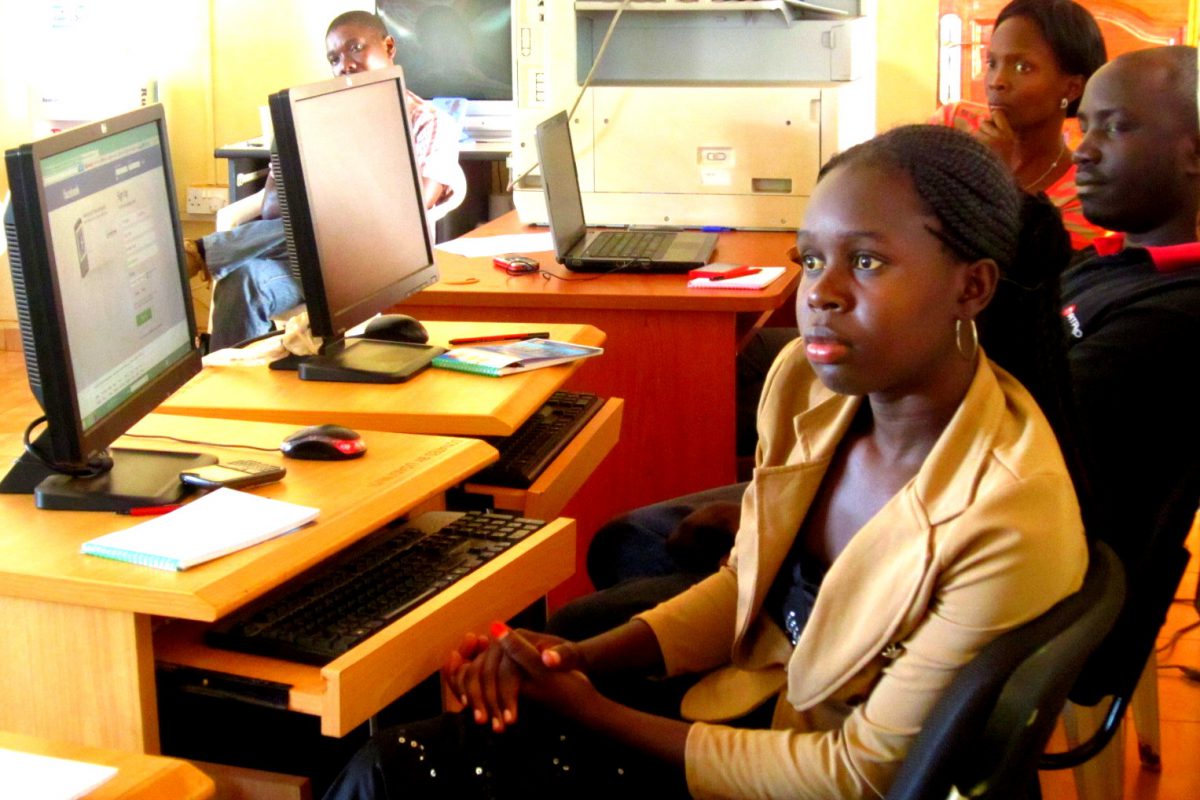
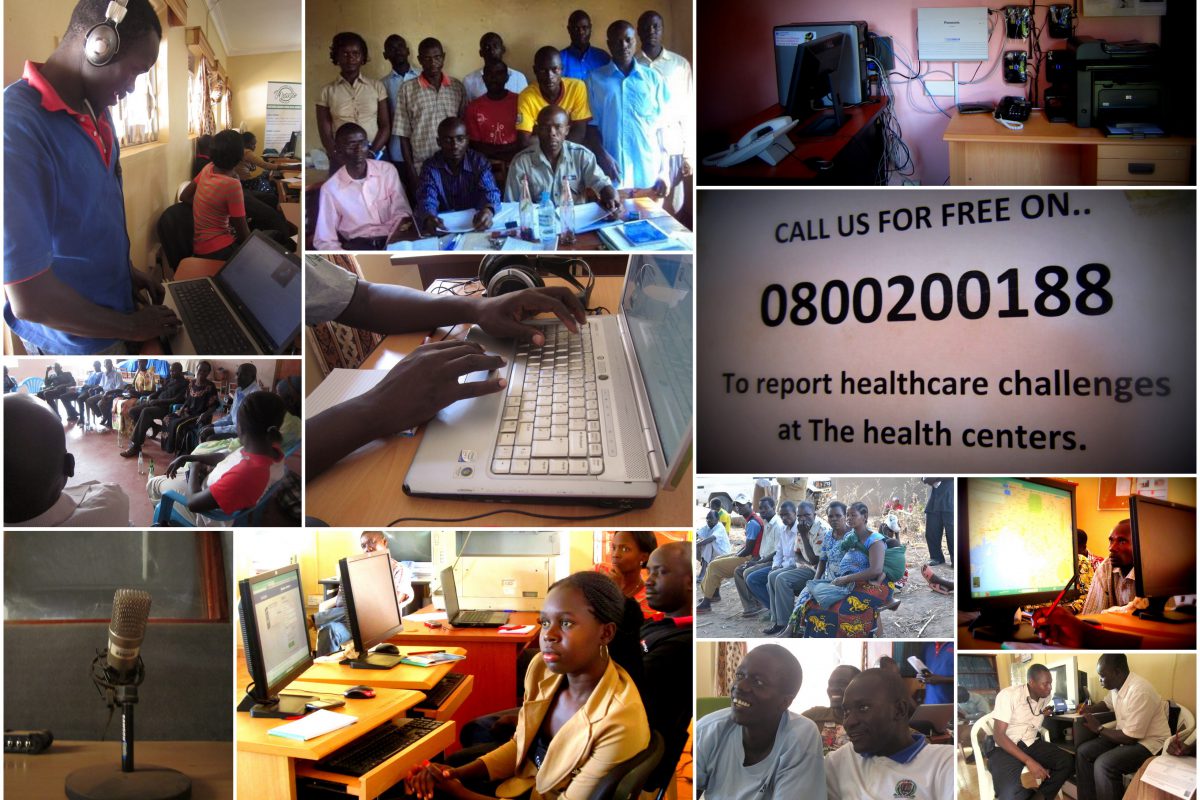
Participants at a training session on the use of  e-governance and community participation as tools to address community issues
Participants at a training session on the use of e-governance and community participation as tools to address community issues

the tools identified by citizens to reduce the information gap that currently exists between the schools community, parents and the local government.
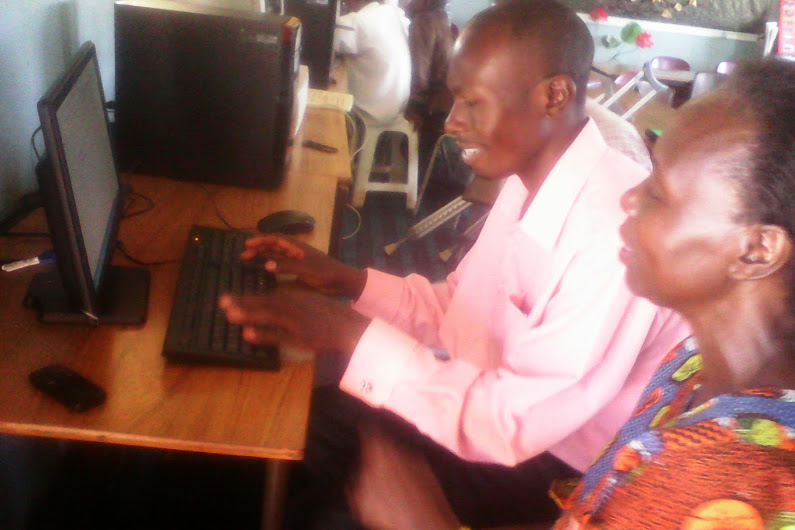
BROSDI conducts several trainings in social media for varying community groups and individuals. However, this was the first time that training was conducted for a group of influential persons in the community who had limited computer experience. The group was composed of head teachers, teachers, community leaders and representatives of the community of parents.
The training was aimed at equipping participants with basic knowledge and skills in computer usage –including opening email accounts as basic requirement for blogging and registration for Individual Tax Identification Number (TIN).
Participants welcomed the training which also helped them open personal email accounts, a process that they noted was simple yet some of them had paid as much as UGX 20,000 (USD 8) to have email addresses opened for them by third parties.
A separate training was held for district officials. Participants in this training had some basic computer experience but little knowledge of blogging. However, they found it a very resourceful tool to link them and other district officials to the community they serve. They were able to read and appreciate the articles written by members of the community.

“If only we knew about this before, we would have not spent so much money.”  Teacher Grace
“I have been passing at BROSDI, seeing people type on these machines but I didn’t know they can go this far.” A participant headteacher

A key outcome of both trainings was the realisation by beneficiaries that they had a lot of information and content to share which they previously did not know how to package for public consumption. This has greatly boosted their confidence levels and the
quality of blog entries produced. The blogs were shared on the project blog (http://visualizemayuge.wordpress.com)  while others created their own blogs. All training participants were eager to post blog entries and encouraged district officials to visit the blog. To ensure a wider audience, they further suggested having the blog link integrated to the district official website.

“I have a daughter abroad who gave me a telephone with all internet settings activated but did not know what to use it for. All I do is to use it for phone calls. I did not know about this internet and that it can do wonders. Will the whole world be able to read about my contribution?” Asks a participant teacher during a training session.
“I didn’t know that I would interact with the community in a different way and I think this works especially in our area where coming to the district is a big problem.” Noted a teacher after a training session

The trainings are part of CIPESA’s wider iParticipate project. In partnership with BROSDI as well as the Northern Uganda Media Club (NUMEC) and eSociety Kasese, ongoing activities are aimed at using ICTs to facilitate better delivery of government services to citizens, empower citizens through access to information, and improve interactions between citizens and public officials.
The project is supported by the Swedish Development Agency (Sida) and the Swedish Programme for ICT in Developing Regions (Spider).
 

SMS System Boosts Reporting of Human Rights Abuses in Tanzania

Growing the capacity of citizens and civic groups including human rights networks to use Information and Communication Technology (ICT) to foster free speech, human rights, access to information and open governance is one of the objectives of the ICT4Democracy in East Africa Network. Since April 2014, the Commission for Human Rights and Good Governance (CHRAGG) in Tanzania has conducted a campaign to raise awareness about the SMS for Human Rights system throughout Tanzania.
The system, which was launched on Human Rights Day in December 2012, has made it easier for citizens to report human rights violations to the Commission. In 2013, a total of 173,493 complaints were received through the system. Since then, the number of complaints filed with the Commission has averaged more than 100 per week compared to 10 per week prior to the system’s installation.
Given that CHRAGG has only four regional offices to cover a large country, the system has reduced the amount of time, inconvenience and cost to citizens for submitting complaints and following up on case progress, particularly for those in rural areas. The electronic case handling system has also eased the work of investigators by reducing their travel burden and enabling more efficient evidence gathering. Besides text message, the platform allows for video and image capabilities for complainants and informers.
The SMS for Human Rights System is a mobile phone based Complaints Handling Management Information System aimed at expanding CHRAGG’s case handling and tracking. An individual is able to file a complaint by texting the word ‘REPORT’ or ‘TAARIFA’ to the toll free number:  +255 (0) 754 460 259. The individual receives a text message confirming receipt of the complaint. Thereafter, a follow up phone call is made by investigators at the Commission to obtain further information, authenticate the report and assign the individual a reference number. The same number can be used to track the progress of a complaint by texting the word ‘STATUS’ followed by the reference number.
However, although many complaints are received through the system, many citizens, particularly on the semi-autonomous island of Zanzibar, were not aware of its existence.  With an estimated population of 45 million people, Tanzania has about 28 million mobile phone subscriptions representing a teledensity of 61 phones per 100 inhabitants.
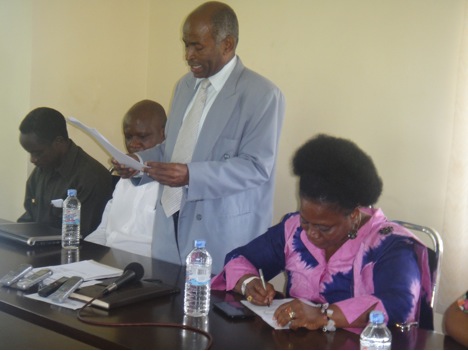
The system’s awareness campaign launch in Zanzibar in April was officiated by CHRAGG’s Commissioner Zahor Kharmis. CHRAGG’s Director of Human Rights Francis Nzuki and Wilfred Warioba, the Head of Management Information System Unit demonstrated how the system works and fielded questions from the attendees who included journalists, representatives from civil society organisations and ordinary citizens.
The event was televised live on Television Zanzibar (TVZ) and broadcast on Coconut FM radio station. It was also featured on Zanzibar Broadcasting TV and Radio, Independent TV, Radio Coconut, Radio Chuchu, Radio Hits, Radio Zenj, Radio Alnoor and two local print newspapers.
Since the launch, two public awareness meetings have been held in the North Unguja and Urban West regions of Zanzibar island. Furthermore, five similar events have been held in Mtwara, KilwaKivinje, Pwani and Dar es Salaam regions on the mainland.
In addition to the meetings, over four million print leaflets have been distributed encouraging citizens to seek redress for human rights violations particularly in the areas of poor service delivery, police brutality, corruption and employment rights.
The awareness raising campaign is expected to cover at least 18 more regions in the coming months. It is expected to incorporate nationwide TV and radio talk shows as well as social media as part of its outreach campaign.
Established in 2001 in fulfillment of Tanzania’s national constitution, CHRAGG plays the dual role of an ombudsman and a human rights commission for the protection and promotion of human rights as well as good governance.
CHRAGG is a member of the ICT4Democracy in East Africa Network whose work is supported by the Swedish International Development Cooperation Agency (Sida) and the Swedish Programme for ICT in Developing Regions (Spider). The network is coordinated by the Collaboration on International ICT Policy in East and Southern Africa (CIPESA).

New Laws in Uganda Restrict Citizens’ Rights

By Juliet Nanfuka
Recently introduced laws and regulations in Uganda have caused a stir both within the country and internationally for restricting citizens’ rights to freedom of expression on the internet and offline.
The most contentious of these are the Anti-Pornography Act 2014, the Public Order Management Act 2013, the Anti-Homosexuality Act 2014, the 2014 Press and Journalist regulations and the Non Government Organisation (NGO) Amendment bill. They are criticised for creating unwarranted restrictions to liberties granted by the country’s 1995 constitution.
As a result, the space in which civil society, the media and citizens can enjoy constitutionally granted rights to freedom of expression, opinion, assembly, and information is steadily shrinking.
In an April 2014 brief, CIPESA takes a look at how the recently enacted laws and proposed amendments impact on citizens’ rights, including internet rights, as well as on the work of human rights defenders. Read the full brief here.

Call for Consultants – Policy Analysis: Kenya, Tanzania and Uganda

The Collaboration on International ICT Policy in East and Southern Africa (CIPESA) is seeking Consultants to study how current Information and Communications Technologies (ICT)-related policies and practices affect democratic governance in Kenya, Tanzania and Uganda.
Closing date for applications: Monday April 28, 2014.
Further details on scope, requirements and how to apply are available here.