Stakeholders Call for Digital Transformation That Bridges Business and Digital Rights in Uganda

By Doreen Namuyanja |

Uganda is embracing the opportunities offered by Artificial Intelligence (AI) and Digital Public Infrastructure (DPI) as drivers of national development. Both promise efficiency, improved service delivery, financial inclusion, and economic growth. However, as the country advances its digital transformation interests, questions linger on the adequacy of safeguards for citizens especially where business and rights intersect.

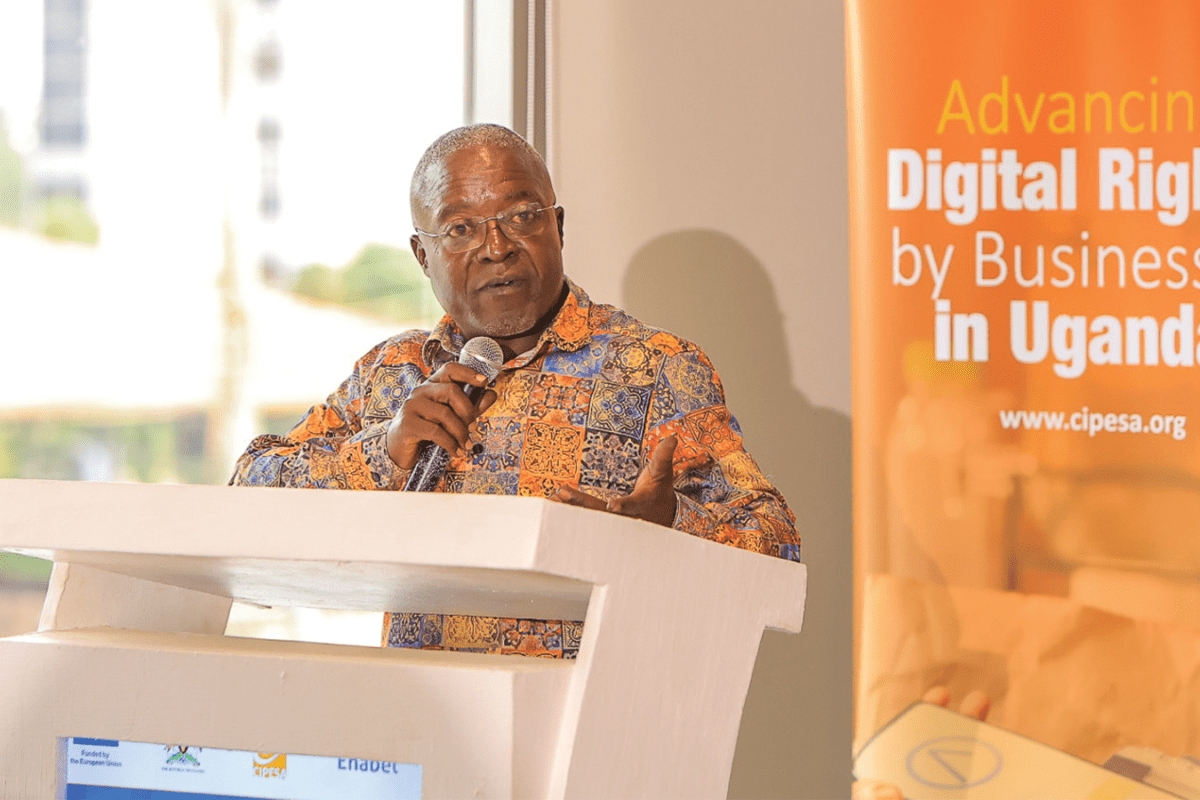
These questions were at the centre of a  High-Level Multi-Stakeholder Dialogue on Business and Digital Rights convened by the Collaboration on International ICT Policy for East and Southern Africa (CIPESA)  on May 7, 2026, under the Advancing Respect for Human Rights by Businesses in Uganda (ARBHR) project, supported by Enabel and the European Union (EU). The dialogue brought together 81 individuals representing government officials, civil society actors, private sector representatives, researchers, and digital innovators to reflect on the growing recognition that digital transformation is not simply a technical process, but also a governance and human rights issue that demands transparency and accountability.

The discussions at the dialogue revealed a tension between innovation and human rights. Systems such as digital identity (ID), payment platforms, and data-sharing frameworks   centralise enormous amounts of personal data and are reshaping power relationships between citizens, the government, and corporations.

Participants noted that in the absence of strong governance frameworks, these systems can enable exclusion, surveillance, and misuse of personal information. Further,  concerns were raised about fragmented systems across government agencies, weak interoperability, and limited public awareness regarding how personal data is collected, stored, and shared.

Meanwhile, as emerging technologies such AI take hold in the country,  the Uganda National AI Landscape Assessment positions  AI as a key digital technology driver to drive economic growth.

However, the Assessment documents the absence of a dedicated AI policy and regulatory framework, a shortage of AI skills, and insufficient collaboration between academia and the technology sector. Similarly, like its counterpart governments across Africa, Uganda is increasingly investing in DPI systems including digital ID and payment systems,  as well as data exchange frameworks. DPI is being positioned as a key pillar of digital transformation strategies across Africa. However, DPI  systems remain heavily reliant on public data and algorithmic decision-making. Thus, if   designed and deployed without sufficient citizen participation, independent oversight, legal safeguards, and alignment with the public interest, they risk becoming tools of exclusion, exploitation, and foreign dependency.

Various efforts related to the adoption of emerging technologies are underway.  Ambrose Ruyooka, the Assistant Commissioner at the Ministry of ICT and National Guidance, Uganda noted that the Ministry is taking a cautious approach to regulation by prioritising standards, policy guidance, and institutional learning before introducing binding laws. This includes efforts to domesticate the UNESCO Recommendations on the Ethics of AI and a Readiness Assessment process. The dialogue also came on the heels of the Ministry’s call for stakeholder input to the National AI and Emerging Technologies Strategy – signaling a growing policy focus on responsible digital transformation.

Further he stressed that in the midst of AI, stakeholders should not be “passive consumers” of the digital economy but actively “participate in shaping it” while pointing out that participation requires local technical capacity to “build, operate and audit” systems such as AI and DPI systems independently.While government efforts are laying the foundation for AI governance, businesses also have an obligation to innovate responsibly and adopt robust human rights due diligence processes to support regulatory compliance and foster trust and sustainability.

At a broader level, the dialogue demonstrated how digital rights are increasingly intertwined with economic rights and social justice. As a result, corporate responsibility can no longer be limited to traditional labour or environmental concerns. Companies are now expected to consider how their digital operations affect privacy, equality, freedom of expression, and access to information.

This shift is especially significant for Uganda’s small and medium enterprises (SMEs), many of which are digitising rapidly but often lack the resources and expertise needed to manage cybersecurity and data effectively.

Presentations from implementing partners, including the Private Sector Foundation Uganda (PSFU), Evidence and Methods Lab (EML), Wakiso District Human Rights Committee (WDHRC), Boundless Minds, and Girls for Climate Action (G4CA), highlighted both the scale of the challenge and the potential for practical intervention. Partner interventions on digital rights and cybersecurity are strengthening awareness and practices among entities – both rural and urban.

The European Union’s (EU) Commitment to Human Rights in Business

Laurianne Comard, Programme Officer at the EU Delegation to Uganda,  noted that the EU and its member states are currently among Uganda’s largest investors in the private sector, with over 1.4 billion euros deployed to foster sustainable economic growth and high-value exports. Specifically, she stated that the EU supports Uganda’s National Action Plan (NAP) on Business and Human Rights with over 20 billion Uganda Shillings, with a specific focus on strengthening human rights practices in business operations, particularly around labour standards and women’s rights.

Course-Correcting on Inclusion

Participants also noted that public participation in digital governance remains limited. Several civil society actors argued that consultations around national AI strategy have not been broad enough, particularly for rural communities, labour unions, youth groups and persons with disabilities. Frameworks developed without broad public engagement risk lacking legitimacy and failing to address the lived realities of those most affected.

The dialogue also reflected on the NAP on Business and Human Rights and the consultative processes underpinning its evaluation and development of NAP II. Lydia Nabiryo, Assistant Commissioner at the Ministry of Gender, Labour and Social Development, acknowledged that the government is actively working to broaden participation in the NAP’s revision.

Her remarks were a candid recognition that the first NAP, while a significant milestone, left representational gaps, and that those gaps are now being deliberately addressed. She noted, “If you have noticed this time round, we are having a more inclusive dialogue with stakeholders that were not necessarily represented in the first NAP. So, not only is the government evaluating, but we’re also course correcting.”   

Participation should not only be limited to policy processes. Shane Ssenyonga, an innovator, pointed out the need for collaborative spaces that support entrepreneurs and businesses to build scalable solutions that are responsive to social, cultural, and economic realities.

Recommendations for Action

The dialogue called for stronger human rights safeguards and access to remedy within digital transformation strategies and business operations. The strategies should be in harmony with existing digital laws and policies and strengthen oversight and enforcement by relevant institutions. For businesses, adoption of forward looking internal policies and risk management practices was emphasised to ensure trusted deployments and reduce barriers to uptake. Advocacy, documentation, and digital literacy interventions remain critical to public education and compliance monitoring.

CIPESA Participates in the 4th African Business and Human Rights Forum in Zambia

By Nadhifah Muhamad |

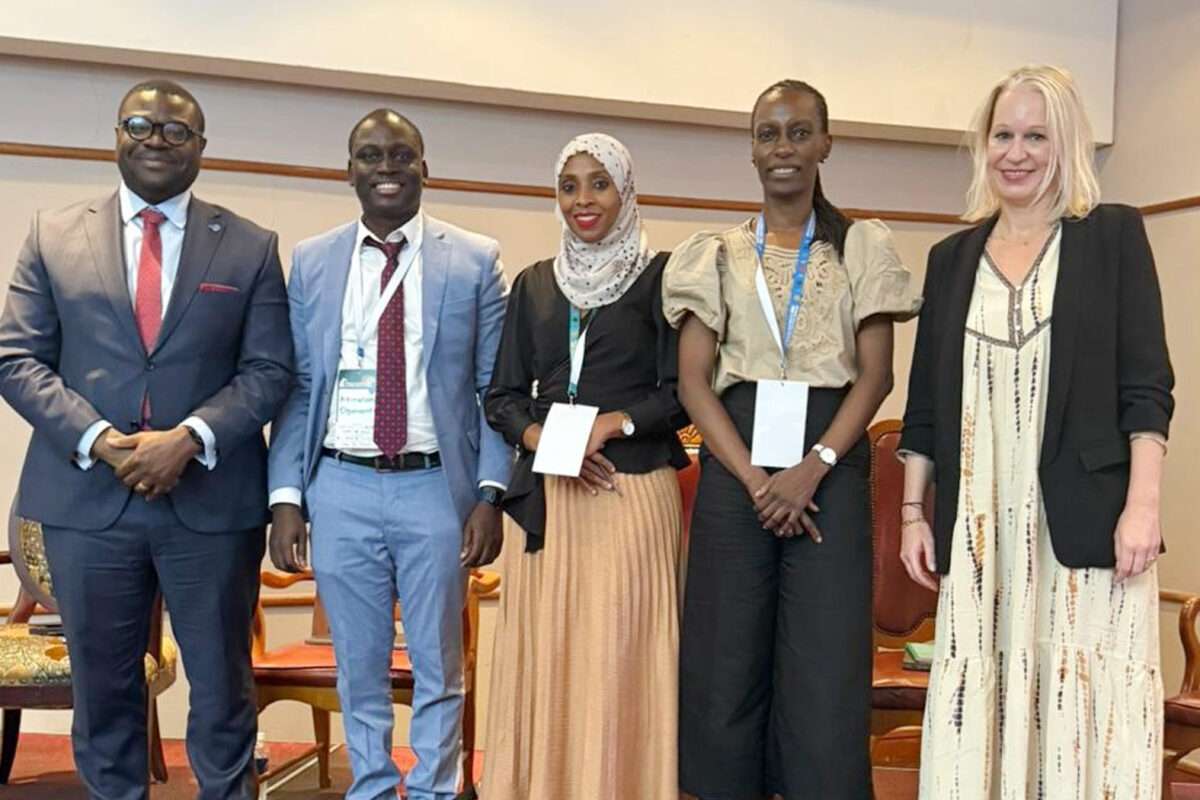
The fourth edition of the African Business and Human Rights (ABHR) Forum was held from October 7-9, 2025, in Lusaka, Zambia, under the theme “From Commitment to Action: Advancing Remedy, Reparations and Responsible Business Conduct in Africa.”

The Collaboration on International ICT Policy for East and Southern Africa (CIPESA) participated in a session titled “Leveraging National Action Plans and Voluntary Disclosure to Foster a Responsible Tech Ecosystem,” convened by the B-Tech Africa Project under the United Nations Human Rights Office and the Thomson Reuters Foundation (TRF). The session discussed the integration of digital governance and voluntary initiatives like the Artificial Intelligence (AI) Company Disclosure Initiative (AICDI) into National Action Plans (NAPs) on business and human rights. That integration would encourage companies to uphold their responsibility to respect human rights through ensuring transparency and internal accountability mechanisms.

According to Nadhifah Muhammad, Programme Officer at CIPESA, Africa’s participation in global AI research and development is estimated only at  1%. This is deepening inequalities and resulting in a proliferation of AI systems that barely suit the African context. In law enforcement, AI-powered facial recognition for crime prevention was leading to arbitrary arrests and unchecked surveillance during periods of unrest. Meanwhile, employment conditions for platform workers on the continent, such as OpenAI ChatGPT workers in Kenya, were characterised by low pay and absence of social welfare protections.

To address these emerging human rights risks, Prof. Damilola Olawuyi, Member of the UN Working Group on Business and Human Rights, encouraged African states to integrate ethical AI governance frameworks in NAPs. He cited Chile, Costa Rica and South Korea’s frameworks as examples in striking a balance between rapid innovation and robust guardrails that prioritise human dignity, oversight, transparency and equity in the regulation of high-risk AI systems.

For instance, Chile’s AI policy principles call for AI centred on people’s well-being, respect for human rights, and security, anchored on inclusivity of perspectives for minority and marginalised groups including women, youth, children, indigenous communities and persons with disabilities. Furthermore,  it states that the policy “aims for its own path, constantly reviewed and adapted to Chile’s unique characteristics, rather than simply following the Northern Hemisphere.”

Relatedly, Dr. Akinwumi Ogunranti from the University of Manitoba commended the Ghana NAP for being alive to emerging digital technology trends. The plan identifies several human rights abuses and growing concerns related to the Information and Communication Technology (ICT) sector and online security, although it has no dedicated section on AI.

NAPs establish measures to promote respect for human rights by businesses, including conducting due diligence and being transparent in their operations. In this regard, the AI Company Disclosure Initiative (AICDI) supported by TRF and UNESCO aims to build a dataset on corporate AI adoption so as to drive transparency and promote responsible business practices. According to Elizabeth Onyango from TRF,  AICDI helps businesses to map their AI use, harness opportunities and mitigate operational risk. These efforts would complement states’ efforts by encouraging companies to uphold their responsibility to respect human rights through voluntary disclosure. The Initiative has attracted about 1,000 companies, with 80% of them publicly disclosing information about their work. Despite the progress, Onyango added that the initiative still grapples with convincing some companies to embrace support in mitigating the risks of AI.

To ensure NAPs contribute to responsible technology use by businesses, states and civil society organisations were advised to consider developing an African Working Group on AI, collaboration and sharing of resources to support local digital startups for sustainable solutions, investment in digital infrastructure, and undertaking robust literacy and capacity building campaigns of both duty holders and right bearers. Other recommendations were the development of evidence-based research to shape the deployment of new technologies and supporting underfunded state agencies that are responsible for regulating data protection.

The Forum was organised by the Office of the United Nations High Commissioner for Human Rights (OHCHR), the United Nations (UN) Working Group on Business and Human Rights and the United Nations Development Programme (UNDP). Other organisers included the African Union, the African Commission on Human and Peoples’ Rights, United Nations Children’s Fund (UNICEF) and UN Global Compact. It brought together more than 500 individuals from over 75 countries –  32 of them African. The event was a buildup on the achievements of the previous Africa ABHR Forums in Ghana (2022), Ethiopia (2023) and Kenya (2024).

The Future of Work in Uganda: Challenges and Prospects in the Context of the Digital Economy

By Nadhifah Muhammad |

The digital economy has re-shaped labour across the globe. Disruptive digital technologies like artificial intelligence (AI), blockchain and robotics have become a big influence on various sectors including business, media, health, education, transportation and agriculture. These technologies have significantly impacted the world of work, upending many long-standing employment norms and practices.

Uganda is no exception to this shift, as many sectors embrace and navigate the digital tide. The thirst for more profits and the competition to dominate markets has led many businesses to innovate and craft more online services. The country’s vision to embrace technology is anchored in the Digital Transformation Roadmap which seeks to attain 90% household connectivity, 90% broadband coverage by geography, and 90% citizens accessing e-services online, by 2040. 

As of 2024, approximately 18 digital labour and hybrid platforms were operating in Uganda, with a relatively even distribution of international and local operators. They included FLIP Africa, Market Garden App, SafeBoda, Uber, Bolt, Speshotaxi, Diva Taxi, Faras, Jumia, Glovo, Fiverr, Upwork, Le Gourmet Delicatessen, Uncle Bob, Kikuubo Online, Jiji and Whatsapp business. These platforms operate in sectors such as ride-hailing, delivery, freelance work, medical consultations, and e-commerce. 

Workplace culture has also undergone a groundbreaking shift in recent years, from a temporary response during the Covid-19 pandemic to reshaping the corporate sector, organisational structures and employee interactions. 

Similarly, the agricultural sector has adopted digital technologies such as the use of mobile applications to access information on crop management and market prices, and the use of digital financial services.

Despite this progress, there are persistent gaps in the digital revolution, including the digital divide laced with digital inequalities, gaps in labour regulatory frameworks, high internet costs, and low digital uptake among the public.

In this May 2025 brief, the Collaboration on International ICT Policy for East and Southern Africa (CIPESA) explores emerging digital trends and their influence on the future of work in Uganda. The brief offers recommendations for harnessing the digital dividend for both formal and informal businesses, including: 

  • Investing in digital literacy
  • Upskilling the workforce across all sectors
  • Advocacy for affordable internet connectivity
  • Bridging the digital divide
  • Enforcement of laws that support digitisation and recognition of the gig economy.

Access the full brief here.

Human Rights Implications of Health Care Digitalisation in Kenya

Policy brief |

This policy brief draws on the key findings of a human rights impact assessment of Digital Health Services to make concrete recommendations for a human rights-based digitalisation of health care services in Kenya.

Drawing on a human rights impact assessment conducted in October-November 2024, the brief shows how the transition from the National Health Insurance Fund (NHIF) to the Social Health Insurance Fund (SHIF) has faced significant challenges that impact the right to health, particularly for vulnerable and marginalised groups and addresses broader concerns as to the role of digitalisation in health care management and its implications for service delivery. 

Notably, Kenya’s journey towards a rights-based digital health system requires a coordinated approach that addresses infrastructure, regulatory enforcement, gender equality, and resource allocation and management. By adopting the recommendations found in this brief, Kenya can create a digital health environment that not only advances healthcare service delivery but also protects, promotes and respects the rights of all its citizens, particularly those most at risk of exclusion.

Recommendations on the NHIF-SHIF Transition

1. Enhance digital infrastructure: Fully operationalize the SHA platform and integrate it with existing systems like Kenya Health Information System and Kenya Electronic Medical Records.

2. Conduct public awareness campaigns: Educate citizens on SHA benefits and processes to dispel misinformation and encourage enrolment.

3. Expedite empanelment of facilities: Increase the accreditation of healthcare providers to ensure uninterrupted access to services.

4. Strengthen National-County coordination: Align roles, resources, and responsibilities to streamline service delivery under the devolved healthcare framework as stipulated under the Fourth Schedule of the Constitution.

5. Review contribution models: Adjust means-testing mechanisms to ensure affordability, especially for vulnerable and marginalized populations.

6. Prioritize capacity building: Train healthcare workers and Community Health Promoters to effectively navigate the transition and support beneficiaries.

7. Incorporate stakeholder feedback: Deliberately establish clear communication channels and include healthcare workers, vulnerable and marginalized groups in the design and implementation of SHA systems to promote inclusivity.

8. Clarify referral pathways: Define roles for various healthcare levels under the Primary Health Care Act to simplify patient navigation.

9. Ensure accountability and transparency: Regularly audit the transition to address and mitigate inefficiencies and restore public trust.

Read the full policy brief here.

Research Partners

The research into the human rights impacts of digital health services in Kenya was conducted in partnership between the Kenya National Commission on Human Rights – Kenya’s National Human Rights Institution, CIPESA – The Collaboration on International ICT Policy for East and Southern Africa which works to promote effective and inclusive ICT policy, and the Danish Institute for Human Rights – Denmark’s national human rights institution which works internationally to address the human rights implications of technology use.

Advancing Advocacy and Awareness on Digital Rights for Businesses in Uganda

By Nadhifah Muhammad and Tendo Racheal |

Imagine running a business in today’s fast-paced digital world, where almost everything from customer data, marketing to financial transactions happening online. Now, imagine having little or no knowledge on how to protect that data, relevant laws and regulations or worse, unknowingly violating digital rights. That is the reality for many businesses in Uganda today. 

Data protection, data privacy, cybersecurity, and surveillance are not just techy buzzwords, they’re essential to building a safe and inclusive digital economy. Yet, many small and medium enterprises (SMEs), which account for 90% of Uganda’s private sector, either do not fully understand responsible digital practices or lack the tools to do so.

That’s where the Advancing Respect for Human Rights by Businesses in Uganda (ARBHR) project comes in. With support from Enabel and the European Union, the Collaboration on International ICT Policy for East and Southern Africa (CIPESA) is co-implementing this project which seeks to reduce human rights abuses connected to business activities in Uganda, particularly those impacting women and children. 

Among others, CIPESA is working to raise awareness on digital rights in the business context. As businesses increasingly rely on digital technologies to operate and innovate, their role in upholding digital rights becomes paramount. Yet many Ugandan businesses, particularly SMEs, lack a comprehensive understanding of digital rights principles and their obligations in upholding them. 

Early this year, CIPESA published a call for applications to the Civil Society (CSO) Fund for entities interested in championing digital rights in the business sector. Six CSOs were selected under the competitive process and, together with four innovation hubs, SME, employer and employee associations, will be supported to implement awareness-raising activities. These include Evidence and Methods Lab, Boundless Minds, Wakiso District Human Rights Committee, Media Focus on Africa Uganda, Girls for Climate Action, Recreation for Development and Peace Uganda, Private Sector Foundation Uganda, Federation of Uganda Employers and The Innovation Village.

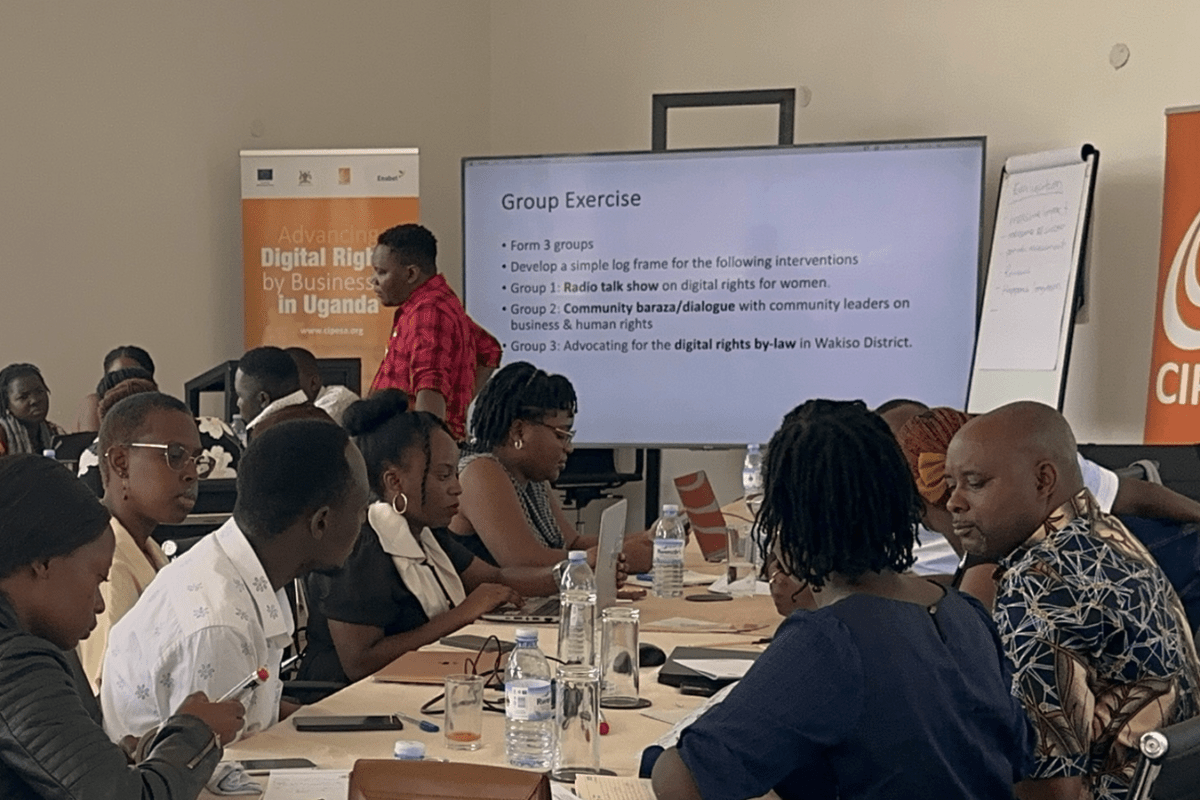
To ensure that the partners effectively undertake their interventions, CIPESA convened a three-day bootcamp on March 4–8, 2025 aimed at enhancing their knowledge and skills in implementing awareness raising and advocacy campaigns as part of advancing the business and human rights agenda. The bootcamp brought together 35 participants. 

Key topics of discussion included Trends in Business and Digital Rights in Uganda, such as Privacy and Data Protection, Cybersecurity, Inclusion and Labour Rights; Impact Communications and Storytelling for Awareness and Advocacy; as well as Digital Content Creation.

The discussions were framed under the Uganda National Action Plan on Business and Human Rights (NAPBHR), which seeks to protect human rights, enhance corporate digital responsibility to respect human rights, and ensure access to remedy for victims of human rights violations and abuses resulting from non-compliance by business entities in the country.

The project is very timely to create more awareness on business and human rights issues especially in regards to labour rights, effective redress mechanisms for BHR [Business and Human Rights] violations and engendering of digital rights. –  Training Participant

Uganda’s ARBHR aligns with the United Nations Guiding Principles on Business and Human Rights (UNGPs), which outline the corporate responsibility to respect, protect, and remedy human rights abuses in business operations. By equipping businesses with the knowledge and tools to integrate digital rights into their policies and practices, the ARBHR project is contributing to a global movement that ensures businesses operate ethically, respect fundamental freedoms, and uphold human dignity in the digital space. 

For Uganda’s business sector to thrive in a digitally connected world, businesses must align with these principles, creating a culture where human rights are not an afterthought but a core business responsibility. 

Therefore, as partners roll out their awareness raising action plans over the next eight months, it is envisaged that over 200,000 individuals will be reached in the regions of Albertine, Busoga and Kampala Metropolitan. Through radio talk shows, skits, social media campaigns, community meetings, capacity building trainings, visualised Information, Education, and Communication (IEC) products, and digital clinics, these stakeholders will have enhanced appreciation of digital rights protection to foster a more informed and active community of advocates for rights-respecting practices among businesses in Uganda. 

So, if you’re a business owner, a CSO representative, or just someone passionate about digital rights, this is your chance to be part of something bigger. Join the conversation, and let’s build a digital future we can all trust.