Élections au Sénégal : CIPESA et AfricTivistes impliquent les principaux acteurs concernant la modération du contenu

Par Abdou Aziz Cissé, Laïty Ndiaye et rédacteur du CIPESA |

Le report des élections présidentielles au Sénégal en février 2024 a exacerbé les tensions politiques dans le pays d’Afrique de l’Ouest. En réponse, le Ministère de la Communication, des Télécommunications et de l’Économie Numérique a suspendu l’accès à Internet mobile, d’abord le 5 février alors que le parlement débattait de la prolongation du mandat du Président Macky Sall, puis à nouveau le 13 février au milieu de manifestations de la société civile. Le ministère a affirmé que les plateformes de médias sociaux alimentaient la diffusion de “plusieurs messages haineux subversifs” incitant à la violence.

Les restrictions de février 2024 sur l’accès à Internet mobile constituaient la troisième instance de perturbations du réseau dans le pays, qui avait précédemment maintenu l’accès à Internet disponible lors de moments cruciaux, notamment les élections. L’année dernière, le Sénégal a restreint l’accès à Internet et interdit TikTok, au milieu de manifestations de l’opposition.

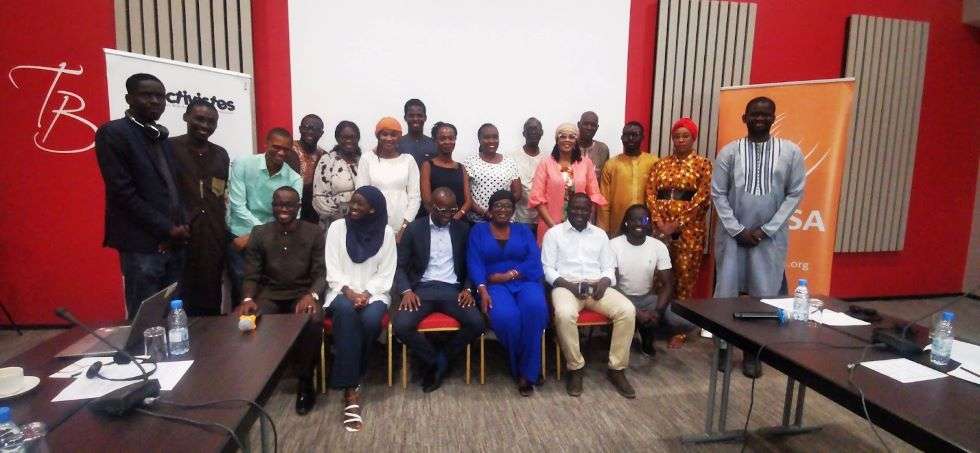
C’est dans ce contexte que la Collaboration sur les Politiques Internationales des TIC pour l’Afrique de l’Est et Australe (CIPESA), en partenariat avec AfricTivistes, a organisé un atelier sur la responsabilité des plateformes et la modération du contenu le 8 février 2024. L’atelier, qui s’est tenu dans la capitale Dakar, a examiné l’efficacité et l’impact de la modération du contenu et a discuté des opportunités de collaboration entre les parties prenantes et des approches communes pour promouvoir la liberté d’Internet au Sénégal.

En septembre 2023, il y avait plus de 18 millions d’abonnés à Internet au Sénégal. Les participants à l’atelier ont reconnu que la croissance du nombre d’utilisateurs alimentait la désinformation en ligne et les discours de haine, qui menacent la cohésion sociale. Cependant, ils ont également exprimé des préoccupations concernant les réponses disproportionnées, notamment les perturbations du réseau instituées par le gouvernement, qui portent atteinte à la liberté d’expression, à l’accès à l’information et à la participation citoyenne.
Selon Ababacar Diop, Commissaire à la Commission de Protection des Données Personnelles (CDP), les efforts visant à freiner la diffusion de contenus nuisibles et illégaux en ligne ont conduit la Commission à collaborer avec des plateformes de médias sociaux populaires pour explorer des mécanismes permettant de réguler efficacement le contenu. Il a ajouté cependant que, comme les plateformes ne sont pas domiciliées au Sénégal, l’effet du partenariat a été limité. En plus d’être l’autorité chargée de la protection des données personnelles, le mandat de la CDP comprend également la garantie que la technologie ne constitue pas une menace pour les droits et la vie des citoyens.

Les engagements de la CDP avec les plateformes complétaient les signalements d’utilisateurs concernant des contenus nuisibles et illégaux et le programme de partenariat de confiance. Cependant, les participants ont noté que les signalements d’utilisateurs et les programmes de partenariat de confiance étaient fortement subjectifs, les utilisateurs et les partenaires signalant parfois des contenus comme inappropriés ou dangereux “uniquement sur la base de leurs opinions”. “Les politiques de modération des plateformes et des gouvernements doivent tenir compte des contextes et opinions différents”, a déclaré Serge Koué, blogueur et expert en technologie de l’information. De plus, les mesures de modération du contenu basées sur des algorithmes sont également sujettes au même défi, car elles ne comprennent pas le contexte local et les langues, selon Pape Ismaïla Dieng, Responsable de la Communication et du Plaidoyer chez AfricTivistes.

Les complexités liées à la modération du contenu ont été mises en lumière avec des études de cas du Nigeria et de l’Ouganda. En 2021, l’ancien Président nigérian Muhammadu Buhari a annoncé une interdiction nationale de Twitter suite à la suppression d’un tweet de son compte sur la guerre civile du Biafra. Twitter a affirmé que le tweet violait la politique de la plateforme sur “le comportement abusif”. Twitter a été bloqué dans le pays à la suite de cet affrontement. En octobre 2021, le gouvernement a émis plusieurs conditions pour lever l’interdiction. Il exigeait que Twitter ouvre un bureau local, paie des impôts localement et coopère avec le gouvernement nigérian pour réguler les tweets nuisibles. La plateforme est restée interdite dans le pays jusqu’en janvier 2022.

En Ouganda, pendant la période électorale de 2021, Facebook et Twitter ont suspendu les comptes de divers individus pro-gouvernementaux pour ce que Facebook a décrit comme “Comportement Inauthentique Coordonné (CIC)” afin de servir les intérêts narratifs en ligne du parti au pouvoir. Les actions des plateformes ont suscité la colère du Président Yoweri Museveni qui a répondu en déclarant lors d’une allocution nationale que : “Si vous voulez prendre parti contre le (parti au pouvoir), alors ce groupe n’opérera pas en Ouganda”, ajoutant que : “Nous ne pouvons pas tolérer cette arrogance de quiconque venant décider pour nous qui est bon et qui est mauvais.” Un jour plus tard, le 11 janvier 2021, l’accès aux médias sociaux a été bloqué et deux jours plus tard, Internet dans son ensemble a été bloqué alors que les citoyens se préparaient à aller voter. Facebook reste bloqué à ce jour.

Les expériences du Nigeria et de l’Ouganda ont mis en lumière non seulement le rôle des personnalités publiques en tant qu’auteurs de contenus nuisibles, mais aussi l’impact du pouvoir non contrôlé des gouvernements pour censurer et restreindre l’accès aux plateformes en réponse directe à la modération du contenu basée sur les Normes Communautaires des plateformes.

Pendant l’atelier, Olivia Tchamba, Responsable des Politiques Publiques de Meta pour l’Afrique francophone, a déclaré que la plateforme s’engageait à trouver un équilibre entre donner la parole aux utilisateurs et garantir la prédominance de l’information fiable. Elle a ajouté que la réglementation associée à un comportement utilisateur responsable devrait être la norme.

La Directrice de Programme de CIPESA, Ashnah Kalemera, a également souligné que la modération du contenu nécessite une approche multi-parties prenantes et multifacette impliquant non seulement les plateformes et les régulateurs, mais aussi les utilisateurs.

L’atelier, auquel ont participé 25 personnes, dont des journalistes, des influenceurs des médias sociaux, des défenseurs des droits de l’homme et du personnel d’organisations de la société civile, a appelé les plateformes à garantir que leurs conditions d’utilisation soient disponibles dans plusieurs langues, à accroître la transparence de leurs processus de modération du contenu, et à promouvoir la sensibilisation et la compréhension des utilisateurs africains sur les mécanismes de recours.

Ils ont également souligné que la consolidation des efforts, tels que ceux de la société civile, du CDP et du Conseil de Surveillance de Meta, conformément aux lois nationales et aux normes internationales en matière de droits de l’homme, contribuerait à créer un écosystème des médias sociaux qui défend la liberté d’expression et la vie privée, entre autres droits. Alors que la Cour Constitutionnelle sénégalaise s’est prononcée contre le report des élections, une nouvelle date pour les élections reste à déterminer. Le dialogue lors de l’atelier de CIPESA et d’AfricTivistes est crucial alors que les tensions continuent de bouillonner en ligne et hors ligne, et donne le ton pour des engagements similaires dans d’autres pays africains devant se rendre aux urnes en 2024 et pour la promotion de la responsabilité accrue des technologies.
Africa Commission Resolution A Boon For Fight Against Unlawful Surveillance

By CIPESA Writer |

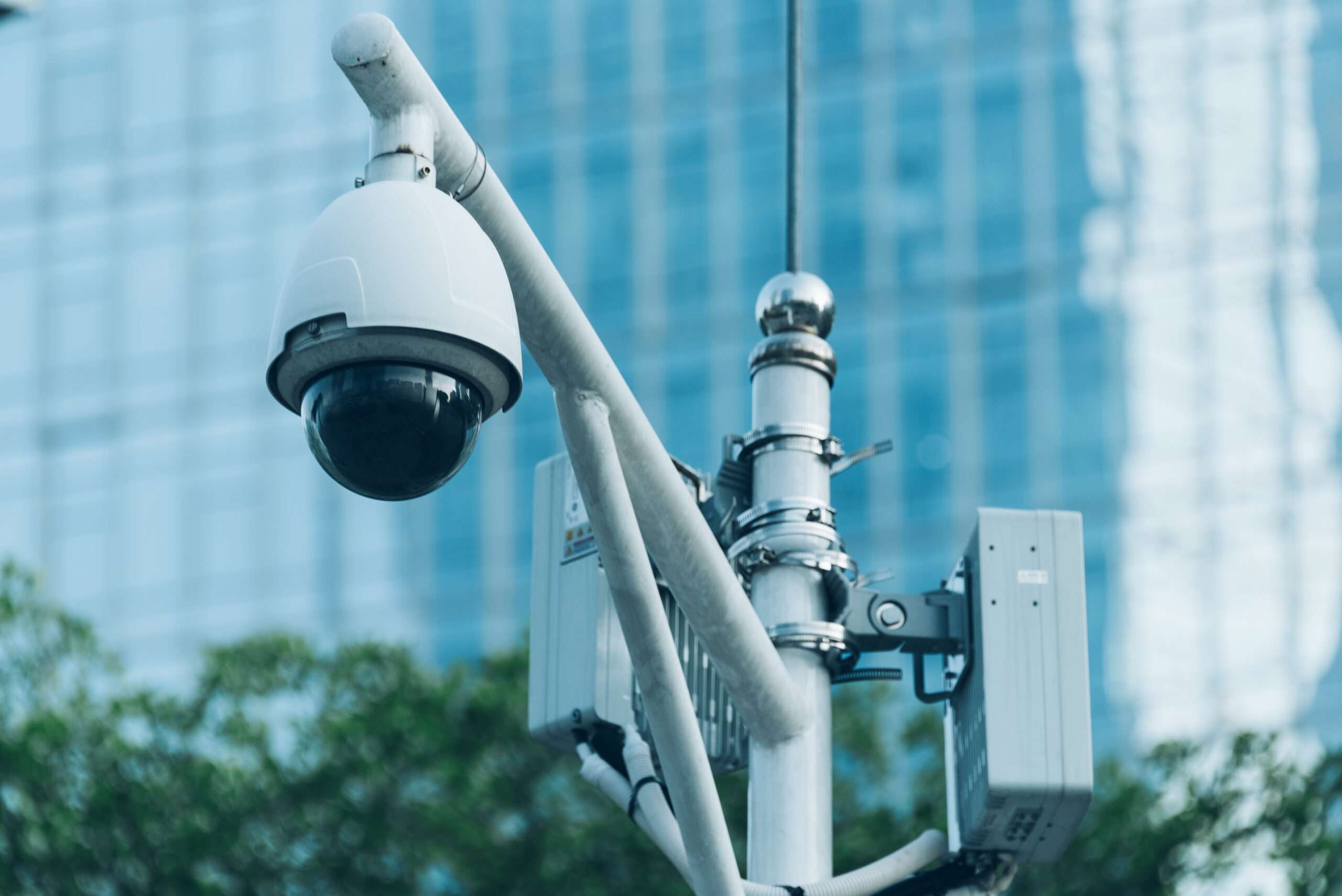
The Collaboration on International ICT Police for East and Southern Africa (CIPESA) welcomes the resolution by the African Commission on Human and Peoples’ Rights, which urges African governments to cease undertaking unlawful communications surveillance.

The resolution is timely, as it comes amidst an unprecedented spike in the scale and nature of state surveillance that is often unlawful, excessive, and inadequately supervised by oversight bodies. As CIPESA research has found, the expansion in state surveillance in various African countries is denying citizens their rights to freedom of expression, association and assembly, and undermining their participation in democratic processes.

The Resolution on the deployment of mass and unlawful targeted communication surveillance and its impact on human rights in Africa, adopted last November at the Commission’s 77th Ordinary Session held in Arusha, Tanzania, expresses concern about the unrestrained acquisition of communication surveillance technologies by states without adequate regulation. It also notes the lack of adequate national frameworks on privacy, communication surveillance, and personal data protection. 

Furthermore, the resolution notes the Commission’s concern about the disproportionate targeting of journalists, human rights defenders, civil society organisations, whistleblowers and opposition political activists by state surveillance.

CIPESA welcomes the resolution, which reflects the findings of our research and the recommendations we have variously made to African governments regarding the conduct of state surveillance. CIPESA has previously called upon stakeholders, including governments, to take all measures that buttress the right to privacy in order to guarantee and enhance free expression, access to information, freedom of association, and freedom of assembly in accordance with international human rights standards.

Notably, the African Commission resolution urges African countries to ensure that all restrictions on privacy and other fundamental freedoms are necessary and proportionate, and in line with international human rights law and standards. It also urges states to consider safeguards such as the requirement for prior authorisation of surveillance by an independent and impartial judicial authority and the need for effective monitoring and regular review by independent oversight mechanisms.

According to CIPESA’s Legal Officer Edrine Wanyama, “The resolution is a step forward to buttressing data rights and privacy on the continent. States should take advantage of the resolution and overhaul regressive surveillance practices while embracing all internationally recognised efforts and standards for strengthening the right to privacy.”

According to the Declaration of Principles on Freedom of Expression and Access to Information in Africa, states should only engage in targeted surveillance in conformity with international human rights law (principle 41), and every individual shall have legal recourse to effective remedies in relation to the violation of their privacy and the unlawful processing of their personal information (principle 42 (7)). In addition, principle 20 requires states to guarantee the safety of journalists and other media practitioners by taking measures that prevent threats and unlawful surveillance.
See related CIPESA resources: Privacy Imperilled: Analysis of Surveillance, Encryption and Data Localisation Laws in Africa; Effects of State Surveillance on Democratic Participation in Africa; Compelled Service Provider Assistance for State Surveillance in Africa: Challenges and Policy Options; Mapping and Analysis of Privacy Laws in Africa.

Introducing the Tech Accountability Fund and a Call for Proposals

Announcement |

The Collaboration on International ICT Policy for East and Southern Africa (CIPESA) has partnered with Digital Action to support work on tech accountability in Sub-Saharan Africa in the run up to and during the “Year of Democracy” in 2024. This support will be channelled through the Tech Accountability Fund that will be administered under the auspices of the Africa Digital Rights Fund (ADRF).  

Numerous African countries, including the Comoros, Senegal, Mauritania, Rwanda, Mozambique, Ghana, Algeria, Botswana, Chad, Guinea Bissau, Mali, Mauritius, Namibia, South Africa, South Sudan and Tunisia, are headed to the polls during 2024. Electoral processes are essential to building democracy, and given growing threats to information integrity and technology use in elections, it is crucial to conduct platform accountability around electoral processes. The Fund responds to these key concerns in the Year of Democracy and to the scant  resources to African civil society entities that are working to counter tech harms. 

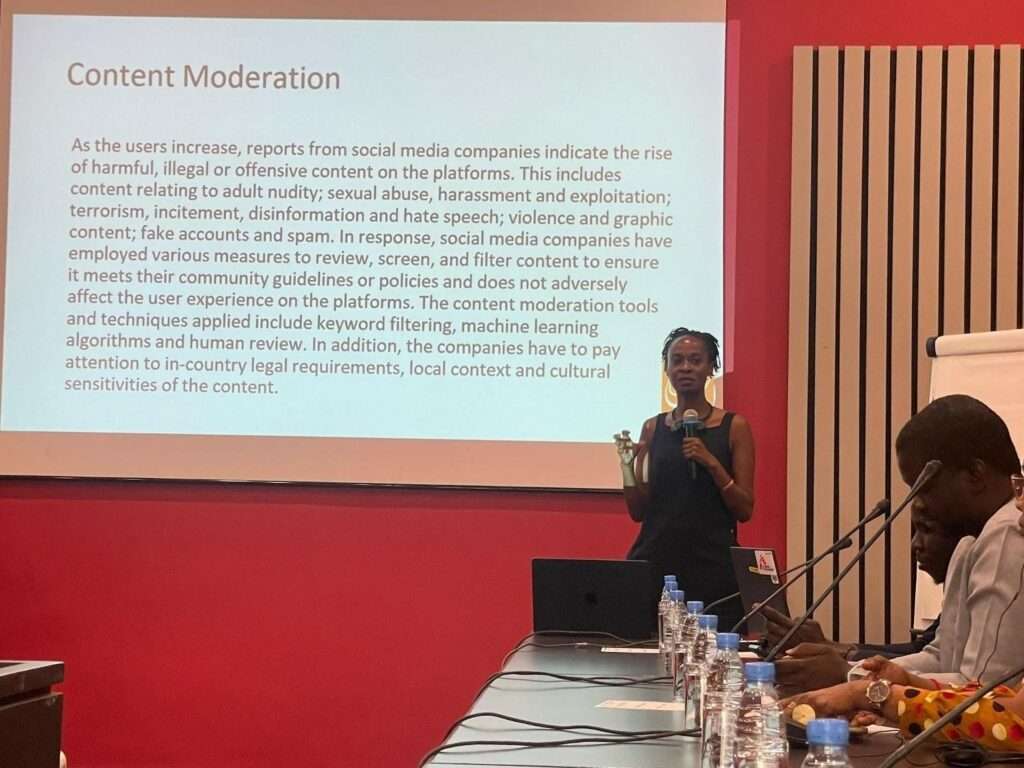
In 2022, Africa had around 570 million internet users, of which 384 million (67%) were social media users. These users, most of whom are the youth, are increasingly using social media applications such as WhatsApp, Facebook, Twitter, YouTube, Instagram and TikTok for content creation and entertainment, business, advertising and entrepreneurship, communication and connection, education and learning, civic engagement and activism. As the users increase, reports from social media companies indicate the rise of harmful, illegal or offensive content on the platforms.

In response, social media companies have employed various measures to review, screen, and filter content to ensure it meets their community guidelines or policies and does not adversely affect the user experience on the platforms. The content moderation tools and techniques applied include keyword filtering, machine learning algorithms and human review. 

Despite these efforts, the inadequacy of the measures undertaken by social media platforms and social networking sites in moderating illegal, harmful or offensive content has increasingly been questioned. In Ethiopia for instance, social media companies have been accused of not doing enough to moderate such content, which has gone on to cause real-world harm, such as fuelling killings. Starkly, platforms such as Facebook and Twitter are accused of deploying minuscule resources and measures in content moderation in Africa, relative to investments in the United States and Europe. 

Key concerns about content moderation in Africa include the limited understanding by platforms of the cultural context in the continent, the lack of cultural sensitivity, labour rights violations, bias and discrimination of algorithms, non-application of local laws, lack of transparency and accountability in content moderation, all of which have an impact on freedom of expression and civic participation.

Call for Proposals
Applications are now open for the Tech Accountability Fund as the eighth edition of the ADRF. Grant sizes will range from USD 5,000 to USD 20,000 subject to demonstrated need. Cost sharing is strongly encouraged. Funding shall be for periods between six and 12 months. 

The Fund is particularly interested in work related to but not limited to:

  • Online gender-based violence, particularly against women politicians and women journalists
  • Network disruptions
  • Content moderation
  • Microtargeting and political advertising
  • Hate speech
  • Electoral Disinformation 
  • Electoral specific harms e.g. effects on freedom of expression and citizens’ ability to make independent choices and participate in electoral processes.

The deadline for applications is February 16, 2024. Read more about the Fund Guidelines here. The application form can be accessed here

Only shortlisted applicants will be contacted directly. Feedback on unsuccessful applications will be available upon request.

Meet the Latest Grantees of the Africa Digital Rights Fund (ADRF)

Announcement |

Round seven of the Africa Digital Rights Fund (ADRF) awarded grants to seven organisations to implement initiatives focused on digital inclusion, women’s safety online, cyber security and digital resilience. In Tanzania, Omuka Hub is working to raise the online visibility of women politicians and push for reforms related to online violence against women in the context of the Political Parties Act and Election Act. Still on women’s safety online, building on the success of its endgbv.africa portal, South Africa based Alt Advisory is working to increase the availability of resources in the form of fact sheets on the harm, including legal and political nuances; landmark judgments and law reform processes; and support for survivors. 

Under the themes of cybercrime, data protection and privacy and hate speech, the Institute for Public Policy Research (IPPR)’s ADRF initiative aims to document (through primers and podcasts) and spark discourse around narratives related to national security, social media regulation and content moderation, and multi-stakeholder participation in Namibia’s cyber security law and policy making processes.

Towards strengthening the digital resilience of human rights defenders, activists, and journalists in Malawi, the Centre for Human Rights and Rehabilitation (CHRR) will conduct knowledge and skills building exercises in digital security, develop reference materials and resources and convene stakeholder meetings on the Data Protection Bill. 

In Kenya, Mozambique and Zimbabwe, ADRF-supported projects on advancing learning and best practice in digital accessibility for persons with disabilities based on CIPESA’s Disability and ICT Accessibility Framework Indicators are underway by the Mozambican Forum of Disabled Persons’ Organizations (FAMOD)Signs of Hope Trust and the Kenya ICT Action Network (KICTANet), respectively. 

Round seven brings to USD 700,000, the total amount of funding disbursed under the ADRF since it started in 2019. Information about past grantees can be found here.

Ongoing Power Cuts Set Back South Africa’s Gains on Digital Access 

By Tusi Fokane |

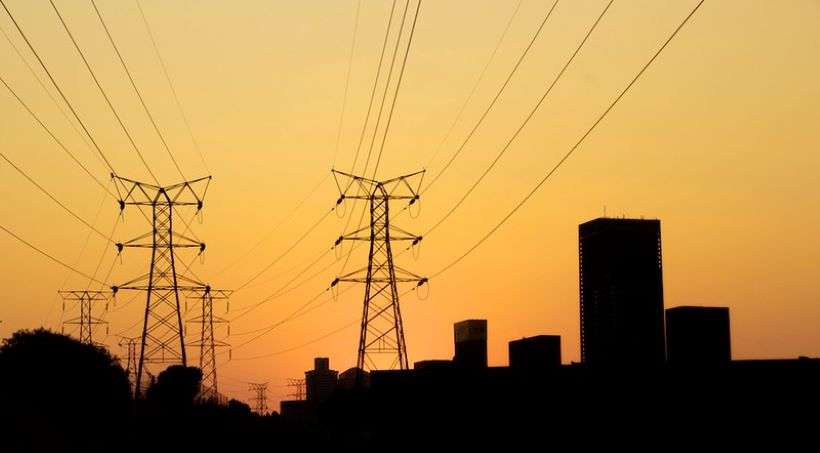
Over the last 15 years, South Africa has been caught in the midst of  an energy crisis with 2023 marking the most challenging period. The country experienced record-breaking power cuts, resulting in 300 days of load shedding at an economic cost of ZAR 1 billion per day (USD 55 million).  The power cuts which in some instances run up to eight hours a day have impacted South African society in various ways including through a rise in crime, reduced access to economic opportunities, health care, education and essential government services. There have also been concerns raised on the impact of load shedding on access to the internet. 

Internet access concerns fueled by the power cuts have included data affordability, availability of pre-paid internet packages, and convenience of access.  Whilst telecommunications companies have taken steps to minimise access disruptions, by investing in increased security, back-up, and alternative sources of energy, experts have warned that the continued power disruptions would exacerbate the digital divide, particularly for rural and poor communities. As part of efforts to avert the crisis, in May 2023,  the Independent Communications Authority of South Africa (ICASA), established a committee to assess the impact of load shedding on consumers of electronic communications, broadcasting, and postal services towards informing regulatory interventions for the sector.  

Meanwhile, according to the Institute for Security Studies (ISS) telecommunications companies are lobbying for the declaration of the sector as a national strategic asset under the Critical Infrastructure Protection Act. The law deems a sector critical if it is essential for the economy, national security, public safety and the continuous provision of basic public services.

A Fracturing Digital Access Divide 

An estimated 79 percent of the South African population has access to the internet, predominantly through their mobile devices. Access to the internet, particularly in the post-Covid-19 environment, increased reliance on the sector as internet access facilitated many digital activities such as remote work and e-learning. However, the frequency of load shedding affects digital gains particularly for small businesses and students, leaving those without access to alternative sources of power, often unable to access internet services effectively.  According to Accountability Lab, citizens who can afford extra internet data, generators, and solar panels are managing to cope with the power outages. However, the Lab notes a widening of the gap between “digital haves and have-nots” and stresses that ”with limited access to online education and work options, citizens who are already struggling to afford the cost of living find themselves further behind.” Activists have warned that any load shedding mitigation undertaken by mobile network operators should not come at the expense of poor consumers who run the risk of being charged more for data services. 

Indeed, in a country with one of the highest inequality levels in the world, and an unemployment rate of 42 percent, there are concerns that continued load shedding is contributing to inequality and deepening the digital divide. Lower-income households have resorted to staying up until midnight waiting to benefit from “internet happy hours” where data packages are offered at cheaper rates than daytime packages.

Money Spent on Mitigating Load Shedding Could be Used to Expand Rural Access

Telecommunications service providers have not been spared from the consequences of the power cuts. The country’s second-largest mobile operator – MTN South Africa – reportedly spent ZAR 6.6 billion ( USD 360 million) on improvements to its network in 2023. Competitor, Vodacom, is set to increase its annual infrastructure spend to  ZAR 12 billion (USD 654 million) to strengthen its network. The investments will go towards back-up power systems (additional batteries, fuel and generators, and alternative energy sources) at their base stations and data centres. In addition, operators face increased security costs, due to theft and vandalism at their sites including the potential theft of high-capacity batteries which can fetch high values on the black market. 

The investment into back-up systems and batteries is key as longer periods of load shedding often result in batteries not charging sufficiently, affecting network availability, particularly in rural areas.  ICASA was recently taken to task by Members of Parliament for not conducting effective oversight in ensuring access to adequate network coverage. It was noted that service providers generally take their time to get to rural areas when there is a breakage or theft of cables or batteries, which undermines network stability in affected communities. The Select Committee Chair on Public Enterprises and Communication highlighted that internet access “is now no longer a matter of privilege but rather a right to have reliable signal” adding that ICASA needs to be firm and ensure that communications services are consistently provided. 

However, further challenges remain in rural areas which still face insufficient infrastructure deployment. Network operators concede that ongoing load shedding diverts much-needed capital away from rural infrastructure projects and new technologies. Concerns have also been raised on the negative impact to consumers, who will likely carry the additional costs through higher tariffs. Higher income earners have invested in fibre and wireless solutions to maintain connectivity during load shedding, but this comes with the additional costs of installing uninterruptible power supply (UPS). Some experts suggest that satellites, coupled with alternative energy sources, may be more resilient during higher stages of load shedding, or in the event of a total grid collapse. 

Industry stakeholders, through the Association of Comms and Technology have been lobbying for increased government support through policy reform and fuel subsidy rebates in order to avert a digital doomsday scenario where digital networks fail as a result of ongoing power cuts. The industry eagerly awaits the outcome of the ICASA committee on the impact of load shedding on the communications sector, which will hopefully also provide some relief to South African internet users.