CIPESA and Partners Advocate for Inclusion of Technology-Facilitated Gender-Based Violence in Uganda’s Sexual Offences Bill

By Ainembabazi Patricia |

On February 18, 2025, the Collaboration on International ICT Policy for East and Southern Africa (CIPESA) alongside Pollicy and the Gender Tech Initiative appeared before Members of Uganda’s Parliament to advocate for the inclusion of Technology-Facilitated Gender-Based Violence (TFGBV) in the Sexual Offences Bill 2024.

The rapid evolution of digital technologies has reshaped societal interactions, leading to increased perpetration of online violence. In Uganda, online users increasingly face digital forms of abuse that often mirror or escalate offline sexual offences, yet efforts to combat gender-based violence are met with both legal and practical challenges.

The Sexual Offences Bill aims to address sexual offences by providing for the effectual prevention of sexual violence, enhancement of the punishment of sexual offenders, providing for the protection of victims during trial of sexual offences, and providing for extra-territorial application of the law.

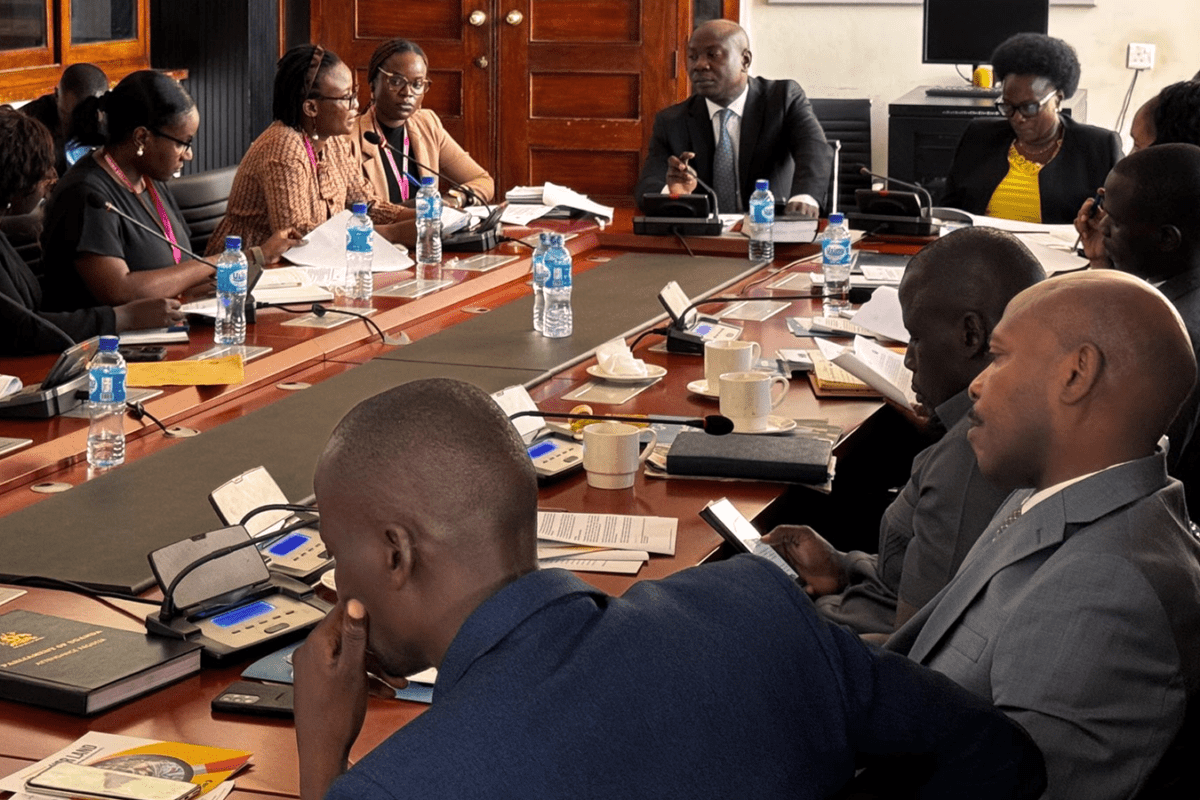
In the presentation to Committee of Legal and Parliamentary Affairs and the Committee on Gender, Labour, and Social Development, CIPESA and partners emphasised the necessity of closing the policy gap between digital and physical sexual offenses in the Bill, to ensure that Uganda’s legal system is responsive to the realities of technology advancements and related violence. We argued that while the Bill is timely and presents real issues of sexual violence especially against women, there are some pertinent aspects that have been left out and should be included.

According to the United Nations Population Fund (UNFPA), TFGBV is “an act of violence perpetrated by one or more individuals that is committed, assisted, aggravated, and amplified in part or fully by the use of information and communication technologies or digital media, against a person on the basis of their gender.” It includes cyberstalking, doxing, non-consensual sharing of intimate images, cyberbullying, and other forms of online harassment.

In Uganda, TFGBV is not addressed by the existing laws including the Penal Code Act and the Computer Misuse Act. Adding TFGBV to the bill will provide an opportunity to bridge this legal gap by explicitly incorporating TFGBV as a prosecutable offence.

CIPESA and partners’ recommendations to the Committees were to:

1. Include and Explicitly Define TFGBV

Under Part I (Preliminary), the Bill provides definitions for various terms related to sexual offences, including references to digital and online platforms. However, it does not explicitly define TFGBV or recognise its various manifestations. This omission limits the Bill’s effectiveness in addressing emerging forms of online sexual offences.

We propose an introduction of a new clause under Part I defining TFGBV, to ensure the Bill adequately addresses offences committed via digital means. The definition should align with international standards, such as the UNFPA’s definition of TFGBV, and should ensure consistency with Uganda’s digital policy frameworks, including the Constitution of the Republic of Uganda 1995, the Data Protection and Privacy Act, 2019, the Computer Misuse (Amendment) Act 2022, Penal Code Act Cap 120, and the Uganda Communications Act 2013.

2. Recognising Various Forms of TFGBV

Clause 7 of the Bill provides for the penalisation of Indecent Communication or transmission of sexual content without consent. It criminalises the sharing of unsolicited material of a sexual nature, including the unauthorised distribution of nude images or videos. However, the provision does not explicitly mention cyber harassment, online grooming, sextortion, or non-consensual intimate image sharing (commonly known as “revenge porn”).  As such, we recommended the expansion of Clause 7 to explicitly recognise and define offences such as Cyber harassment, Non-consensual intimate image sharing, Online grooming, and Sextortion. This addition will clarify legal pathways for victims and broaden the scope of protection against digital sexual exploitation. 

3. Replacing “Online Platform” with “Technology-Facilitated Gender-Based Violence”

In clause 1 the Bill defines “on-line platform” as any computer-based technology that facilitates the sharing of information, ideas, or other forms of expression. This encompasses social media sites, websites, and other digital communication tools. Clause 6 addresses the offense of indecent exposure, criminalising the intentional display of one’s sexual organs in public or through electronic means, including online platforms and clause 7 pertains to the non-consensual sharing of intimate content. However, these provisions do not comprehensively categorise TFGBV as a distinct form of sexual offences. Accordingly, “Online Platform” should be replaced with “Technology-Facilitated Gender-Based Violence” to ensure the Bill adequately captures all digital gender-based offences, including deepfake pornography, cyberstalking, and sexual exploitation through content generated by artificial intelligence.

4. Criminalising Voyeurism

The Bill does not explicitly criminalise voyeurism, which refers to the act of secretly observing, recording, or distributing images or videos of individuals in private settings without their consent, often for sexual gratification. Thee is increasing prevalence of voyeurism through hidden cameras, non-consensual recordings, and live-streamed sexual abuse.  Voyeurism should be criminalised with a clear definition provided under clause 1 and the scope and penalty defined under Part II of the Bill.

5. Strengthening Accountability for Technology Platforms

The Bill does not impose specific responsibilities on digital platforms and service providers in cases of TFGBV. We argued for the addition of a new clause under Part III (Procedures and Evidential Provisions) mandating digital platforms and service providers to cooperate in investigations related to TFGBV, and provide relevant data and evidence upon request by law enforcement. Similarly,  the provision should expand into the obligation to ensure data protection compliance and  implementation of proactive measures to detect, remove, and report sexual exploitation content.  This provision will enhance accountability and facilitate the prosecution of perpetrators. 

6. Aligning Uganda’s Legislation with Regional and International Frameworks

The Bill does not explicitly state its alignment with regional and international human rights instruments addressing sexual violence and digital rights.  We recommend an addition of a new clause under Part I (Preliminaries) stating that the Bill shall be interpreted in a manner that aligns with the African Commission on Human and Peoples’ Rights (ACHPR) Resolution 522 (2022) and the Convention on the Elimination of All Forms of Discrimination Against Women (CEDAW). This will reinforce Uganda’s commitment to and application of international best practices in combating sexual offences. 

7. Enhancing Legal Remedies for Survivors

Clause 42 (Settlement in Capital Sexual Offences) prohibits compromise settlements in cases of rape, aggravated rape, and defilement, prescribing a 10-year prison sentence for offenders who attempt to settle such cases outside court. However, the Bill does not provide civil remedies for victims of TFGBV-related crimes, nor does it ensure access to psycho-social support.  We recommend an expansion of Clause 42 to include  civil remedies, including compensation for victims of TFGBV, psychosocial and legal support, ensuring survivors receive necessary rehabilitation, and mandatory reporting obligations for online platforms hosting TFGBV-related content. 

The inclusion of TFGBV in the Sexual Offences Bill 2024 will not only strengthen the fight against gender-based violence but also ensure that survivors access justice. The proposed legislative changes will reinforce Uganda’s commitment to upholding digital rights and gender equality in the digital age. The country will also join the ranks of pioneers such as South Africa who have taken legislative steps to criminalise online gender-based violence.

By incorporating the proposed provisions and amendments, the Sexual Offences Bill, 2024 will clearly define online-based sexual offenses, bring perpetrators of online violence to book and provide protection for survivors of digital sexual offences. It will also contribute to the building and strengthening of accountability for technology platforms. Once enacted, the law will also go strides in ensuring that Uganda’s legal framework aligns with regional and international human rights standards on protection of survivors while guaranteeing effective prosecution of offenders of technology-facilitated sexual offences.

Download the Full report here

Social Media’s Role in Hate Speech: A Double-Edged Sword for South Sudan

By Ochaya Jackson & George Gumikiriza |

The lead-up to and aftermath of the now-stalled December 2024 elections in South Sudan has highlighted the role of social media as a powerful tool for communication, civic engagement, and information sharing. Platforms such as Facebook, WhatsApp, X (formerly Twitter), and TikTok have connected people across the world’s youngest nation, enabling dialogue, amplifying marginalised voices, and spreading crucial information. However, alongside these benefits, social media has also become a breeding ground for hate speech, misinformation, and incitement to violence.

The Rise of Hate Speech on Social Media

From June to November 2024, DefyHateNow (recently renamed Digital Rights Frontlines – DRF) monitored incidents of hate speech in South Sudan. The monitoring was done on content created and shared via social media platforms. Of the 255 incidents recorded, Facebook accounted for 89.4%, with WhatsApp, X, and TikTok coming in as close second. The monitoring findings further indicate that 50.5% of online content contained misinformation or disinformation, while 39.9% was classified as hate speech.

Facebook is the most widely used social media platform in South Sudan, which explains why it holds most of the illegal and harmful content. The popularity of the platform partly arises from its “free mode” feature which allows MTN mobile subscribers in South Sudan to access Facebook, create and share content when they do not have an internet data bundle; only viewing or uploading photos and videos requires users to have data.

Social media’s accessibility and rapid reach make it easy for harmful content to spread, fueling ethnic and political tensions. Given South Sudan’s history of conflict, inflammatory online rhetoric can have real-world consequences, inciting violence, deepening divisions, and undermining peacebuilding efforts.

Why Does Hate Speech Spread So Easily?

As part of the project, DefyHateNow convened the country’s first Symposium in commemoration of the International Day for Countering Hate Speech as a platform for collective action to combat hate speech. The engagements identified several factors that contribute to the proliferation of hate speech and disinformation in South Sudan:

Ethnic and Political Divisions – Long-standing ethnic rivalries and political conflicts provide fertile ground for harmful narratives that further divide communities.

Lack of Digital Literacy – Many social media users lack the skills to critically assess the credibility of online content, making them more susceptible to misinformation.

Anonymity and Lack of Accountability – Many harmful posts are made under fake names or anonymous accounts, reducing the fear of repercussions.

Weak Regulatory Frameworks – South Sudan lacks robust policies to hold social media platforms accountable for harmful content.

Algorithmic Amplification – Social media algorithms prioritise engagement, often promoting divisive and inflammatory content because it generates more reactions and shares.

The Positive Side: Social Media for Good

Despite these challenges, social media remains a vital tool for positive change. Platforms have been used for:

Peacebuilding and Dialogue – Initiatives like #defyhatenow and DRF’s online campaigns promote counter-speech and encourage respectful conversations.

Fact-checking and Misinformation Prevention – Programmes like 211Check work to verify online information and educate communities about identifying false narratives.

Civic Engagement – Social media allows citizens to engage with governance, report human rights abuses, and access critical updates on national issues.

Curiosity – The disinformation awareness campaigns conducted raise the level of literacy and criticality among online audiences, which makes them detect and counter disinformation.

Towards maximising the benefits of social media, DefyHateNow also conducted awareness campaigns through the publication of animations in print media, radio talk shows and dissemination of posters across South Sudan’s capital Juba. The campaign messages reinforced the call for action against hate speech, misinformation and disinformation as well as raised awareness about their dangers and how to identify them.

Ahead of the rescheduled elections slated for December 2026, collective effort from tech companies, policymakers, civil society, the media and individual users is required to address the challenges of hate speech and disinformation. By promoting digital literacy, implementing stronger regulations, and encouraging responsible social media use, South Sudan can harness the power of social media platforms for peace and progress.

DefyHate Now’s work was supported by the Collaboration on International ICT Policy for East and Southern Africa (CIPESA) in the context of the Africa Digital Rights Fund (ADRF).

Do you want to be part of the solution? Join Digital Rights Frontlines (DRF) in advocating for safer digital spaces. Stay informed, report harmful content, and contribute to a more inclusive and responsible online community.

For more information, visit www.digitalrights.ngo or contact us at [email protected]

Join CIPESA’s Critical Research on Biometric Data Privacy in Uganda

In an era where biometric data collection is rapidly expanding across Uganda’s public and private sectors, the need for expert oversight has never been more critical. From national ID systems to voter registration and SIM card verification, these digital transformations are reshaping privacy rights and surveillance capabilities in ways that demand careful scrutiny.

CIPESA is seeking a qualified consultant to peer review groundbreaking research on biometric data collection and its implications for digital rights in Uganda.

This consultancy offers a unique opportunity to:

  • Shape policy recommendations on digital rights and data protection in Uganda
  • Contribute to protecting citizens’ privacy rights in an increasingly digital ecosystem
  • Work with a leading organization at the intersection of technology and human rights
  • Deliver meaningful impact in just 15 days of focused work

The ideal candidate will bring:

  • An advanced degree in Law, international human rights law, or related field
  • Deep understanding of digital rights and data protection frameworks
  • Proven research and analytical capabilities
  • Strong track record in producing clear, actionable reports

Ready to contribute to this vital work? Submit your application by January 27, 2025 (18:00 EAT), including:

  • Cover letter
  • CV
  • Two samples of research work
  • Financial proposal

Download Research Consultant ToRs here.

Send your application to [email protected] with cc to [email protected].

This project is supported by Enabel and the European Union.

Call for Applications: Up to €10,000 Support Fund to Champion Digital Rights in Uganda’s Business Sector

Announcement | 

The Collaboration on International ICT Policy for East and Southern Africa (CIPESA), in partnership with Enabel and the European Union, is pleased to announce a new funding opportunity for Civil Society Organizations (CSOs) in Uganda. This initiative is part of the Advancing Respect for Human Rights by Business in Uganda (ARBHR) project, a collaborative effort to strengthen digital rights advocacy and awareness in the business sector while reducing human rights abuses connected to business activities, particularly those impacting women and children.

About the Opportunity

Through this EU-supported initiative, CIPESA will select six (6) CSOs to receive funding of up to €10,000 each subject to demonstrated need, for implementing digital rights awareness and advocacy programs. Selected organisations will benefit from comprehensive mentorship training and collaborative planning support to develop effective action plans that address the growing challenges of digital rights in Uganda’s business environment.

Eligibility Requirements

Organisations must demonstrate:

  • Relevant organisational mandate and scope
  • Innovative approaches to digital rights advocacy
  • Focus on human rights in agriculture, natural resources, or digital space
  • Commitment to inclusivity (youth, women, persons with disabilities, or refugees)
Geographic Coverage

Eligible organisations must be based or operational in one of these regions:

  • Busoga (Iganga, Mayuge, Bugiri, and Bugweri)
  • Albertine (Hoima, Kikuube, Masindi, Buliisa, and Kiryandongo)
  • Kampala Metropolitan (Kampala, Mukono, and Wakiso)
Project Duration

Selected projects will run for a maximum of eight (8) months.

How to Apply

To apply, please download the following documents:

All application components must be submitted using the online application form. Incomplete applications or those submitted through other channels will not be considered.

Deadline: Interested organisations should submit their applications by January 24, 2025

Note: Only shortlisted candidates will be contacted.

Fostering Responsible Business Conduct in Uganda’s Digital Age

By Patricia Ainembabazi |

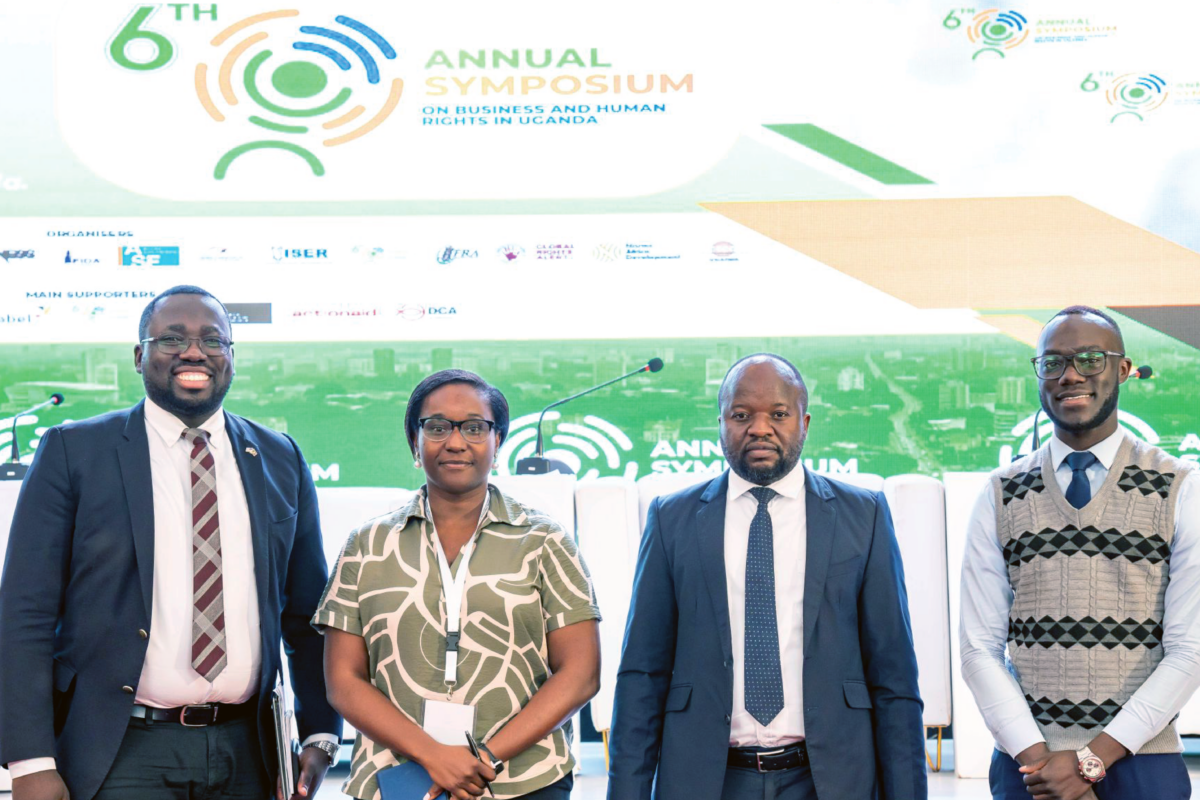
The sixth edition of the Business and Human Rights Symposium in Uganda marked an essential step in Uganda’s journey to foster responsible and rights-respecting business conduct. Hosted on November 4-5, 2024, the symposium brought together over 200 participants from government, the private sector, academia, and civil society. It offered a platform to reflect on Uganda’s advancements in implementing its National Action Plan on Business and Human Rights and to consider newer frameworks such as the Corporate Sustainability Due Diligence Directive (CSDDD).

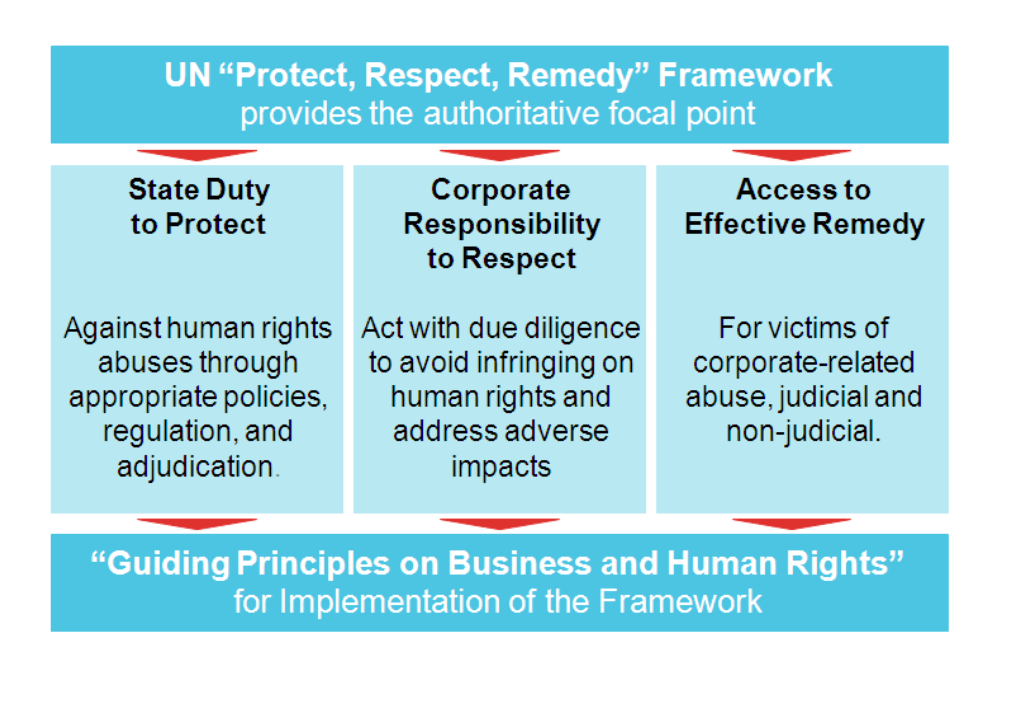
As part of the two-day proceedings, the Collaboration on International ICT Policy for East and Southern Africa (CIPESA) hosted a panel discussion on the interplay between digital innovation and the protection of human rights, highlighting both successes and challenges in Uganda’s tech ecosystem. The panel discussed the United Nations (UN) Guiding Principles on Business and Human Rights and how they align with the technology sector.

Source: Business for Social Responsibility  

Highlighting Uganda’s growing technology sector, including increased mobile and internet penetration as well as digitalisation of private and public services, the session also spotlighted pressing concerns, such as internet disruptions, labour rights violations, gender discrimination, and data protection and privacy, which continue to challenge human rights protections in the country’s growing digital economy.

Joel Basoga, Head of Technology Practice at H&G Advocates, stated that ​​it was “essential” for businesses in Uganda to embed respect for human rights as a core performance indicator guided by the UN Guiding Principles on Business and Human Rights. He added that for a tech-driven business landscape, legal frameworks surrounding digital rights need to be prioritised.

According to Patricia Ainembabazi, a Project Officer at CIPESA, there was limited understanding of business and human rights in the technology sector. Platforms such as the symposium were crucial in building a thematic understanding of digital rights. 

In 2021, Uganda became the first African country to finalise a National Action Plan on Business and Human Rights (NAPBHR), based on the United Nations Guiding Principles on Business and Human Rights. The plan strengthens the government’s duty to protect human rights, enhances the corporate responsibility to respect human rights, and ensures access to remedies for victims of human rights violations and abuses resulting from non-compliance by business entities.

In October 2024, CIPESA joined the first meeting of the Multi-Sectoral Technical Committee on Business and Human Rights, which supports the Uganda labour ministry’s role of coordinating the National Action Plan and provides technical guidance on all business and human rights interventions. At that meeting, CIPESA made the case for mainstreaming digital rights in the implementation of the action plan and also urged stakeholders to leverage innovative technologies to improve the outcomes of the action plan.

Similar to other countries in Africa, Uganda’s plan does not provide for digital rights protection, yet digital technologies have become central not only to how many businesses operate, but also to how individuals learn, work, socialise, and participate in community affairs. This increased digitalisation has had an impact on the ability of businesses to respect their human rights obligations.

Objectives of Uganda’s National Action Plan on Business and Human Rights
1. To strengthen institutional capacity, operations and coordination efforts of state and non-state actors for the protection and promotion of human rights in businesses;  
2. To promote human rights compliance and accountability by business actors;  
3. To promote social inclusion and rights of the vulnerable and marginalised individuals and groups in business operations;  
4. To promote meaningful and effective participation and respect for consent by relevant stakeholders in business operations; and  
5. To enhance access to remedy to victims of business-related human rights abuses and violations in business operations.

Speakers urged for increased cross-sector collaboration among stakeholders to align national frameworks more closely with the UN Guiding Principles. Opportunities for intervention include a push for robust data protection and privacy protections by the private sector; affordability of the internet and related technologies to ensure access to digital spaces; and raising awareness on digital rights roles and responsibilities for consumers and business owners. The symposium called upon stakeholders such as telecommunication companies, Internet Service Providers (ISP), financial institutions, innovators, and online platform operators to harmonise business goals with digital rights principles.

As part of the implementation of the NAPBHR, CIPESA is part of the newly launched Advancing Respect for Human Rights by Businesses in Uganda project led by Enabel and Uganda’s Ministry of Gender Labour and Social Development. The project is part of the European Union’s support towards the implementation of Uganda’s National Action Plan on Business and Human Rights and focuses on three thematic areas: labour rights in the agricultural sector, natural resource governance and land, and digital rights and internet governance. The project will work with six civil society organisations to drive advocacy, dialogue, and actions that strengthen Uganda’s Business and Human Rights agenda. Additionally, 50 businesses will receive support to implement human rights due diligence aligned with national and international standards.