Accelerating Digital Accessibility and Solutions for Africa’s Future

By Raylenne Kambua |

More than 150 million persons with disabilities across Africa navigate a digital landscape not designed for them, with inaccessible websites, unusable mobile applications, unreachable government services, and educational platforms that often lock them out. This exclusion carries a direct economic cost, which the World Bank estimates at 3–7% of countries’ Gross Domestic Product.

Increasingly, connectivity for persons with disabilities has become less a question of infrastructure coverage and more about accessibility and meaningful usage. While internet services are available to 85% of Africa’s population, 64% of those within coverage do not use them, with persons with disabilities among the most excluded groups. The exclusion has been reinforced by the high costs of devices, with some markets taxing entry-level smartphones up to 50%, making them unaffordable for low-income households.

Figures from the Assistive Technology Landscape in Africa Report show that only one in ten people who need assistive technologies across the continent have access to them, while 85% of mobility devices are still imported. This is a reflection of weak local production systems and heavy reliance on external supply chains.

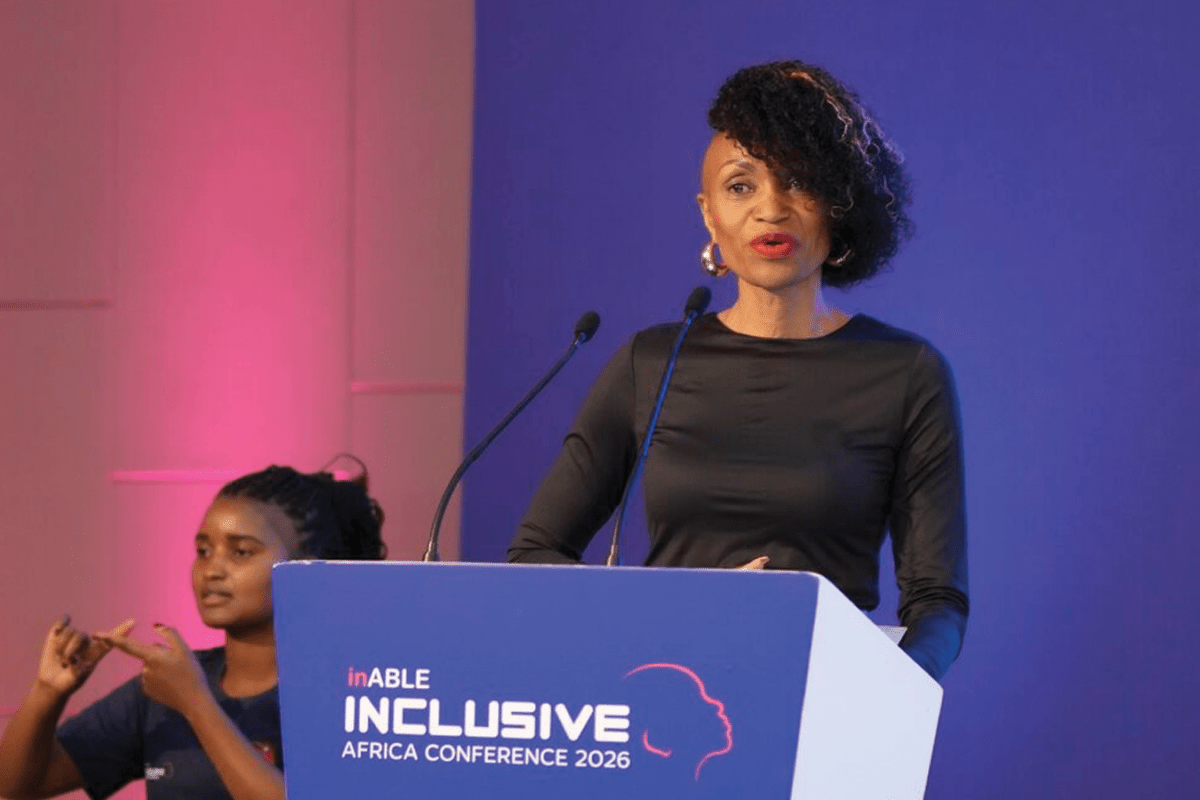
At the seventh Inclusive Africa Conference, convened by inABLE in Nairobi from June 2–4, 2026, conversations examined whether Africa’s fast-expanding digital economy works for everyone or reproduces recurring forms of exclusion.

As Irene Mbari-Kirika, Executive Director of inABLE, noted, many technologies continue to fail because they are not developed with persons with disabilities in mind. This means that such devices can not be used by millions of potential users, and it has direct consequences for several users’ financial autonomy, privacy, and safety, especially in digital financial services such as mobile money.

Africa’s challenge is therefore not only access to assistive technologies, but the absence of a coherent local ecosystem for their design, production, distribution, and implementation. Building a sustainable assistive technologies value chain grounded in local materials, regional manufacturing, and culturally and linguistically relevant design is increasingly central to closing this gap.

The structural barriers to inclusion are deeply embedded across sectors, including in the education sector, where teacher training often excludes digital accessibility, curricula are rarely tested with assistive technologies, and assessment methods continue to assume uniform modes of learning and expression. These gaps, including digital literacy gaps, are compounded by the limited availability of African-language datasets, particularly for learners with communication disabilities, which constrains the development of inclusive digital and artificial intelligence (AI)-enabled learning tools.

Notably, AI presents both opportunity and risk for digital inclusion. The outcome depends on whether inclusion is embedded in design, data, and deployment. On the upside, AI-enabled tools have expanded access for blind and low-vision users, while applications in healthcare are widening access to psychosocial support on a continent with less than two mental health professionals per 100,000 people. Real-time sign language translation and voice-to-text tools are also creating new pathways for participation.

At the same time, without targeted upskilling and bias audits, AI risks simultaneously opening one door for persons with disabilities while closing others. For example, AI systems are automating roles such as data entry, transcription, and customer service, which have historically provided key employment pathways for persons with disabilities. Yet, AI models trained on biased or unrepresentative datasets and automated decision-making processes risk excluding persons with disabilities from recruitment systems.

Mercy Ndegwa, Director of Public Policy for Africa at Meta, stressed this point, noting that AI systems can only reflect communities whose data and voices are included in their design and training. This makes the inclusion of organisations of persons with disabilities in AI governance not only a rights imperative but also a technical requirement for building functional systems.

However, African-language datasets remain severely underdeveloped,  and the cost of building them at scale is prohibitive for most actors.

The launch at the summit of the development of Africa’s first Harmonised Digital Accessibility Standard for ICT Products and Services marks an important step toward continent-wide alignment. The 24-month participatory process targets adoption across all 45 African Organisation for Standardisation (ARSO) member countries. The regional standard will be adapted to African languages, culture, and infrastructural realities, changing the procurement baseline for governments while setting a compliance reference for private technology developers across the continent. Fourteen countries have reportedly confirmed participation.

Throughout the discussions, the principle “Nothing about us without us” remained central, with an acknowledgement that persons with disabilities are contributors, decision-makers, and leaders in designing systems that affect them, and not merely end-users or research subjects to be consulted only after decisions are made. Design consultant Rama Gheerawo framed this through three registers: designing for, designing by, and designing with persons with disabilities as co-creators throughout all processes.

CIPESA has been emphatic that governments, regulators, and telecommunication operators bear the greatest responsibility for digital inclusion for persons with disabilities. Civil society efforts cannot substitute for enforceable action and measurable implementation. Limited capacity to engage in technical standard-setting also continues to hinder progress on digital rights for persons with disabilities. At the same time, fragmented approaches and shifting donor priorities are placing increasing strain on the sustainability of this work.

The European Union (EU) AI Act sets a benchmark for how regulation can protect marginalised groups, while the African Union (AU) Continental AI Strategy provides guiding principles on how AI should be developed, governed, and used across the continent. However, no African has developed definitive AI legislation, although several are developing policies or strategies. As CIPESA has emphasised, AI policy frameworks across Africa must include persons with disabilities from the outset.

More specifically, efforts must be geared toward fixing AI at the source by including representatives of persons with disabilities in training data, ensuring algorithmic accountability, and making AI-powered public services accessible to all. Moreover, all AI regulations and policies must have explicit disability provisions.

Additionally, governments must reduce sector-specific taxes on entry-level assistive devices and assistive technology hardware, and mandate that Universal Service Access Fund disbursements include explicit, measurable targets for connectivity for persons with disabilities.
CIPESA Celebrates Africa’s Changemakers in the Disability Digital Rights Space

By Paul Kimumwe |

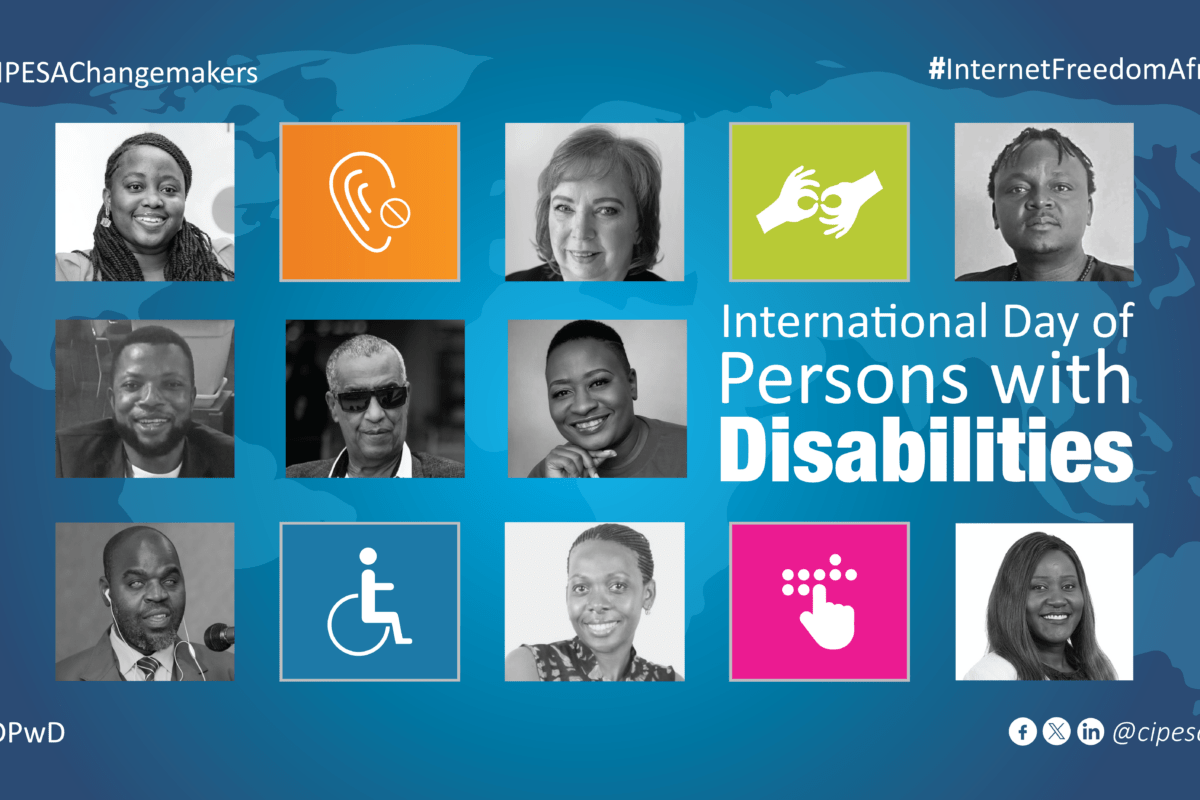
As part of events to mark last year’s (2025) International Day of Persons with Disabilities, the Collaboration on International ICT Policy for East and Southern Africa (CIPESA) documented reflections and insights from several individuals who have been instrumental in shaping the digital rights of persons with disabilities in Africa.

Over the last few decades, the rights of persons with disabilities have remained constrained. It has been more than 30 years since the United Nations General Assembly designated December 3 as the International Day of Persons with Disabilities, with the goal of raising awareness about the rights and well-being of persons with disabilities. In 2006, the United Nations adopted the Convention on the Rights of Persons with Disabilities (CRPD) to ensure that the human rights and fundamental freedoms of persons with disabilities are promoted, protected, and fully and equally enjoyed.

Over the years, other global and regional frameworks, including the Protocol to the African Charter on Human and Peoples’ Rights on the Rights of Persons with Disabilities in 2018, the 2030 Agenda for Sustainable Development, and the Marrakesh Treaty in 2013, were adopted to augment the rights of persons with disabilities at all levels.

While several African nations have adopted disability-friendly legislation, achieving meaningful implementation remains a challenge. At the regional level, it took more than six years for the African Disability Rights Protocol to come into force due to the failure to secure the required 15 member state ratifications. 

As the continent embraces digitalisation, many persons with disabilities are increasingly getting left out due to the inaccessibility of the new technologies, discriminatory implementation practices, and the high costs of connectivity.

Despite these challenges, several stakeholders have been at the forefront of ensuring that persons with disabilities are not left behind. They include persons with lived experiences, academics, civil society advocates, and government officials. Over the coming weeks, CIPESA will share the profiles, experience, and insights of changemakers who have made an impact in shaping the digital rights for persons with disabilities in Africa. Our hope is that these reflections will continue to inspire disability rights actors to build and foster collaborations and partnerships that advance and promote disability rights in Africa. These include

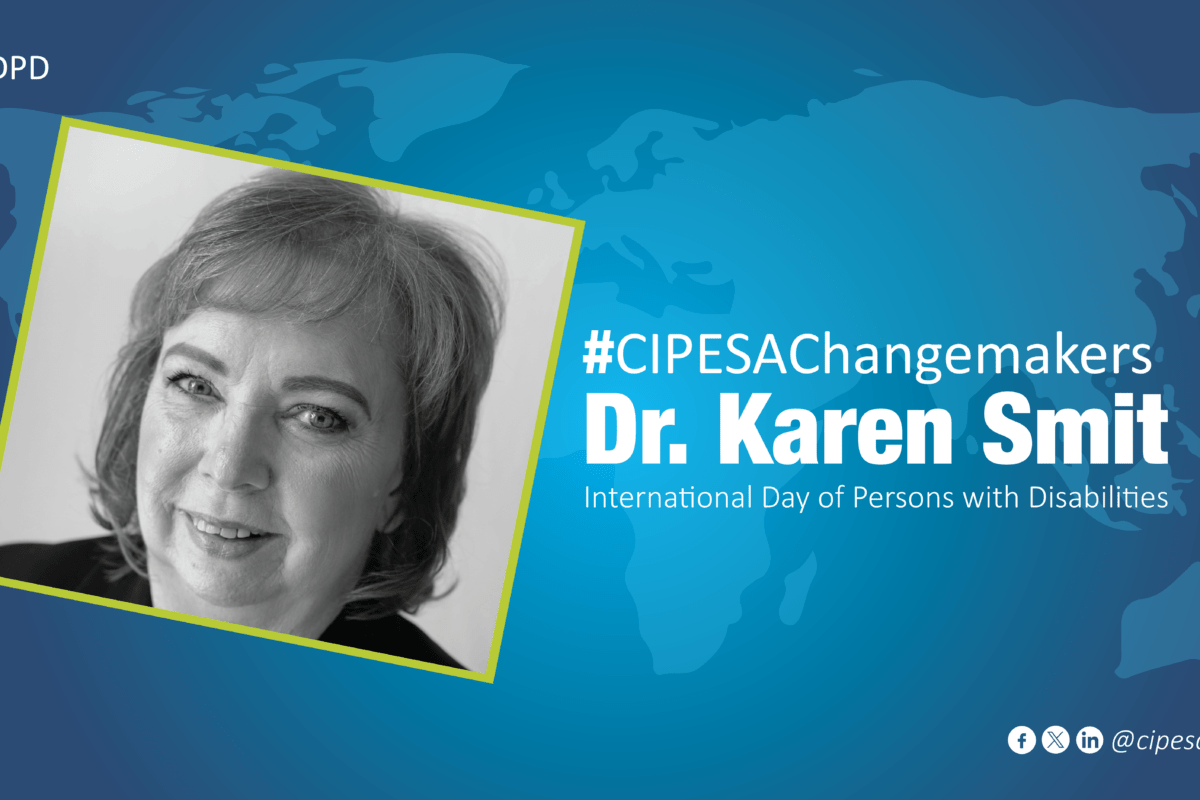
  1. Dr. Karen Smit, PhD, Accessibility Lead | Group External Affairs | Chairperson: Vodacom Africa Accessibility Forum
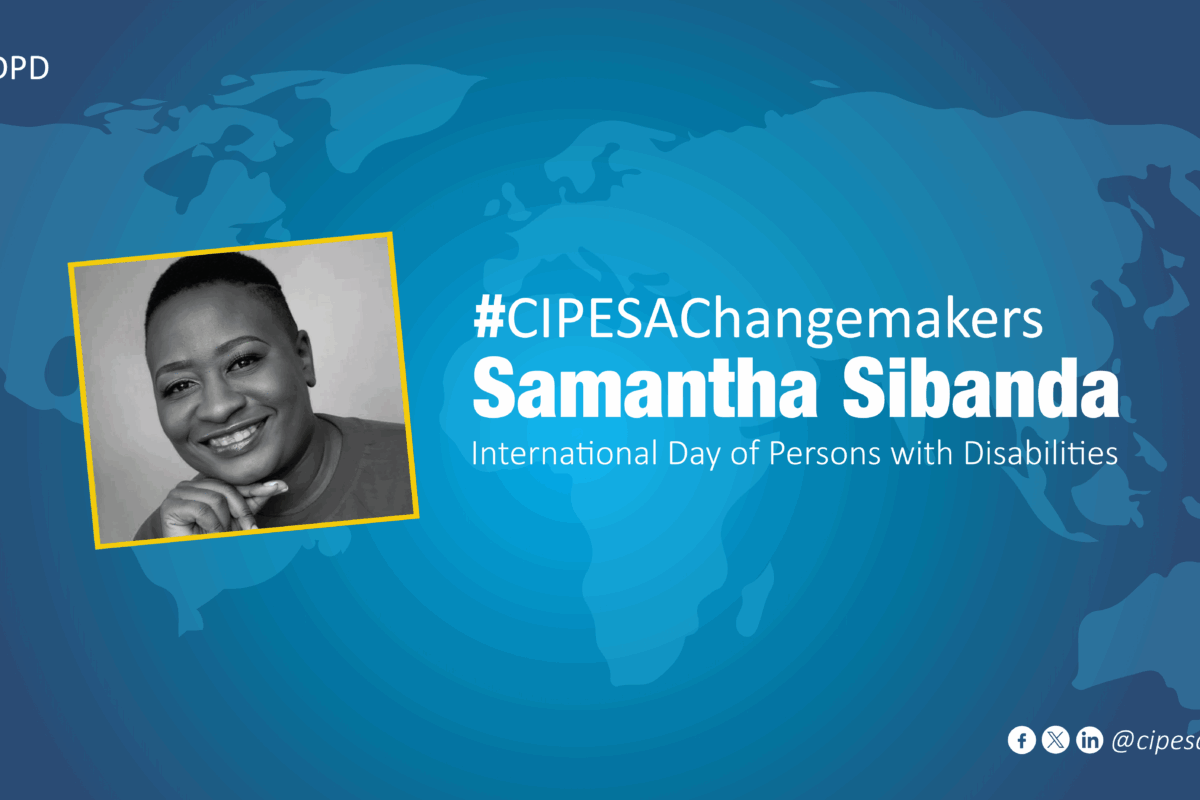
  2. Samantha Sibanda, Founder and Executive Director, Signs of Hope Trust, Zimbabwe
  3. Dr. Abdul Busuulwa, PhD, Lecturer, Kyambogo University in the Department of Community and Disability Studies, and Board Member, CIPESA, Uganda.
  4. Dr. Dianah Msipa, PhD, Manager, Disability Rights Unit/Postdoctoral Fellow: Center for Human Rights, University of Pretoria.
  5. Ahouty Kouty, MA, Founder and Executive Director, Action et Humanisme, Ivory Coast.
  6. Sarah Kekeli Akunor, Lead, Inclusion, Gender, and Safeguard at Mastercard Foundation’s Alumni Network Committee | Secretary for Gender, Equity, and Inclusion at the Ghana Youth Federation.
  7. Mohamed Kimbugwe, Digital Governance and Innovation Advisor/DataCipation, GIZ African Union.
  8. Berhanu Belay Wondimagegne, Executive Director, TOGETHER, Ethiopia
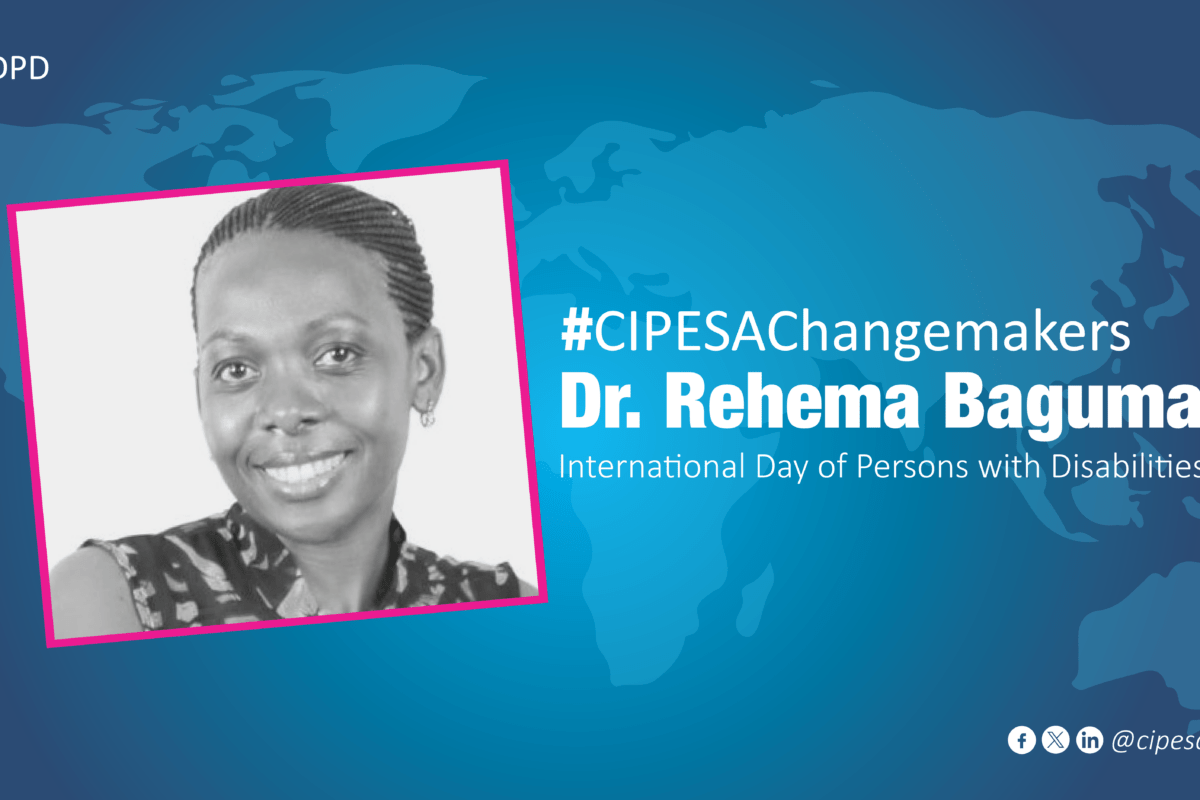
  9. Dr. Rehema Baguma, PhD, Associate Professor of Information Systems,  Makerere University in Uganda.

Dr. Rehema Baguma

Who is Dr. Rehema Baguma?

I am Rehema Baguma, currently working at Makerere University in Uganda, where I serve as an Associate Professor of Information Systems. My research interests include: Digital Inclusion, Data & AI Governance, EduTech & eGovernance. I have extensively researched and consulted in Uganda and neighbouring countries to make ICTs accessible to persons with Disabilities, among other areas. I have had the privilege of engaging in a series of industry initiatives in collaboration with government agencies, CSOs, international actors and DPOs. Notable among these include:

  • Development of ICT Accessibility and Disability Indicators-A framework for monitoring Obligatory National Implementation of ICT Accessibility for the Fulfilment of the Human Rights of Persons with Disabilities for the ICT Policy Centre for Eastern and Southern Africa (CIPESA), in 2018.
  • Leading a research study on the Audit of Inclusive ICTs for Education in Uganda, which established the extend to which ICTs used in education are accessible to Persons with Disabilities (May to September 2015).
  • Training of over 100 Government Web Administrators and Public Relations Officers (PROs) in Uganda in Web Accessibility in 2016.
  • Development of an Implementation Strategy of the Digital Talent Policy (DTP) for Persons with Disabilities in Rwanda (June 2017–January 2018).
  • Sensitisation and training of Policy Makers from Government Ministries, Departments and Agencies about ICTs used by Persons with Disabilities and Monitoring ICTs and Disability Policy in Uganda, in April 2018.
  • Member of the project on promoting the Rights of Persons with Disabilities Access to inclusive education and information in Uganda in partnership with UNESCO, UNICEF & National Union of Disabled Persons in Uganda (NUDIPU) between 2015 to 2017.
  • Contributor to the ICT for Inclusive Education policy for Uganda (draft)
  • Contributor to the National ICT for Disability policy for Uganda (draft)

My motivation came during my PhD research, which focused on Web accessibility through the Web Content Accessibility Guidelines. I was led to the area by a senior staff member at my School at the time, who told me that ICT accessibility could be a good area to research. My PhD research was on “Making the Web accessible to Persons with Disabilities through the Web Content Accessibility Guidelines” which demonstrated that the guidance given in WCAG (the most comprehensive and widely used set of Web accessibility guidelines developed by W3C) is relevant to the Web accessibility problems faced by people with disabilities; that WCAG has a higher potential to influence the development of accessible Web based systems save for its usability limitations; and proposed a solution to the usability limitations of WCAG grounded in a broader mature field of information retrieval. After completing my PhD, I felt compelled to apply the results of my research in practice, which led to several collaborations and assignments within Uganda and abroad.

There is an increasing awareness and appreciation of the need for and possibilities of digital rights, as well as the inclusion of people with disabilities, through advocacy, training, development, and the implementation of digital rights/inclusive ICT policies. This also includes the development of more inclusive technologies and platforms. For example, in June 2025, the government of Kenya committed to making all its digitised public services accessible to persons with disabilities, in alignment with the Accessibility Standard for Digital Products.  Additionally, there is an increasing number of advocacy initiatives focused on digital inclusion for people with disabilities. For instance, the Global Accessibility Awareness Day (GAAD) has evolved into an advocacy platform for inclusive policy audits, innovation labs for assistive technologies, and training programs to build capacity for disability rights advocacy and technology development.

There is an increase in the development of AI-driven Assistive Technologies and Tools for persons with disabilities, including those customised for the African context. For example, Signvrse, a Kenyan startup, is developing AI-powered sign language translation toolsthat convert speech and text into visual representations of sign language. Additionally,there are several advocacy and capacity-building efforts in different parts of Africa, such as accessibility audits, innovation labs, and fellowship programs to support affordable, local assistive technologies, and train Activists to advance digital inclusion for Persons with Disabilities.

The key threats and challenges to the digital rights and inclusion of people with disabilities in Africa are gaps in policy implementation and enforcement, the high cost and inaccessibility of assistive technologies, and general infrastructure gaps. Most African countries have progressive laws and policies regarding disability and ICT access; however, these often remain on paper due to a lack of political will and weak enforcement mechanisms. For instance, a legal requirement for all TV stations to provide sign language interpretation is often ignored. Also, government websites and e-services, which are increasingly vital for accessing public services, are frequently not designed to be accessible to people with disabilities (e.g., lacking alt text for screen readers or video captions). Further, essential assistive devices and software (like screen readers, Braille displays, and speech input software) are often expensive and out of reach for most people with disabilities who are, on average, poorer than their mainstream counterparts.

Additionally, unreliable electricity, poor internet connectivity, and the high cost of mobile data in many rural and remote areas create fundamental barriers to access for disadvantaged groups like People with Disabilities. Additionally, AI systems, including those used in screening for admission to educational institutions and job recruitment, may amplify existing discrimination and perpetuate negative stereotypes if not designed with accessibility and inclusion in mind. Moreso, the continent-wide limited availability of reliable and disaggregated data on the challenges faced by different disability groups continues to negatively impact the design and implementation of targeted interventions and policies. 

Building trust, fostering strong partnerships, and promoting regional collaboration in Africa’s disability rights movement requires intentional structures, shared power, and sustained dialogue among governments and various stakeholders.  There is a need for a shared rights-based framework grounded in the UN Convention on the Rights of Persons with Disabilities (CRPD) and African human rights instruments. People with disabilities and their representative organisations must be decision-makers, not just consultees, in line with the principle of “Nothing About Us Without Us”.  Also, tracking commitments and progress should be spearheaded by independent monitoring mechanisms led by Disabled Persons’ Organisations (DPOs). Furthermore, there is a need to establish permanent regional or sub-regional forums on disability rights and digital inclusion, rather than holding one-off events. These can be organised into thematic working groups (e.g., digital accessibility, education, employment, media, assistive technology, AI, etc.). Examples of good practice include national and regional Internet Governance Forums (IGFs) that feature disability-focused tracks, as well as the AU- or REC-hosted Disability and Digital Inclusion Roundtables, which have rotating leadership. Additionally, there is a need to utilise regional standards to align efforts and reduce fragmentation, thereby facilitating easier collaboration across borders. Furthermore, there is a need to invest in capacity building across all sectors on accessibility, disability budgeting, and inclusive policy design for governments; disability-inclusive and non-stigmatising reporting for journalists; universal design and accessibility testing for the tech development community; and policy, research, and digital skills for DPOs.

There is a need to implement community-led digital literacy, design accessible & affordable technology, create inclusive policies, foster multi-stakeholder partnerships (including NGOs, tech companies, and government), and collect disaggregated data to tailor programs to their specific needs. Additionally, it is important to involve these groups in decision-making to foster trust and develop solutions that address the unique barriers of cost, accessibility, and safety concerns. 

There is a need to promote research and innovation in ICT and disability/ICT accessibility for persons with disabilities, which can inform local policy, practice (including the development of interventions), and technology development for persons with disabilities. To date, most efforts have focused on advocacy, policy development, capacity building, and, to some extent, the development of assistive technologies. Grounding these initiatives in research can lead to more effective policies, practices and local assistive technologies.

Dr. Karen Smit

Who is Dr. Karen Smit?

I am a mother, wife, sister, expert, and a professional with a disability who has dedicated my life to advocating for the inclusion of persons with disabilities in Africa. My lived experience has shaped my worldview and strengthened my commitment to social justice, particularly in advancing digital inclusion, so that persons with disabilities can fully enjoy their human rights and access opportunities. For 28 years, I have worked at Vodacom, driving disability inclusion and influencing systemic change.

I have been married to my wonderful husband for 31 years, and being a mom reminds me every day that miracles do happen.

My journey as a disability and digital rights advocate began shortly after completing my undergraduate studies in the 1990s, when I realised the power of using my voice to make a meaningful difference in people’s lives. I completed my MA in Social Work at the University of Stellenbosch, where I identified barriers to employment for individuals with disabilities and provided guidelines for line managers on the successful recruitment of candidates with disabilities.

The turning point came when I experienced the enabling role of technology firsthand. Becoming a user of accessible technology revealed its power to open doors, level the playing field, and create opportunities. This realisation fueled my passion to drive accessibility and digital inclusion across Africa. My vision is clear: I want all Africans with disabilities to fully participate in the digital society and economy – accessing opportunities, resources, and becoming active citizens who contribute to economic empowerment.

Over the past 28 years at Vodacom [in South Africa], my advocacy has deepened significantly as I pushed for inclusive innovations. The company’s senior leadership created a platform that empowered me to champion inclusion for employees and consumers with disabilities. The unwavering support of Vodacom’s Group CEO and senior leaders has been transformative – shifting the focus from a “tick-box” approach to embedding inclusion systemically into the company’s technology, products, services, and processes, in alignment with Vodacom’s Purpose Strategy.

Having worked for Vodacom for many years and being responsible for driving the accessibility agenda for consumers with disabilities sparked my interest in pursuing a PhD in disability studies, with a focus on developing a Framework for promoting the digital inclusion of disabled consumers that companies can implement.

There has been some progress in expanding digital rights and inclusion for persons with disabilities in Africa, but it remains limited. In many ways, we are still only scratching the surface. I am, however, encouraged that some countries are taking active steps to promote disability inclusion, which is a positive sign. Most African nations have disability legislation and regulations in place, which is commendable.

However, the real challenge lies in implementation and creating real impact. Progress is slow, and without effective enforcement and commitment, transformation stalls, leaving behind many persons with disabilities.

Vodacom markets have several disability inclusion initiatives, including creating inclusive workplaces, accessible contact (customer service) centres, and retail stores offering multiple communication channels for persons with various disabilities. Additionally, digital centres provide smartphones and digital skills training to organisations for persons with disabilities.

The company also provides text Emergency Services for Deaf, hard-of-hearing, and persons with speech disabilities, accessible apps such as M-Pesa and VodaPay for visually impaired users, [it] hosts the annual Africa Accessibility conference, and offers tailor-made packages for disabled contract users, as well as training for store consultants.

Furthermore, the African Union (AU) Protocol to the African Charter on Human and Peoples’ Rights (ACHPR) on the Rights of Persons with Disabilities in Africa recently came into effect to protect and promote the rights of persons with disabilities across Africa. In 2025, Kenya enacted a progressive Persons with Disabilities Act, 2025 (Act No. 4 of 2025), marking a major milestone in disability inclusion and rights protection.

Research indicates that there are several barriers that persons with disabilities face, such as affordability, a lack of digital skills, and limited access to devices. Women with disabilities and those in rural areas face compounded barriers due to cultural norms, infrastructure gaps, and affordability challenges.

Meanwhile, with the emergence of new technologies, intentional efforts must be made to ensure that Artificial Intelligence (AI) systems are not trained on biased datasets that fail to represent persons with disabilities. Innovators must prioritise accessibility when designing solutions for smart cities, environmental sustainability, safety, security, and tourism.

To stay ahead, we must involve the disability community at every stage – from the conceptualisation of innovations to implementation – ensuring their voices shape innovation. This transforms persons with disabilities from passive beneficiaries into active partners and co-creators of solutions for a barrier-free Africa.

To build trust, foster partnerships, and strengthen regional collaboration among African stakeholders in the disability rights movement, it is essential to create a unified ecosystem that drives systemic change. These actors must recognise that disability is a natural part of the human experience and that exclusion stems from societal barriers, not just individual limitations. When these barriers are removed, persons with disabilities can fully exercise their rights and participate equally in all aspects of life.

Efforts to promote digital rights and inclusion in Africa must intentionally address how disability intersects with other marginalised identities – such as women, youth, and older persons – so that no one is left behind. Women with disabilities represent more than half of all persons with disabilities worldwide, and yet they continue to face numerous barriers, including being less likely to hold leadership roles, to be employed, to use the internet, and to experience barriers to sexual and reproductive healthcare. Their voices and specific needs must be prioritised and integrated into every stage of innovation and policy development to ensure an inclusive society for all.

Samantha Sibanda

Who is Samantha Sibanda?

I am a human rights advocate and survivor of mental health issues who has dedicated the past decade of her life to championing the rights of persons with disabilities. In 2014, I founded the Signs of Hope Trust, an organisation for persons with disabilities, which focuses on access to information, digital rights, and inclusion, as well as inclusive civic engagement and public finance management.

I am also a trainer in the Freedom of Information Act, selected by the Zimbabwe Media Commission to support government entities and the public in understanding the Act and improving transparency and accessible information practices. My advocacy work is grounded in the principles of Ubuntu, which utilise community-driven and collaborative approaches to achieve change.

My motivation to work on disability and digital rights stems from a combination of personal experience and what I’ve observed in my own community. As a survivor of mental health challenges, I was drawn into advocacy through my own journey, and I continue to support community-based rehabilitation and mental health champions in my work.

As for digital rights, it grew naturally from my work at Signs of Hope Trust. For many years, we shared information via WhatsApp and other platforms to bridge information gaps for persons with disabilities. However, at the peak of the COVID-19 pandemic, between 2020 and 2021, the disability digital divide became more apparent. Everything shifted to online, including education, communication, and public services, and many individuals with disabilities were left behind due to inaccessible technologies, limited data, or a lack of access to devices.

That moment pushed me to focus intentionally on digital inclusion. We also added Digital Rights as a core programming area at Signs of Hope Trust, and I have continued to champion this work from the grassroots level, where our communities are most affected.

There have been tremendous efforts to expand digital rights and inclusion for persons with disabilities in Africa. The digital divide related to disabilities has become a key topic at most digital rights convenings that I have been privileged to attend. Regionally, the AfricanUnion (AU) Protocol to the African Charter on Human and Peoples’ Rights (ACHPR) on the Rights of Persons with Disabilities in Africa came into force in May 2024, reinforcing the legal basis for accessible ICT [Information and Communications Technology], barrier-free access to communication systems, and the right to information.

Alongside this, more organisations are adopting accessibility standards, governments are integrating disability inclusion into national digital strategies, and communities are increasingly vocal about the need for accessible online services. While gaps remain, the momentum is good, and the conversation is shifting from awareness to implementation.

I want to commend CIPESA for developing the Disability& ICT Accessibility Framework Indicators. I have personally used these in our research in Zimbabwe, and I have seen more studies that have used them.  This is a crucial tool for data-driven advocacy and enhancing access to ICT for persons with disabilities.

Additionally, Universal Service Funds are increasingly being used to finance assistive technologies and expand connectivity, while community-based efforts, such as community networks supported by the Internet Society, are bringing internet access to remote areas. In Zimbabwe, there are community information centres which provide shared devices, internet connectivity, and training spaces for persons with disabilities who may not have individual access. Lastly, emerging satellite internet solutions, such as Starlink, are bringing reliable internet access to remote areas.

These innovations, when combined with accessible design, digital literacy programmes, and advocacy for inclusive policy, are creating practical pathways for persons with disabilities to participate fully in the digital world.

There are several pressing challenges that threaten digital rights and inclusion for persons with disabilities in Africa. One emerging concern is the rise of Artificial Intelligence (AI) tools, such as generative AI chatbots and image generators, which can reproduce harmful biases and create misinformation that is difficult to fact-check. This disproportionately affects persons with disabilities, who often lack access to digital literacy and critical information verification skills. Information disorders, including deepfakes and manipulated content, further exacerbate these risks.

Ableism remains another persistent barrier, carried into online spaces and contributing to self-censorship or exclusion of persons with disabilities from digital participation. It also shapes whose voices are considered in policymaking, often leaving persons with disabilities sidelined in laws and digital governance.

I often reference the seven pillars of inclusion, and when contextualised to digital rights, several stand out. First, inclusive policy frameworks must provide tangible ways to embed the needs of these groups into national and regional digital strategies and practices. Communication should be accessible, transparent, timely, multilingual, and adaptable to diverse abilities, ensuring that information reaches everyone.

Offering choice in how people engage digitally allows communities to use tools and platforms that best suit their needs. Building strong partnerships across government, civil society, industry, and community networks amplifies impact and accountability. Accessibility must be prioritised in both digital content and devices, ensuring that platforms are usable by all. Web accessibility guidelines should be applied when developing websites to ensure they are accessible to all users.