By CIPESA Staff |
Across the African continent, including in Côte d’Ivoire, governments are increasingly adopting digitalisation programs aimed at improving efficiency and effectively delivering public services.
In March 2025, the Ivorian government launched the Electronic Administration Support Project (PARAE), whose objective is to improve the quality and coverage of public services through the digitisation of administrative procedures. Six months later, in September 2025, the government launched the Public Administration Interoperability Platform, which is part of the country’s National Digital Development Strategy and aligns with the government’s ambition to achieve a “Zero Paper” administration by 2030. The platform will help streamline government processes, eliminate bureaucratic silos, and accelerate the digitisation of public services. Earlier in November 2024, the government launched two additional initiatives aimed at enhancing connectivity, developing public digital systems, and identifying key technical and policy priorities in Côte d’Ivoire’s digital sector. These initiatives are complemented by universal access efforts from the Agence Nationale du Service Universel des Télécommunications/TIC (ANSUT), which include the nationwide rollout of a fibre-optic network, broadband connectivity for rural communities, as well as digital literacy and skills programs.
However, despite these developments and an increased reliance on digital technologies, persons with disabilities continue to face significant barriers as they navigate and explore digital platforms and services. Many government websites remain inaccessible to persons with disabilities, especially those with motorized, visual, auditory, and cognitive disabilities and those who are neurodivergent, as the websites are not built in compliance with the Web Content Accessibility Guidelines. According to Ahouty Kouakou, the Executive Director of Action et Humanisme, a Côte d’Ivoire-based disability rights organisation, the inaccessibility of websites undermines the meaningful participation of persons with disabilities in decision-making processes, particularly as they cannot effectively exercise their rights to access information and freedom of expression.
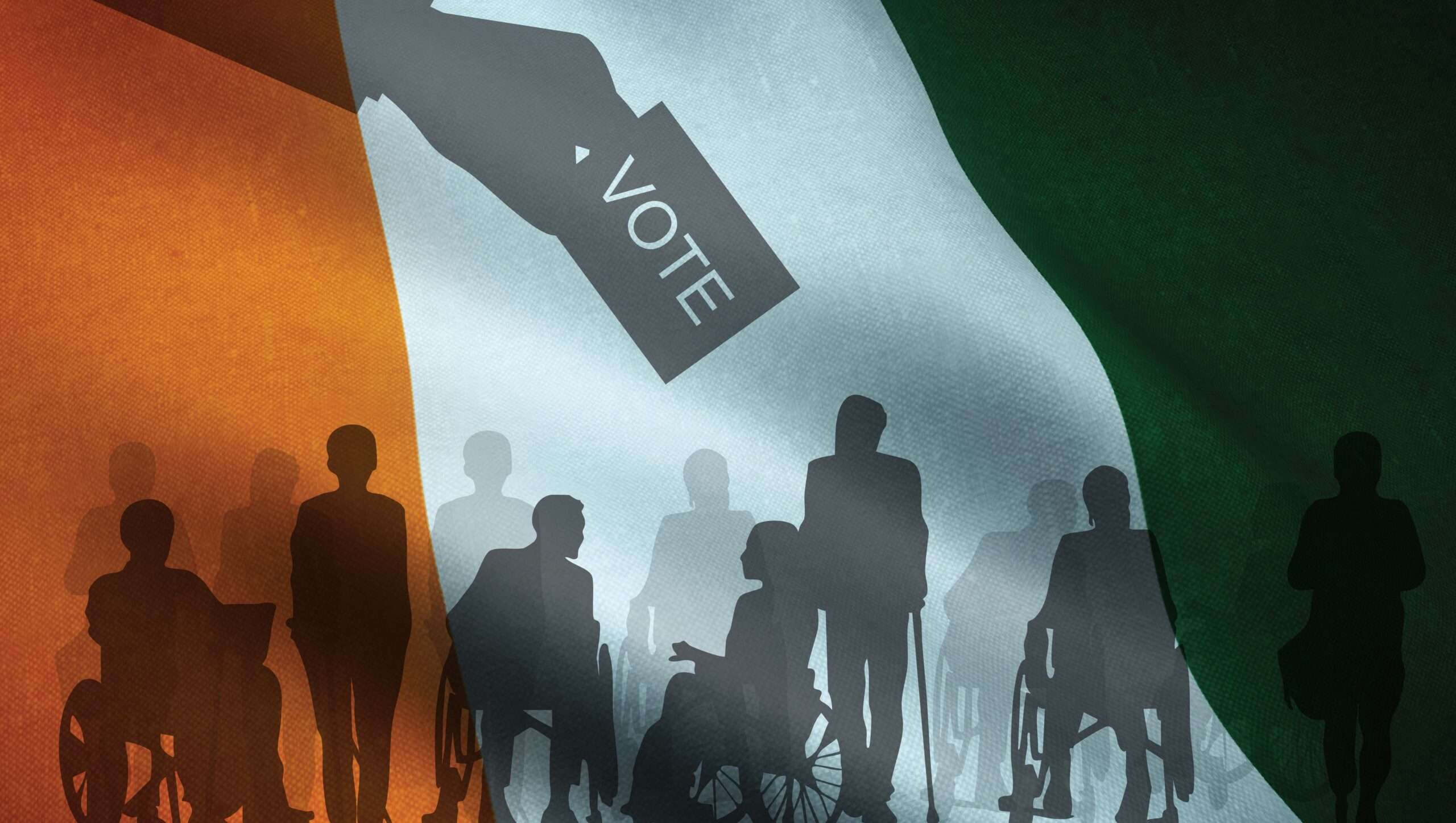
It was against this background that Action et Humanisme, with support from the Collaboration on International ICT Policy for East and Southern Africa (CIPESA)’s Africa Digital Rights Fund (ADRF), built the capacity of 100 disability rights activists in digital rights, focusing on web accessibility and disinformation in the context of elections. The trainings, which were held in the lead-up to the October 2025 presidential elections, targeted four regions: Abidjan, Gagnoa, Oume, and Agbouile.
Kouakou notes that many persons with disabilities and disability rights actors lack the necessary knowledge and skills to advocate for digital inclusion. Through the trainings and campaigns, Action et Humanisme has increased awareness and understanding, leading to improved digital inclusion for persons with disabilities. During the workshops, participants explored the policy and practice landscape at both national and international levels, as well as opportunities for reform.
Nguessan Seka Privat: “Through this training, I noted that web accessibility is a fundamental right. We must defend it wherever we are to build an inclusive digital world.”
Nadège Takoué: “I am happy to participate in this training that allowed me to know my digital rights and the benefits of web accessibility.”
Gragba Severin, an Expert in Digital Economy Development Strategy and Digitalization, from the Ministry of Digital Transition and Digitalization, who was one of the speakers during the training workshops, noted that Côte d’Ivoire’s has enacted several policies as part of the country’s digital transformation journey, including Law No 2024-352 of 6 June 2024 on electronic communications (“Law on Electronic Communications”) which contains measures to enable inclusive access for persons with disabilities. Unfortunately, implementation has been slow, thus hampering progress towards achieving the country’s set goals.
According to Kouakou, the ADRF-supported engagements are a major step in promoting digital inclusion and disability rights in Côte d’Ivoire, as Action et Humanisme was able to strengthen its collaborations with the ministry and expand the knowledge levels among actors. They were able to engage with the Ministry of Digital Transition and Digitalization as it reviews its digital transition policy, with a particular focus on prioritising persons with disabilities.
According to Ashnah Kalemera, Programme Manager at CIPESA, the ADRF has enabled CIPESA to support African grassroots organisations such as Action et Humanisme in building their resilience and capacity to advocate for digital rights in Africa. Kalemera notes that as Africa embraces digitalisation, it is critical that digital rights actors across the continent are equipped with the necessary knowledge, skills, and resources to meaningfully participate in shaping the direction of the digital transformation.