By Paul Kimumwe |
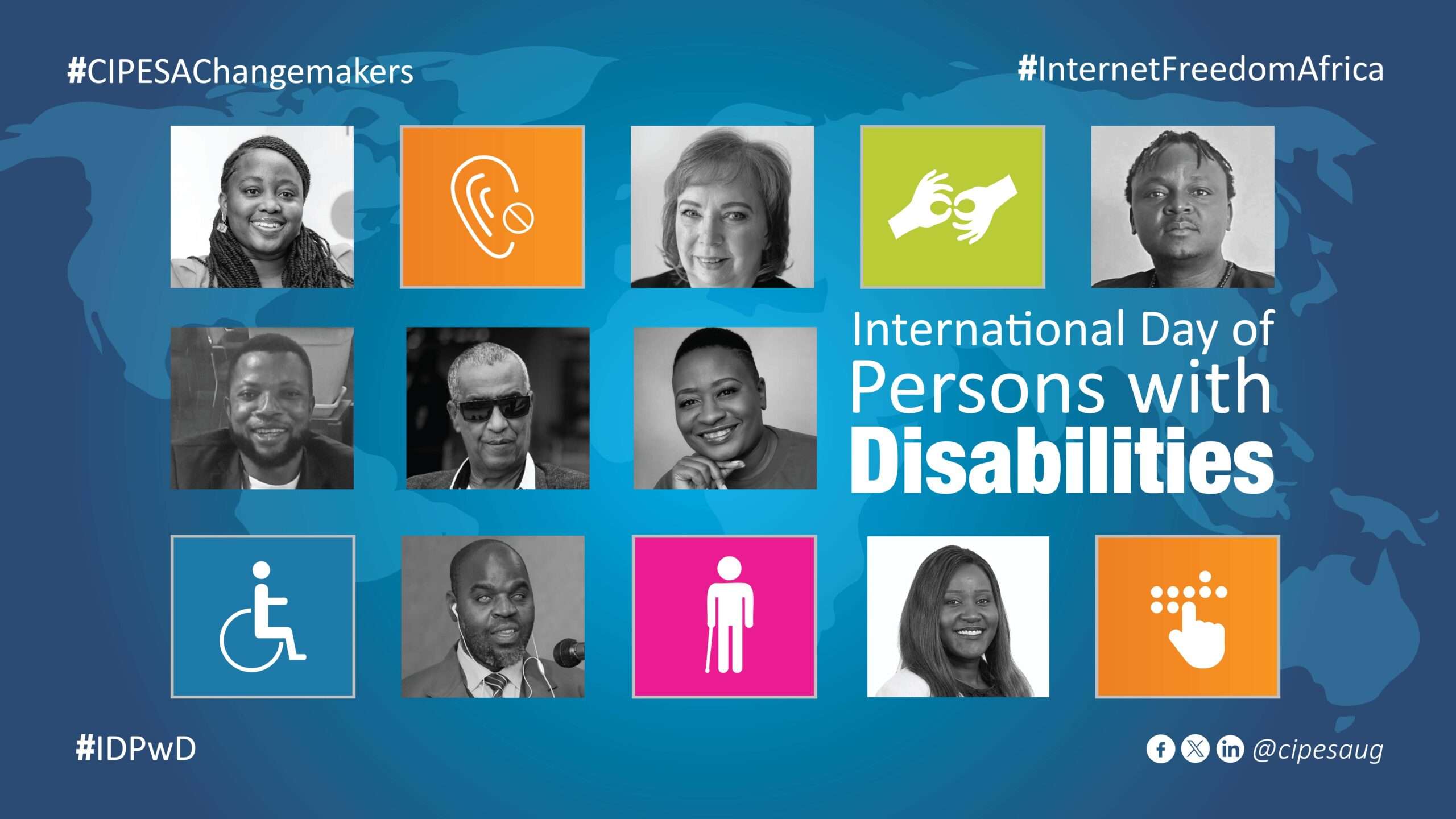
As part of events to mark last year’s (2025) International Day of Persons with Disabilities, the Collaboration on International ICT Policy for East and Southern Africa (CIPESA) documented reflections and insights from several individuals who have been instrumental in shaping the digital rights of persons with disabilities in Africa.
Over the last few decades, the rights of persons with disabilities have remained constrained. It has been more than 30 years since the United Nations General Assembly designated December 3 as the International Day of Persons with Disabilities, with the goal of raising awareness about the rights and well-being of persons with disabilities. In 2006, the United Nations adopted the Convention on the Rights of Persons with Disabilities (CRPD) to ensure that the human rights and fundamental freedoms of persons with disabilities are promoted, protected, and fully and equally enjoyed.
Over the years, other global and regional frameworks, including the Protocol to the African Charter on Human and Peoples’ Rights on the Rights of Persons with Disabilities in 2018, the 2030 Agenda for Sustainable Development, and the Marrakesh Treaty in 2013, were adopted to augment the rights of persons with disabilities at all levels.
While several African nations have adopted disability-friendly legislation, achieving meaningful implementation remains a challenge. At the regional level, it took more than six years for the African Disability Rights Protocol to come into force due to the failure to secure the required 15 member state ratifications.
As the continent embraces digitalisation, many persons with disabilities are increasingly getting left out due to the inaccessibility of the new technologies, discriminatory implementation practices, and the high costs of connectivity.
Despite these challenges, several stakeholders have been at the forefront of ensuring that persons with disabilities are not left behind. They include persons with lived experiences, academics, civil society advocates, and government officials. Over the coming weeks, CIPESA will share the profiles, experience, and insights of changemakers who have made an impact in shaping the digital rights for persons with disabilities in Africa. Our hope is that these reflections will continue to inspire disability rights actors to build and foster collaborations and partnerships that advance and promote disability rights in Africa. These include
- Dr. Karen Smit, PhD, Accessibility Lead | Group External Affairs | Chairperson: Vodacom Africa Accessibility Forum
- Samantha Sibanda, Founder and Executive Director, Signs of Hope Trust, Zimbabwe
- Dr. Abdul Busuulwa, PhD, Lecturer, Kyambogo University in the Department of Community and Disability Studies, and Board Member, CIPESA, Uganda.
- Dianah Msipa, PhD, Manager, Disability Rights Unit/Postdoctoral Fellow: Center for Human Rights, University of Pretoria.
- Ahouty Kouty, MA, Founder and Executive Director, Action et Humanisme, Ivory Coast.
- Sarah Kekeli Akunor, a member of the Mastercard Foundation’s Alumni Network Committee.
- Mohamed Kimbugwe, Digital Governance and Innovation Advisor/DataCipation, GIZ African Union.
- Berhanu Belay Wondimagegne, Executive Director, TOGETHER, Ethiopia
- Rehema Baguma, academic and disability rights researcher, Makerere University in Uganda