By Arsene Tungali |
In the past seven years, citizens in the Democratic Republic of Congo (DRC) have experienced a series of intentional interruptions to online communications, affecting the exercise of rights to freedom of expression and information as well as access to services.
The first shutdown of digital communications reported in DRC was in December 2011. The shutdown affected SMS, and lasted 25 days. At the time, few people appreciated the magnitude of this state-initiated act or knew how to respond to it.
The SMS shutdown came in the aftermath of the general elections but just before the announcement of the election results. One of the reasons cited by the government for blocking communication was to prevent the spread of fake results over the internet before the electoral commission announced official results. This SMS communications shutdown went largely unnoticed by the global community who had been captivated earlier in the year by the January 2011 Egyptian internet shutdown.
Three years later in January 2015, the Congolese government again ordered telecommunications companies to block access not only to SMS but also the internet. This shutdown came on the backdrop of protests against a proposed electoral bill. Whereas banks and government agencies were granted access to the internet four days after the shutdown, the general public did not regain access until after three weeks.
The most recent Internet shutdown in DRC occurred on December 19, 2016 – the day President Joseph Kabila was supposed to step down as head of state. There were a lot of planned protests across the country against the president’s stay in office beyond the two term limit, in response to which the government ordered telecom operators to block to social media sites as an attempt to thwart mobilising by protestors.
Recent statistics show that for a population of over 70 million, only 4% of the inhabitants are connected to the Internet due to limited infrastructure and high access costs. Nonetheless, those with access are exploiting various online tools for communication, discourse on governance and activism. According to the State of Internet Freedom in DRC 2016 report, political parties maintain WhatsApp groups for strategic planning of campaign rallies. Meanwhile, through trending hashtags on social media, activists and ordinary citizens create public awareness on issues such as arbitrary arrests and other human rights concerns.
Government actions such as shutdowns, alongside surveillance and censorship practices as documented in the 2016 report, undermine the development of inclusive internet society in the central African country.
“There should be more effort towards developing infrastructure, progressive legislations, private sector investment, local content in local languages and more trainings in digital rights and digital security.” State of Internet Freedom in DRC 2016
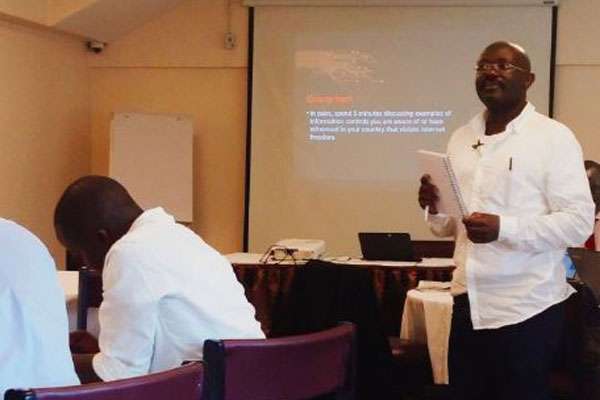
As internet users have become more conscientious of their online rights, many activists and Internet users have turned to the use of Virtual Private Networks (VPN) to circumvent internet blockages. Many more are interested in taking digital security trainings, which explore topics like encryption, mitigating surveillance and tools for safe online communication.
“We knew nothing about VPNs until Internet was blocked in the DRC.” DRC Journalist
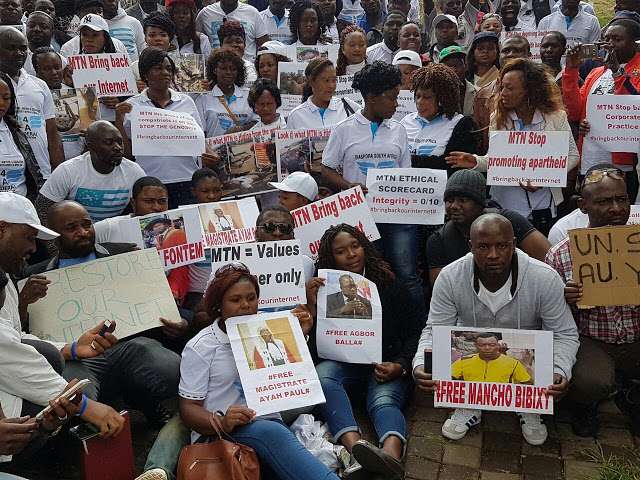
The trend of governments initiating internet shutdowns, not only in DRC, has attracted global condemnation. In many cases, these calls have gone unanswered by government officials and communication regulators, leading many to believe that this trend is likely to continue. In the spirit of the multi-stakeholder model of internet governance, other actors (not only government) should continue to play active roles to counter this practice or to support initiatives aimed at promoting more access and affordability in developing countries.
- Continued pressure on governments: Stakeholders should keep on applying pressure to those governments that shut down the internet. They should also increase awareness of the implication of a shutdown including the economic losses suffered at a national and micro level. However, this should be supplemented with more research on the economic impact of Internet shutdowns.
- The Autonomy of Service Providers: Telecommunications companies often receive orders from governments to block internet access. Clauses in their license agreements force them to comply when such orders are issued, failure of which could result in termination of licences. Nonetheless, telecom companies and ISPs should more actively release details of government information requests, takedown and shutdown notices in a bid to support the transparency of processes and accountability of oversight bodies.
- Civil society organisations and awareness: CSOs are among the most vocal groups condemning internet shutdowns in alliance with end-users, activists, journalists, and even private sector. They should also increase the number of trainings and capacity building programs on digital security and inform more people of their digital rights in order to be in a position to demand these rights.
- Development of Progressive Policy: In DRC there is a pressing need for new laws that cover the ICT sector. Apart from the constitution, there are only two legislations (the first on Telecommunications and the other establishing the Regulator) both from 2002. The existing legislative and policy framework need to be updated and reframed to provide more clarity on the role of all players in DR Congo’s ICT arena and to provide for online privacy and freedom of expression.