Webinar: How African Women in Politics Are Pushing Back Against Tech-Facilitated Gender-Based Violence

Event |

Gender diversity in political leadership is critical for promoting equity, inclusion, and economic benefits. However, gender disparities in political participation still exist globally, particularly in Africa. Digital technologies can assist in solving this disparity given their ability to give voice and civic agency to different political actors, especially women, and space for political engagement. As enshrined in Sustainable Development Goal 5 on Gender Equality, digital technologies have the potential to increase women’s inclusion, participation, and engagement in politics, providing them with a platform to have their voices heard. Indeed, women in politics are increasingly leveraging the power of various digital tools, and in particular social media platforms, to connect with their constituencies. 

Despite this reliance on online social platforms, women in politics have also become the targets of online threats and abuse. These attacks are heightened during election periods and when women voice dissenting opinions. This technology-facilitated gender-based violence (TFGBV) not only impedes women’s equitable and meaningful participation in public offices but also their long-term willingness to engage in public life. Further, it negatively influences the broader spectrum of women consuming or engaging with their content and consequently undermines the realization of the Sustainable Development Goals. 

Addressing these challenges is essential to ensure that digital technologies become true enablers for the enhancement of women’s participation in democracy and good governance, including in politics, rather than exacerbating existing disparities in Africa. 

This month, we join the global community in celebrating women under the themes of #InspireInclusion, which encourages the realisation of a gender-equal world free of bias, stereotypes and discrimination. However, amidst the global celebration, it is crucial to spotlight the  persistent TFGBV faced by African women in politics and the need to increase investment into addressing these concerns as highlighted by the United Nations campaign themed #InvestInWomen.

In an upcoming webinar, the Collaboration in International ICT Policy for East and Southern Africa (CIPESA) will focus on the importance of increased political inclusion of women in politics. The role of active online engagement will be highlighted as a key driver in enabling the needs of women in politics in various African countries and as a tool to meaningfully participate in the information society.  More importantly, the webinar will cast a spotlight on how women in active politics in various African countries are pushing back against the violence and negative narratives online and the role that legal frameworks and platforms have to play in addressing TFGBV associated with political spaces and discourse.  

Webinar details

Date:  March 15, 2024

Time: 14:00-15:00 (Nairobi Time).

Register to participate in the webinar here

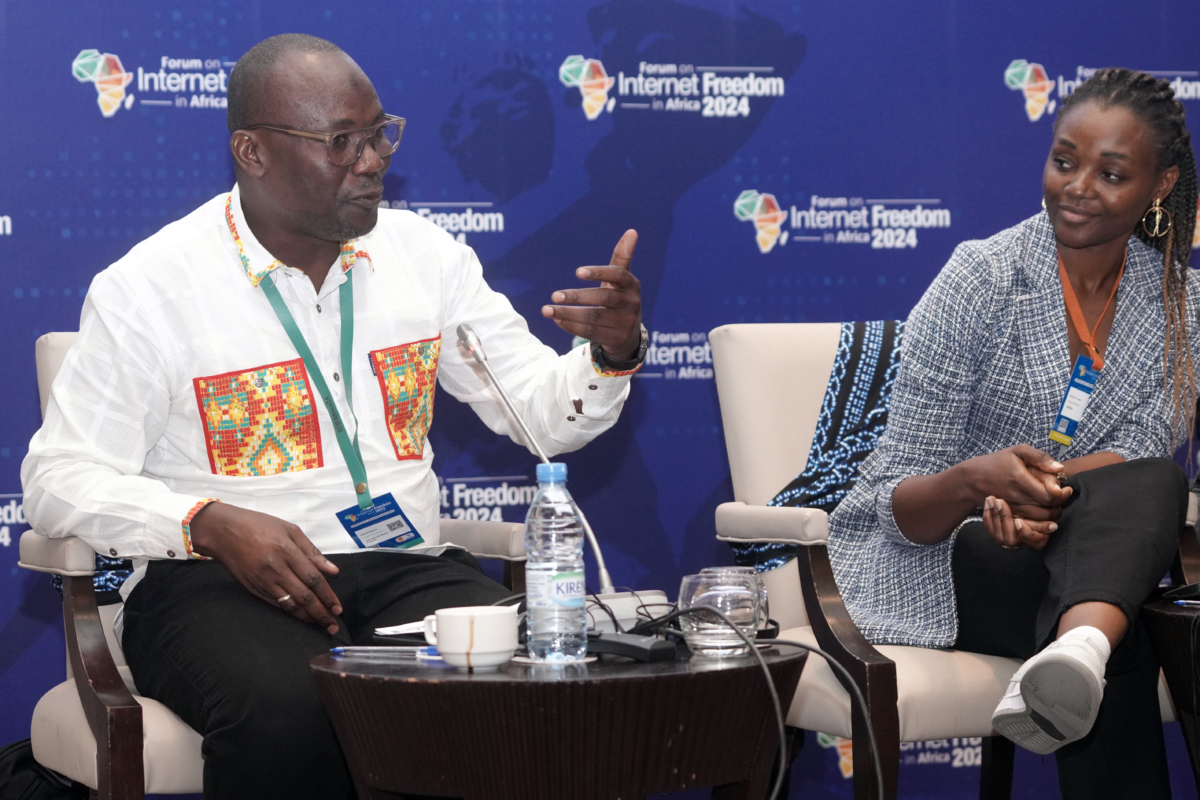
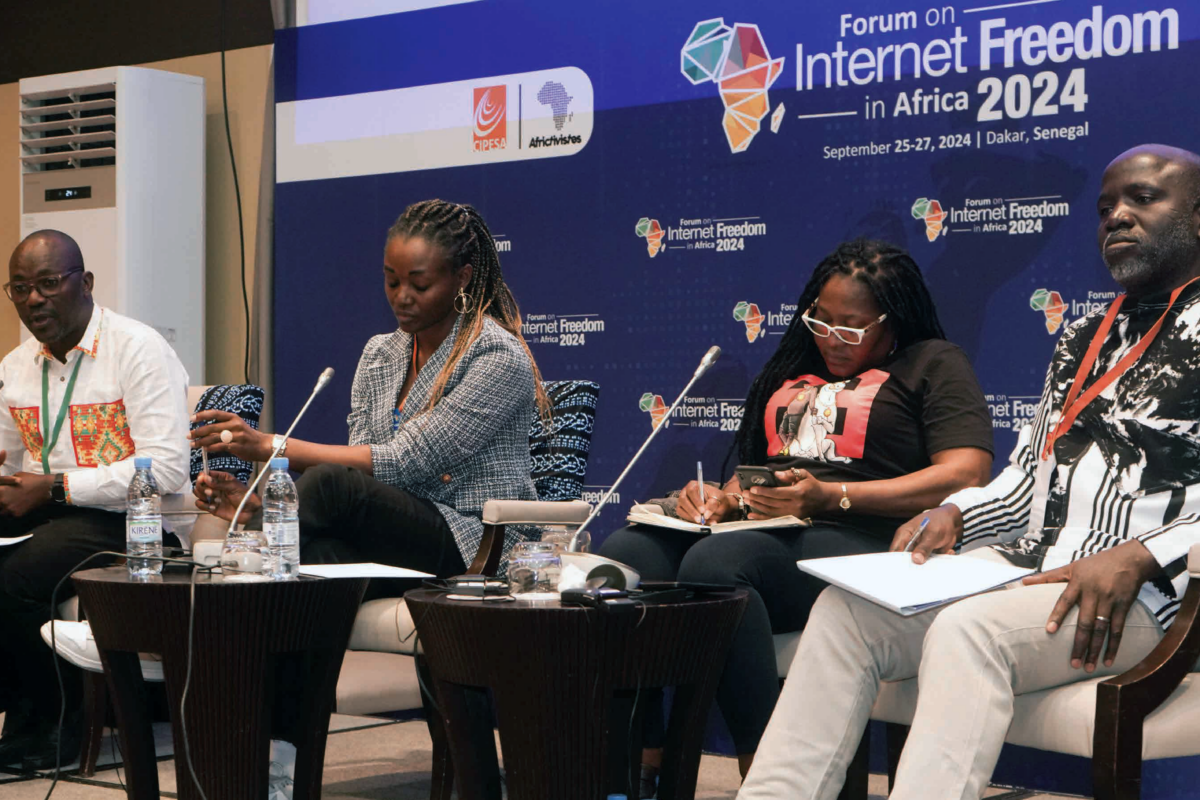
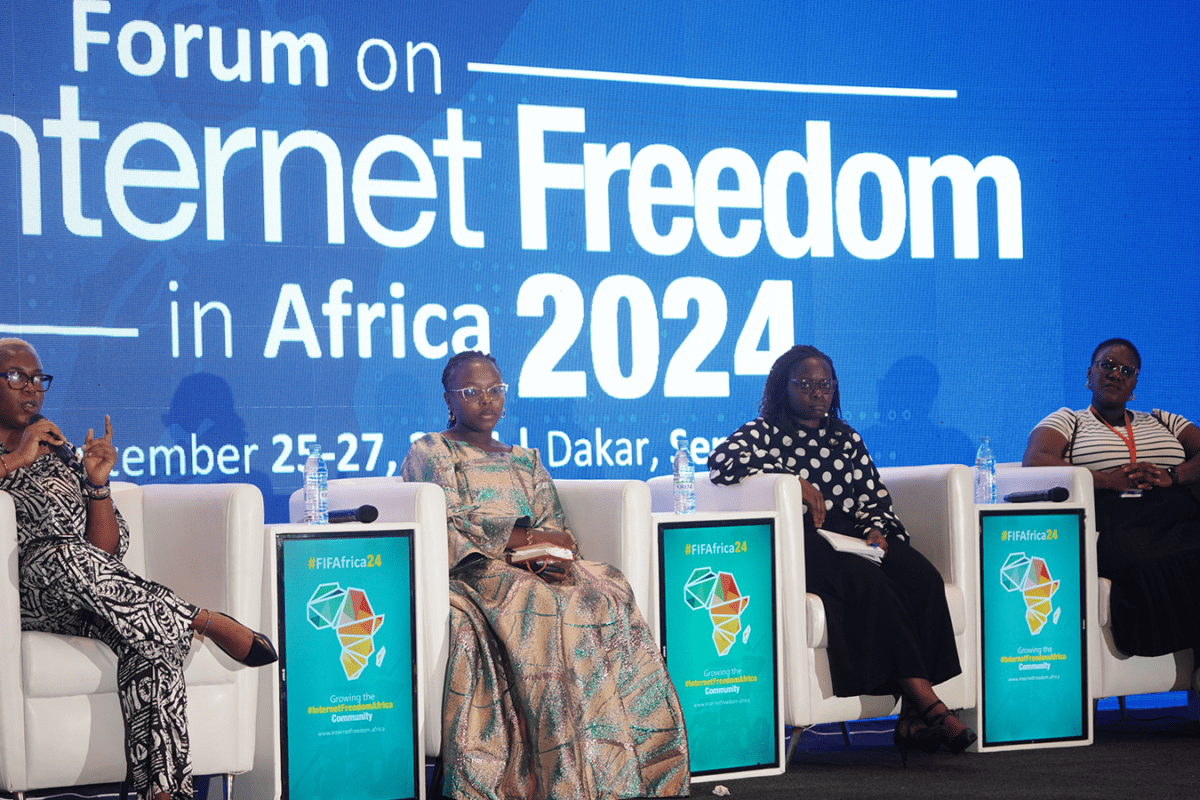
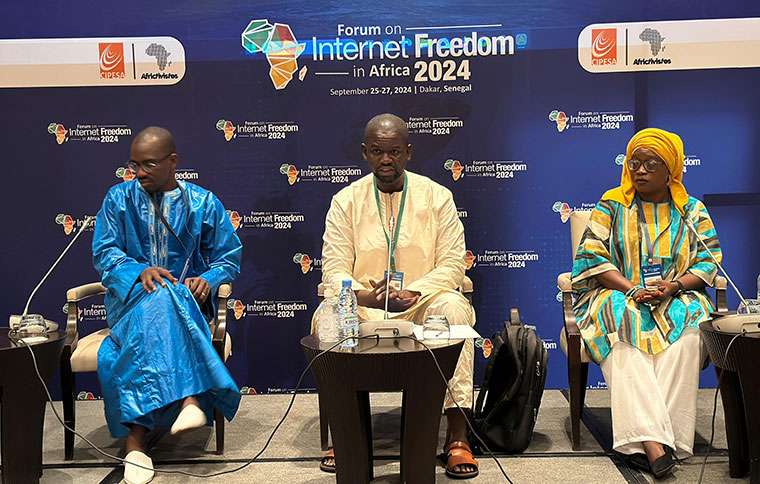
Save the Date: The Forum on Internet Freedom in Africa (FIFAfrica24) September 25-27, 2024!

Announcement |

It’s time to mark your calendars for the annual Forum on Internet Freedom in Africa (FIFAfrica), the largest gathering on digital rights on the continent.  The 2024 edition will be held on September 25-27 and as in previous years will align with the commemoration of the annual International Day for Universal Access to Information (IDUAI).

FIFAfrica sets the stage for concerted efforts to advance digital rights in Africa and promote the multi-stakeholder model of Internet governance. It places internet freedom directly on the agendas of key stakeholders, including policymakers, journalists, activists, global platform operators, telecommunications companies, regulators, human rights defenders, academia, and law enforcement.

Now in its 11th year, FIFAfrica has grown to serve as a vital response to the mounting obstacles facing digital democracy in Africa, including arrests and intimidation of online users, internet disruptions, and regressive laws that stifle the potential of digital technology to catalyse socio-economic and political development on the continent. 

This year, FIFAfrica24 will serve as a key channel that informs the way ahead for digital democracy in Africa and the role that different stakeholders need to play to realise the Digital Transformation Strategy for Africa and Declaration 15 of the 2030 Agenda for Sustainable Development. The Declaration notes that the spread of information and communications technology and global interconnectedness has great potential to accelerate human progress, to bridge the digital divide and develop knowledge societies.

FIFAfrica offers something for everyone! Be sure to save the date and don’t miss this chance to be part of the #InternetFreedomAfrica movement dedicated to protecting and promoting internet freedom across the continent.

Stay tuned for more details and registration information! 

CIPESA Trains CSOs on Digital Rights Advocacy and Campaigning in Africa

By Asimwe John Ishabairu |

As part of efforts to build digital rights movements in Africa that are impactful and sustainable, the Collaboration on International ICT Policy for East and Southern Africa (CIPESA) trained civil society organisations (CSOs) from Lesotho, Mozambique, Tanzania, Uganda, and Zimbabwe on digital rights advocacy and campaigning. The training, which was conducted February 6-7, 2024, in Dakar, Senegal, featured sessions on methodologies for tech accountability, campaign planning and strategies, impact communications, and media relations. The training also featured experience-sharing sessions on stakeholder engagement by the Global Network Initiative (GNI) and the Senegalese Personal Data Protection Commission (CDP).   

The training included participants from the African Centre for Media Excellence (ACME), Internet Society Lesotho Chapter, Digital Agenda for Tanzania Initiative, as well as the Media Institute of Southern Africa (MISA) Mozambique and Zimbabwe chapters – all Local Partners of the Global Internet Freedom (GIF) program, an initiative of Internews. The partners are implementing various interventions aimed at promoting in-country stakeholder engagements on digital rights issues, particularly digital identity and data protection. As a Regional Partner for GIF, CIPESA’s role is to coordinate activity implementation by the local partners, support learning and exchange among the partners, as well as support their network building, including through the annual Forum on Internet Freedom in Africa (FIFAfrica).

The Local Partners’ advocacy initiatives are expected to leverage the Ranking Digital Rights Corporate Accountability Index Key findings and recommendations. The index analyses the policies and practices of eight leading telecommunications companies operating across four African countries — Tanzania, Uganda, Zambia, and Zimbabwe and the resultant effects of these policies on freedom of expression and privacy.

“Existing research, such as that by Ranking Digital Rights and CIPESA’s annual report on the State of Internet Freedom in Africa, are critical resources that provide an overview of the continent’s landscape and support our conduct of evidence-based advocacy engagements with government actors and telecommunication companies,” noted Apolo Kakaire, Communication and Advocacy Manager, ACME, Uganda.

Similarly, networks and alliances such as the GNI, of which CIPESA is a member, alongside internet and telecommunications companies, human rights groups, investors, and academic institutions, are strategic alliances for advocacy engagements. “We have relationships with some of the telecom companies you [CSOs] are likely to engage and pledge support for outreach to their global and national offices as needed, ” said GNI’s Program and Operations Associate Montserrat Legorreta.

Indeed, as stated by Peter Mmbando from Digital Agenda for Tanzania Initiative, local CSOs experience challenges engaging with telecom companies. “We often invite them to engagements, but they don’t show up. Support from GNI to get the telecom giants in the rooms will be highly appreciated,” said Mmbabo.

The interventions of the six trained CSOs are expected to promote increased knowledge of internet freedom issues and advance human rights in the digital space in their respective countries.

A Decade of Internet Freedom in Africa: Report Documents Reflections and Insights from Change Makers

CIPESA Writer |

Over the last decade, Africa’s journey to achieve internet freedom has not been without challenges. There have been significant threats to internet freedom, evidenced by the rampant state censorship through
internet shutdowns, surveillance, blocking and filtering of websites, and the widespread use of repressive laws to suppress the voices of key actors.

However, amidst all this, there is a community of actors who have dedicated efforts towards advancing digital rights in the continent with the goal of ensuring that more Africans can enjoy the full benefits of the internet.

As part of our efforts recounting the work of the Collaboration on International ICT Policy for East and Southern Africa (CIPESA) over the years, we are pleased to share this special edition report: A Decade of Digital Rights in Africa: Reflections and Insights from 10 Change Makers, where we document reflections and insights from ten collaborators who have been instrumental in shaping Africa’s digital and Internet freedom advocacy landscape over the last ten years.

These changemakers have demonstrated change by advocating for a more free, secure, and open internet in Africa and working to ensure that no one is left behind.

Read the full report: A Decade of Digital Rights in Africa: Reflections and Insights from 10 Change Makers!

Meet the Changemakers

‘Gbenga Sesan, the Executive Director of Paradigm Initiative, is an eloquent advocate for internet freedom across the continent, leading efforts to push back against repressive laws and promoting digital
inclusion while speaking truth to power. He continues to champion the transformative power of technology for social good and to drive positive change in society.

Arthur Gwagwa is a Research Scholar at Utrecht University, Netherlands, and a long-standing advocate for digital rights and justice. His work in the philanthropic sector has been instrumental in supporting various grassroots initiatives to promote internet freedom in Africa. Similarly, his pioneering research work and thought leadership continue to inspire and transform the lives of people in Africa.

Edetaen Ojo, the Executive Director of Media Rights Agenda, is a prominent advocate for advancing media rights and internet freedom. Known for his strategic vision and dedication to media freedom, he pioneered the conceptualisation and development of the African Declaration on Internet Rights and has been a key voice in shaping Internet policy-making in Africa.

Emilar Gandhi, the Head of Stakeholder Engagement and Global Strategic Policy Initiatives at Meta, built a strong foundation in civil society as an advocate for Internet freedom. She is a prominent figure in technology policy in Africa whose expertise and dedication have made her a valuable voice for inclusivity and responsible technology development in the region.

Dr. Grace Githaiga, the CEO and Convenor of Kenya ICT Action Network (KICTANet), has been a leading
advocate for media freedom and digital rights in Africa. Her tireless advocacy in shaping internet policy has earned her recognition for her pivotal roles in championing internet freedom, digital inclusion,
multistakeholderism, and women’s rights online.

Julie Owono, the Executive Director of Internet Sans Frontières (Internet Without Borders), is a passionate and respected digital rights advocate and thought leader in the global digital community. She is not only a champion for internet freedom in Africa but is also a symbol of hope for many communities standing at the forefront of the battle for internet freedom and connectivity in Africa.

Neema Iyer, the founder of Pollicy, is well known for her advocacy efforts in bringing feminist perspectives into data and technology policy. Her dynamic and multi-faceted approach to solving social challenges exemplifies the potential of data and technology to advance social justice and promote digital inclusion and internet freedom in Africa.

Dr. Tabani Moyo, the Regional Director of the Media Institute of Southern Africa (MISA), is a distinguished
media freedom advocate and influential leader in guiding a community of changemakers in Southern Africa. He has played an extensive and formidable role in pushing back against restrictive and repressive laws, supporting journalists under threat, empowering young Africans, and shaping internet governance policies.

Temitope Ogundipe, the Founder and Executive Director of TechSocietal, has been a champion for digital rights and inclusion in Africa. She is an advocate for women’s rights online and uses her expertise to contribute to the development of youth and address digital inequalities affecting vulnerable groups across the continent.

Wafa Ben-Hassine, the Principal Responsible Technology at Omidyar Network, is a recognised human rights defender and visionary leader dedicated to promoting human rights and responsible technological
development. Her relentless advocacy and valuable contributions to defending digital rights, civil liberties, and technology policy continue to inspire many across the continent.

Join the Report Launch Webinar:

When: January 31, 2024
Time: 14:00-16:00 (Nairobi Time)
Location: Zoom (Register here)
After registering, you will receive a confirmation email containing information about joining the webinar.

Updated: Watch the report launch webinar.

Introducing the Tech Accountability Fund and a Call for Proposals

Announcement |

The Collaboration on International ICT Policy for East and Southern Africa (CIPESA) has partnered with Digital Action to support work on tech accountability in Sub-Saharan Africa in the run up to and during the “Year of Democracy” in 2024. This support will be channelled through the Tech Accountability Fund that will be administered under the auspices of the Africa Digital Rights Fund (ADRF).  

Numerous African countries, including the Comoros, Senegal, Mauritania, Rwanda, Mozambique, Ghana, Algeria, Botswana, Chad, Guinea Bissau, Mali, Mauritius, Namibia, South Africa, South Sudan and Tunisia, are headed to the polls during 2024. Electoral processes are essential to building democracy, and given growing threats to information integrity and technology use in elections, it is crucial to conduct platform accountability around electoral processes. The Fund responds to these key concerns in the Year of Democracy and to the scant  resources to African civil society entities that are working to counter tech harms. 

In 2022, Africa had around 570 million internet users, of which 384 million (67%) were social media users. These users, most of whom are the youth, are increasingly using social media applications such as WhatsApp, Facebook, Twitter, YouTube, Instagram and TikTok for content creation and entertainment, business, advertising and entrepreneurship, communication and connection, education and learning, civic engagement and activism. As the users increase, reports from social media companies indicate the rise of harmful, illegal or offensive content on the platforms.

In response, social media companies have employed various measures to review, screen, and filter content to ensure it meets their community guidelines or policies and does not adversely affect the user experience on the platforms. The content moderation tools and techniques applied include keyword filtering, machine learning algorithms and human review. 

Despite these efforts, the inadequacy of the measures undertaken by social media platforms and social networking sites in moderating illegal, harmful or offensive content has increasingly been questioned. In Ethiopia for instance, social media companies have been accused of not doing enough to moderate such content, which has gone on to cause real-world harm, such as fuelling killings. Starkly, platforms such as Facebook and Twitter are accused of deploying minuscule resources and measures in content moderation in Africa, relative to investments in the United States and Europe. 

Key concerns about content moderation in Africa include the limited understanding by platforms of the cultural context in the continent, the lack of cultural sensitivity, labour rights violations, bias and discrimination of algorithms, non-application of local laws, lack of transparency and accountability in content moderation, all of which have an impact on freedom of expression and civic participation.

Call for Proposals
Applications are now open for the Tech Accountability Fund as the eighth edition of the ADRF. Grant sizes will range from USD 5,000 to USD 20,000 subject to demonstrated need. Cost sharing is strongly encouraged. Funding shall be for periods between six and 12 months. 

The Fund is particularly interested in work related to but not limited to:

  • Online gender-based violence, particularly against women politicians and women journalists
  • Network disruptions
  • Content moderation
  • Microtargeting and political advertising
  • Hate speech
  • Electoral Disinformation 
  • Electoral specific harms e.g. effects on freedom of expression and citizens’ ability to make independent choices and participate in electoral processes.

The deadline for applications is February 16, 2024. Read more about the Fund Guidelines here. The application form can be accessed here

Only shortlisted applicants will be contacted directly. Feedback on unsuccessful applications will be available upon request.