FIFAfrica24: Shaping the Future of Internet Freedom in Africa!

By FIFAfrica |

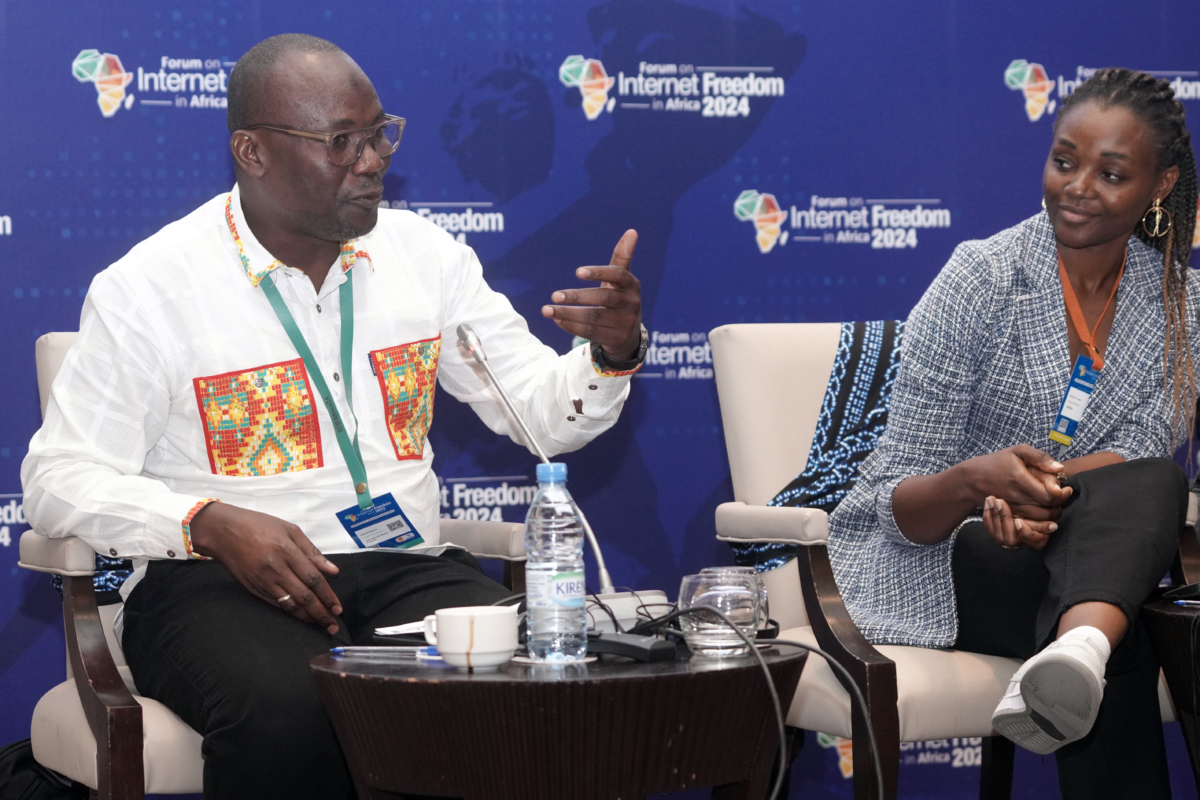
The highly anticipated Forum on Internet Freedom in Africa 2024 (FIFAfrica24) is just around the corner, and this year we’re heading to the vibrant city of Dakar, Senegal that in 2024,  has been the backdrop of a variety of both controversial and pivotal developments impacting democracy and digital rights.

Senegal was to host its elections on February 25, 2024, but instead was thrown into turmoil following a February 3, 2024 announcement that the elections had been postponed and that the incumbent – Macky Sall’s presidency would be extended until his successor is installed.  Shortly after the announcement,  internet access in the country was restricted in a move that the Ministry of Communication, Telecommunications, and Digital Economy justified as a response to the spread of “hateful and subversive messages” threatening public order.

Elections would eventually be held on March 24 vote and would run smoothly with no major incidents reported, and an eventual peaceful transition of power to President Bassirou Diomaye Diakhar Faye. Senegal’s electoral journey stands out, particularly in contrast to the turbulent electoral climates in other African states.

While 2024 has been hailed as the Year of Democracy in which more than 2 billion people will go to the polls in 65+ elections across the world, in the biggest elections megacycle so far this century, with several taking place in Africa. 

Meanwhile, despite its economic challenges, Senegal is among a handful of African states alongside Benin, Mauritius, and Rwanda that have developed national Artificial Intelligence strategies. This goes against the trend in which the most developed or largest economies are the first to create national AI strategies. In the case of Africa, countries like South Africa or Nigeria would create national AI strategies first, yet neither has done so (though Nigeria’s strategy is reportedly in development).

Senegal’s commitments to a progressive legal, regulatory and institutional framework for the technology sector include its efforts in data governance, a hub for innovation, a  National Digital Addressing, and advancing a comprehensive National Data Strategy.

This year, Senegal joined 17 African countries that have put at least one satellite in orbit. It joined countries such as South Africa and Egypt which have 13 satellites each, with Nigeria ranking in third with seven satellites. President Bassirou Diomaye Faye remarked that the move signified a major step towards Senegal’s “technological sovereignty”.

This points to the wide spectrum along which many African countries sit regarding digital adoption, digital inclusion, technology-related regulation and legislation. The Forum aims to capture this diversity through the following themes:

  • Digital Inclusion
  • Digital Resilience                             
  • Freedom of Expression & Access to Information
  • Information disorder (mis/disinfromation)          
  • Implications of AI            
  • Governance and Policy
  • Movement Building

See the agenda

As a member of the #InternetFreedomAfrica community, FIFAfrica24 offers a unique platform to explore a wide range of themes and also provides valuable networking opportunities with participants from around the world with the shared vision of digital rights in Africa.

Join the Conversation

Can’t make it to Dakar? Don’t worry FIFAfrica24 will be streamed live here! You can still participate in discussions, watch live panels, and engage with attendees using the hashtag #FIFAfrica24 on social media. Better yet, you can register to attend remotely or in person and engage directly with participants within the event platform.

Be sure to stay connected, follow the debates and discussions, and contribute your thoughts and insights to the #InterneyFreedomAfrica community.

Report Highlights Collaborative Efforts to Counter Disinformation in Africa

By Patricia Ainembabazi |

Disinformation is an escalating challenge across Africa, threatening democratic processes, social cohesion, and undermining trust in the media. However, evidence of the successes and pitfalls of initiatives that are working to counter disinformation remains minimal.

A new report by  CIPESA, in collaboration with Bertelsmann Stiftung, examines the evolving landscape of disinformation in Africa, highlighting key protagonists involved in the pushback against it and the tactics they employ, as well as the challenges. It offers recommendations for a comprehensive, multi-stakeholder approach to tackling the vice. The report includes case studies on the Democratic Republic of Congo, Ethiopia, Kenya, and South Africa.

The disinformation campaigns often exploit existing social and political divisions, including during electoral periods, when false and misleading content is utilised to sow discord and manipulate public opinion. The tactics used are becoming increasingly sophisticated, with technologies such as deep fakes increasingly being employed. The consequences of these campaigns can be particularly severe in fragile democracies, where disinformation undermines election integrity and fuels conflicts.

The study identifies various protagonists fighting disinformation, including country-specific protagonists, multi-country initiatives, pan-African protagonists, international protagonists, media, and coalitions. However, most rely on basic and moderate methods in identifying and pushing back against disinformation despite the increasing sophistication with which it is generated and disseminated. 

Another notable challenge is that some platforms are not doing enough to fight disinformation or moderate harmful content. Although they derive financial benefits from the region, some platforms do not seem to invest appropriately in human resources or respect national laws regarding content. The report notes that some platforms have run election-related adverts containing patent disinformation while making it expensive and cumbersome for African researchers to gain access to data on political advertising, which would be crucial to tackling disinformation in the region.

In addition, many African countries lack comprehensive legal frameworks to combat disinformation effectively. In some cases, existing laws are outdated, while in others they are poorly enforced and end up stifling legitimate expression.

The study highlights the need for more symbiotic approaches where different protagonists such as multi-stakeholder coalitions that include the state, civil society, platforms, and technologists collaboratively reinforce truth and debunk disinformation. An example is Kenya’s National Coalition on Freedom of Expression and Content Moderation (FECOMO) which brings together more than 20 state, civil society, and media entities to ensure that content moderation protects freedom of expression while tackling harmful content. 

In South Africa, ahead of the 2024 elections, the Electoral Commission entered a Framework of Cooperation with social media platforms Google, Meta, TikTok, and the non-profit Media Monitoring Africa (MMA), to curb disinformation. A related initiative is the Real411 run by the MMA, whose Digital Complaints Committee (DCC) receives complaints on disinformation and hate speech from the public and makes public the outcomes of its investigations of such complaints. 

The success of these efforts, however, often hinges on the active participation of local actors uniquely positioned to address their communities’ specific needs and dynamics. It is without a doubt that the fight against disinformation requires a coordinated response from various stakeholders, including governments, civil society, media, and tech companies.

The report makes various recommendations, such as:

  • Strengthening legal frameworks by developing and updating laws so that they balance freedom of expression with disinformation countermeasures.
  • Enhancing media literacy by educating the public on disinformation and promoting critical thinking across various sectors.
  • Rebuilding trust in media by ensuring accurate and unbiased reporting, particularly during elections.
  • Increasing platform accountability by asserting pressure on social media platforms to be transparent in their content moderation and algorithms.
  • Facilitating public reporting by establishing accessible channels for reporting disinformation and ensuring transparency in addressing reports of abuse.
  • Encouraging public discourse by promoting broader public engagement and awareness to enhance critical thinking on disinformation.
  • Investing in skills development by providing continuous training for fact-checkers, journalists, and researchers to effectively counter disinformation.

In conclusion, disinformation is a complex and multifaceted issue that requires a comprehensive and collaborative response from all stakeholders. Governments, civil society, media, and tech companies must work together to build resilient systems that can effectively combat the spread of false information. By promoting media literacy, holding intermediaries accountable, and fostering multi-stakeholder engagement, Africa can take significant steps toward countering disinformation and protecting democratic processes on the continent. The report can be accessed here. To read more about CIPESA’s work on disinformation, see here.

Portal on Gender-Based Violence in Africa Expanded with ADRF Support

Update |

The Covid-19 pandemic was characterised by a sharp increase in gender-based violence (GBV) in Kenya, Nigeria, and South Africa, as well as other countries across the world. This was largely attributed to lockdown restrictions, which left victims isolated in the same physical space as their abusers, reduced availability of shelters and other support mechanisms, and exacerbated economic anxiety and mental health pressures – all key drivers of GBV.

The pandemic also accelerated digitalisation, which widened the scope of Technology-Facilitated Gender-Based Violence (TFGBV). According to UN Women, in Africa, online abuse, harassment and exploitation increased as learning went online during the pandemic. Similar  concerns about online harms are discussed in the African Union Guidelines on Gender-Responsive Responses to COVID-19.

Alt Advisory, a South Africa based public interest advisory firm, launched the endgbv.africa as a resource on domestic and international responses to GBV online and offline before, during and after the pandemic. At the time of its launch in 2022, the portal featured GBV mapping and assessments on the legal and policy developments, trends and statistics as well as key terminologies on six African countries – Malawi, Mozambique, Namibia, South Africa, Zambia, and Zimbabwe.

With a grant from the Africa Digital Rights Fund (ADRF) – an initiative of the Collaboration on International ICT Policy for East and Southern Africa (CIPESA) –  Alt Advisory has revamped and expanded the portal to cover an additional seven countries – Eswatini, Ethiopia, Ghana, Kenya, Mauritius, Nigeria and Uganda. The project has also featured a spotlight series on experiences of sexual minorities in Botswana and Uganda.

The new seven country factsheets were developed in collaboration with researchers from various fields, with multidisciplinary perspectives regarding GBV, thereby expanding the breadth of information relating to organisations and movements hitherto unknown due to varied degrees of online visibility. This collaborative approach has strengthened the regional network of gender rights advocates beyond national borders.

“Our hope is that the project’s focus on TFGBV enabled researchers to develop their own insights on emergent forms of harm which may potentially enrich future policy advocacy in their contexts,” said S’lindile Khumalo, a Senior Associate at Alt Advisory.

Alt Advisory’s Equity and Inclusion as well as Media teams are working to publicise the portal to maximise uptake and impact. The firm will also continue to fundraise to expand the portal’s coverage to the full African continent and translate the resources to increase relevance and accessibility to a diversity of audiences. All this, in tandem with efforts in law and policy reform, advocacy, and activism on GBV and related issues. “As the portal undergoes further development, we hope that it contributes to the end of GBV in our lifetime,” concluded Khumalo.

East and Southern African National Human Rights Commissions Trained in Digital Rights Protection

By CIPESA Writer |

As part of its ongoing efforts to enhance the ability of African National Human Rights Institutions (NHRIs) to monitor, protect, and promote digital freedoms, the Collaboration on International ICT Policy for East and Southern Africa (CIPESA) last month conducted a two-day capacity-building training that attracted NHRI representatives from Lesotho, Mozambique, Tanzania, Uganda, Zimbabwe, and Zambia.

The two-day training that was held in Nairobi, Kenya, on June 25 and 26, 2024, sought to empower staff of NHRIs in the region to engage with the opportunities and challenges that digital technology poses for human rights protection and monitoring of digital rights. In his opening remarks, CIPESA Executive Director Dr. Wairagala Wakabi noted that NHRIs play a critical role in the protection and promotion of human rights, and given the deteriorating state of digital rights in the region, it was important that they are equipped to deal with the intersection between the digital and the traditional human rights. According to the Paris Principles, NHRIs are required to have a broad mandate that allows them to effectively execute their mandate of promoting and protecting human rights, both offline and online.

The Nairobi training followed a similar training that CIPESA conducted in Ethiopia for staff of the Ethiopian Human Rights Commission (EHRC), who identified key actions the commission could integrate in its annual work plans, such as digital rights monitoring, advocacy for enabling laws to be enacted, and developing tools for follow up on implementation of recommendations on digital rights by treaty bodies and the United Nations Human Rights Council.

Digital Rights as Human Rights

Digital rights have been recognised at both international and regional levels. For example, in 2018, during its 38th session, the United Nations Human Rights Council adopted resolution A/HRC/RES/38/7 that reaffirmed that “the same rights that people have offline must also be protected online.” In 2016, the United Nations General Assembly passed a non-binding resolution on “the promotion, protection, and enjoyment of human rights on the Internet,” condemning any measures taken by state parties to prevent or disrupt internet access and calling upon them to refrain from and cease any such measures.

In March 2024, the African Commission on Human and Peoples’ Rights passed resolution ACHPR.Res.580 (LXXVIII)2024 on Internet Shutdowns and Elections in Africa “reaffirming the importance of access to the internet in the digital age and its implication for the realisation of human rights”. The resolution called upon member states to “refrain from ordering the interruption of telecommunications services, shutting down the internet, and/or disrupting access to any other digital communication platforms before, during or after the elections.”

Challenges Facing NHRIs

In many cases, African NHRIs have found themselves operating in an increasingly hostile environment with limited funding and hostility from state agencies, who sometimes view their role as countering and incriminating the government in human rights violations. In addition, because of the limited funding, many NHRIs are not in a position to recruit or improve the level of expertise among their staff members, especially when it comes to new and emerging technologies and how they affect the enjoyment of human rights. Participants acknowledged that, in many cases, they are always playing catch-up when it comes to legislation, yet they are supposed to be the primary advisors and reviewers of draft laws related to human rights.

In his remarks, Victor Kapiyo, one of the trainers, noted that the adoption of digital technologies has brought up new human rights issues, particularly as governments have reacted by enacting laws that have, for the most part, served to stifle human rights as opposed to facilitating their enjoyment. On the other hand, digital technologies have also facilitated the spread of hate speech, disinformation, and technology-facilitated gender-based violence. It is important that NHRIs keep enhancing their capacity to monitor, investigate, and protect against violations of digital rights by both governments and private actors, including big tech companies.

Practical Strategies for NHRIs

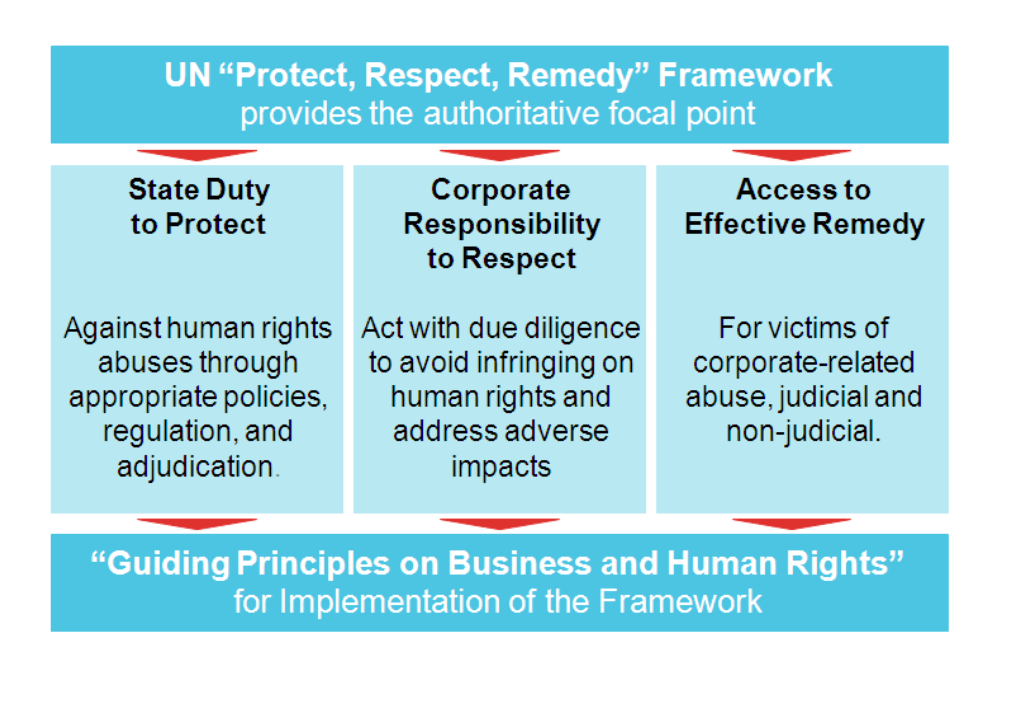
During the training, participants discussed an array of strategies that they can adopt to monitor, document, and protect digital rights, including the use of practical legal and policy guidance set out in the Rabat Plan of Action, as well as Guiding Principles on Business and Human Rights when engaging with governments and business entities especially technological companies in regards to their obligations to respect, protect and promote human rights.

Participants also noted the need to engage with security agencies, the justice department, and policymakers on issues of digital rights. It was noted that because the concept of digital rights in Africa is new and evolving with limited understanding and jurisprudence, NHRIs need to constantly retool themselves on the emerging issues if they are to execute their mandates effectively. Other strategies included building coalitions and collaborations with civil society actors, the media and academia to help unpack and create awareness about digital rights.

The training was facilitated by trainers from CIPESA, Internews, the International Centre for Non-Profit Law, and the Kenya National Cohesion and Integration Commission (NCIC).

Counting the Benefits of Fact-Checking Training for Ethiopian Journalists

Journalists play a crucial role in informing citizens and shaping public opinion in Ethiopia. However, in recent years, the proliferation of disinformation and hate speech has become a significant challenge. The surge in disinformation is undermining social cohesion, promoting conflict, and leading to growing threats against journalists and human rights defenders.

Accordingly, it is crucial to conduct fact-checking training  for Ethiopian journalists so as to safeguard the integrity and reliability of journalism in the country. A number of Ethiopian journalists have undergone training in understanding disinformation and hate speech. However, most of them lack practical skills in conducting fact-checking. It is against this background that, in May 2024, CIPESA organised a fact-checking and ethical reporting workshop for 20 Ethiopian journalists in the capital Addis Ababa.

Two months later, journalists and media development actors point to the benefits of that training. 

“The fact-checking and verification training was crucial for Ethiopian journalists and content producers, as it provided them with valuable tools to combat daily misinformation and produce reliable news stories,” notes Kirubel Tesfaye, one of the experts that conducted the training. “The training equipped them with the most essential and current tools in the industry, allowing them to produce credible and trustworthy news and reports.” 

By equipping journalists with fact-checking skills, they can serve as gatekeepers of truth, helping to counter disinformation and to ensure that accurate information reaches the public. Ethiopia has experienced an explosion in disinformation over the last five years, with the armed conflicts which have plagued the country being key drivers of disinformation. 

Selam Mulugeta, a journalism lecturer at Addis Ababa University who participated in the training, enumerates the benefits of the fact-checking training. “One of the most important things was to learn how to recognise dis/misinformation on different websites and social media sites, and to learn [about] fact-checking tools to debunk disinformation,” she says. She adds that after gaining fact-checking knowledge, journalists will contribute to minimising the amount of false information in the public domain. This will in turn lessen the harms of disinformation.

According to Konjit Zewdie of NBC TV, there is a need for more practical training workshops focussed on fact-checking as there is a dire shortage of fact-checking skills among journalists amidst the deluge of illegal and harmful content, including hate speech. She says the training was crucial in capacitating journalists to identify sources of disinformation and to use various fact-checking tools. 

Konjit notes that Ethiopian journalists are often unable to get reliable information from concerned bodies, which presents a challenge for fact-checking. The training gave the journalists alternative ways of verifying information even when they face blockages in accessing information from official sources.

“The training added great value to the journalists because it covered several topics with practical exercises, from the basics of fact-checking to advanced fact-checking techniques. The participants gained insights into the motivations behind the sharing of disinformation, the actors responsible, and the tactics employed by them. Furthermore, the training highlighted prevalent disinformation trends in Ethiopia and provided participants with online tools and techniques to effectively combat disinformation.” – Kirubel Tesfaye, fact-checking trainer

The May 2024 training built on an earlier one CIPESA conducted in November 2023 that equipped 21 Ethiopian journalists, bloggers, and activists with knowledge to navigate the country’s law on hate speech and disinformation and skills to call out and fight disinformation and hate speech.

Mulugeta says that by honing their fact-checking skills, journalists are better positioned to deliver factual information and live up to their duty as mouthpieces of the masses. Moreover, journalists and content creators would become more responsible and accountable for the content they create, and play a role in developing media literacy among the general population.

Tiblets Tesfaye, a senior journalist with Wazema Media, said the training “offered significant value by equipping journalists and content creators with essential skills to identify and correct misinformation, fostering a culture of accuracy and ethical reporting”.

According to her, the training also enhanced the journalists’ ability to recognise and mitigate hate speech, thereby contributing to more reliable and responsible media practices that support social cohesion and peacebuilding in the country. Tesfaye adds: “The benefits are huge because most social media influencers are based in Addis Ababa, but it would be good to extend this training to regional cities as well.”

See more about the training focus here