
Digital Public Infrastructure in Africa: A Looming Crisis of Equitable Access, Digital Rights, and Sovereign Control

Digital Public Infrastructure in Africa: A Looming Crisis of Equitable Access, Digital Rights, and Sovereign Control
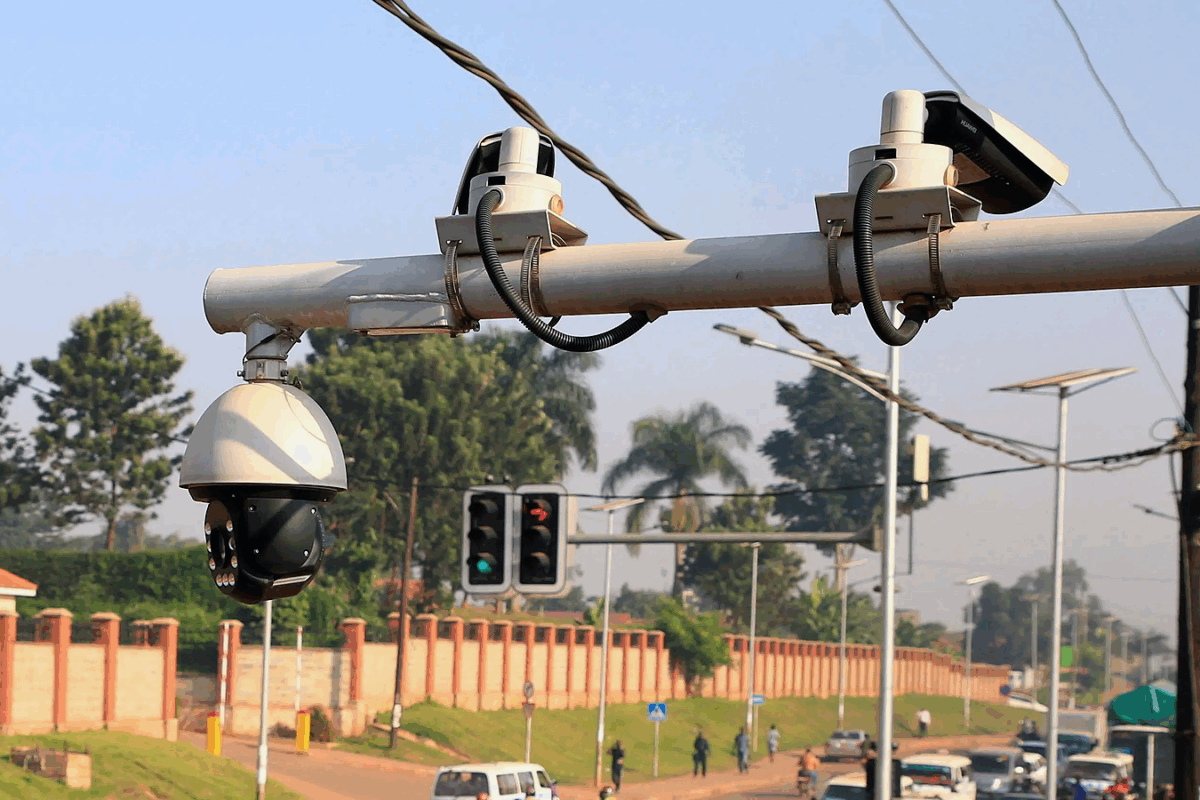
CCTV system in Kampala, Uganda. REUTERS/James Akrena (2019)

By Brian Byaruhanga

In June 2025, Uganda suspended its Express Penalty Scheme (EPS) for traffic offences, less than a week after its launch, citing a “lack of clarity” among government agencies. While this seemed like a routine administrative misstep, it exposed a more significant issue: the brittle foundation upon which many digital public infrastructures (DPI) in Africa are being built. DPI refers to the foundational digital systems and platforms, such as digital identity, payments, and data exchange frameworks, which form the backbone of digital societies, similar to how roads or electricity function in the physical world

This EPS saga highlighted implementation gaps and illuminated a systemic failure to promote equitable access, public accountability, and safeguard fundamental rights in the rollout of DPI.

When the State Forgets the People

The Uganda EPS, established under section 166 of the Traffic and Road Safety Act, Cap 347, serves as a tech-driven improvement to road safety. Its  goal is to reduce road accidents and fatalities by encouraging better driver behaviour and compliance with traffic laws. By allowing offenders to pay fines directly without prosecution, the system aims to resolve minor offences quickly and to ease the burden on the judicial system. Challenges faced by the manual EPS system, which the move to the automated system aimed to eliminate, include corruption (reports of deleted fines, selective enforcement, and theft of collected penalties). 

At the heart of the EPS was an automated surveillance and enforcement system, which used Closed Circuit Television (CCTV) cameras and license plate recognition to issue real-time traffic fines. This system operated with almost complete opacity. A Russian company, Joint Stock Company Global Security, was reportedly entitled to 80% of fine revenues, despite making minimal investment, among other significant legal and procurement irregularities. There was a notable absence of clear contracts, publicly accessible oversight mechanisms, or effective avenues for appeal. Equally concerning, the collection and storage of extensive amounts of sensitive data lacked transparency regarding who had access to it.

Such an arrangement represented a profound breach of public trust and an infringement upon digital rights, including data privacy and access to information. It illustrated the minimal accountability under which foreign-controlled infrastructure can operate within a nation. This was a data-driven governance mechanism that lacked the corresponding data rights safeguards, subjecting Ugandans to a system they could neither comprehend nor contest.

This is Not an Isolated Incident

The situation in Uganda reflects a widespread trend across the continent. In Kenya, the 2024 Microsoft–G42 data centre agreement – announced as a partnership with the government to build a state-of-the-art green facility aimed at advancing infrastructure, research and development, innovation, and skilling in Artificial Intelligence (AI) –  has raised serious concerns about data sovereignty and long-term control over critical digital infrastructure. 

In Uganda, the National Digital ID system (Ndaga Muntu) became a case study in how poorly-governed DPI deepens structural exclusion and undermines equitable  access to public services. A 2021 report by the Centre for Human Rights and Global Justice found that rigid registration requirements, technical failures, and a lack of recourse mechanisms denied millions of citizens access to healthcare, education, and social protection. Those most affected were the elderly, women, and rural communities. However, a 2025 High Court ruling ignored evidence and expert opinions about the ID system’s exclusion and implications for human rights. 

Studies estimate that most e-government projects in Africa end in partial or total failure, often due to poor project design, lack of infrastructure, weak accountability frameworks, and insufficient citizen engagement. Many of these projects are built on imported technologies and imposed models that do not reflect the realities or governance contexts of African societies.

The clear pattern is emerging across the continent: countries  are integrating complex, often foreign-managed or poorly localised digital systems into public governance without establishing strong, rights-respecting frameworks for transparency, accountability, and oversight. Instead of empowering citizens, this version of digital transformation risks deepening inequality, centralising control, and undermining public trust in government digital systems.

The State is Struggling to Keep Up

National Action Plans (NAPs) on Business and Human Rights, intended to guide ethical public–private collaboration, have failed to address the unique challenges posed by DPI. Uganda’s NAP barely touches on data governance, algorithmic harms, or surveillance technologies. While Kenya’s NAP mentions the digital economy, it lacks enforceable guardrails for foreign firms managing critical infrastructure. In their current form, these frameworks are insufficiently equipped to respond to the complexity and ethical risks embedded in modern DPI deployments.

Had the Ugandan EPS system been subject to stronger scrutiny under a digitally upgraded NAP, key questions would likely have been raised before implementation:

  • What redress exists for erroneous or abusive fines?
  • Who owns the data and where is it stored?
  • Are the financial terms fair, equitable, and sovereign?

But these questions came too late.

What these failures point to is not just a lack of policy, but a lack of operational mechanisms to design, test and interrogate DPI before roll out. What is needed is a practical bridge that responds to public needs and enforces human rights standards.

Regulatory Sandboxes: A Proactive Approach to DPI

DPI systems, such as Uganda’s EPS, should undergo rigorous testing before full-scale deployment. In such a space, a system’s logic, data flows, human rights implications, and resilience under stress are collectively scrutinised before any harm occurs. This is the purpose of regulatory sandboxes – platforms that offer a structured, participatory, and transparent testbed for innovations. 

Thus, a regulatory sandbox could have revealed and resolved core failures of Uganda’s EPS before rollout, including the controversial revenue-sharing arrangement with a foreign contractor.

How Regulatory Sandboxes Work: Regulatory sandboxes are useful for testing DPI systems and governance frameworks such as revenue models in a transparent manner, enabling stakeholders to examine the model’s fairness and legality. This entails publicly revealing financial terms to regulators, civil society, and the general public. Secondly, before implementation, simulated impact analyses can also highlight possible public backlash or a decline in trust. Sandboxes can be used for facilitating pre-implementation audits, making vendor selection and contract terms publicly available, and conducting mock procurements to detect errors.  By defining data ownership and access guidelines, creating redress channels for data abuse, and supporting inclusive policy reviews with civil society, regulatory sandboxes make data governance and accountability more clear.

This shift from reactive damage control to proactive governance is what regulatory sandboxes offer. If Uganda had employed a sandbox approach, the EPS system might have served as a model for ethical innovation rather than a cautionary tale of rushed deployment, weak oversight, and lost public trust.

Beyond specific systems like EPS or digital ID, the future of Africa’s digital transformation hinges on how digital public infrastructure is conceived, implemented, and governed. Foundational services, such as digital identity, health information platforms, financial services, surveillance mechanisms, and mobility solutions, are increasingly reliant on data and algorithmic decision-making. However, if these systems are designed and deployed without sufficient citizen participation, independent oversight, legal safeguards, and alignment with the public interest, they risk becoming tools of exclusion, exploitation, and foreign dependency. 

Realising the full potential of DPIs as a tool for inclusion, digital sovereignty, and rights-based development demands urgent and deliberate efforts to embed accountability, transparency, and digital rights at every stage of their lifecycle.

Photo Credit – CCTV system in Kampala, Uganda. REUTERS/James Akena (2019)
Reflections From the WSIS+20 Africa Regional Stakeholder Workshop

By Lillian Nalwoga and Patricia Ainembabazi

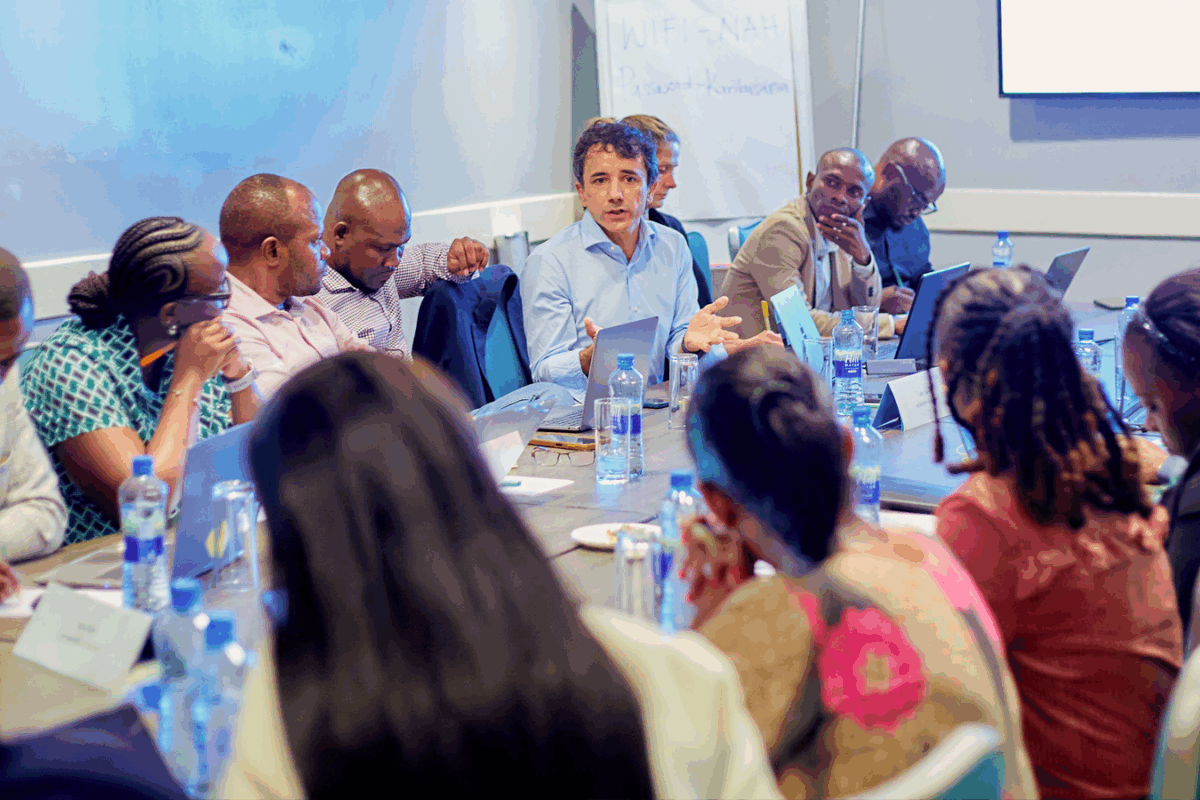
As the twenty-year review of the World Summit on the Information Society (WSIS+20) approaches, the need for inclusive, well-coordinated, and well-informed African participation has become more urgent than ever. In response, the Collaboration on International ICT Policy for East and Southern Africa (CIPESA), with support from the Civil Society Alliances for Digital Empowerment (CADE) project  the Global Network Initiative (GNI), and Global Partners Digital (GPD), convened a regional stakeholder workshop on May 28, 2025, in Dar es Salaam, Tanzania. Held as a pre-event to the 2025 Africa Internet Governance Forum (AfIGF), the workshop gathered 37 participants for a multi-stakeholder dialogue on WSIS progress, the future of the Internet Governance Forum (IGF), and funding equity in global internet governance processes.

Revisiting WSIS and Its Evolving Landscape

The meeting commenced with an overview of WSIS’s significance in shaping global internet policy since its inception in 2003, highlighting the journey from the Geneva and Tunis phases to the current +20 review (WSIS+20). Participants underscored how WSIS frameworks continue to underpin digital policy efforts, especially in developing regions.

Special attention was given to how the WSIS+20 review intersects with emerging frameworks such as the Global Digital Compact (GDC). Discussions emphasized the importance of strengthening Africa’s position in both processes and cautioned against duplicative or conflicting multilateral efforts. Participants called for a harmonised approach that prioritizes human rights and inclusive development.

Regional Dynamics and Country-Level Perspectives

A key component of the meeting focused on lessons learned from country and regional engagement with WSIS+20. Common challenges identified included low public awareness of the process, inadequate coordination mechanisms at the national level, and limited participation in global negotiations. Participants stressed the need to designate clear national focal points and to disseminate accessible information on WSIS milestones and upcoming consultations. They also urged the African Union Commission (AUC) and sub-regional bodies like the United Nations Economic Commission for Africa (UNECA) to consolidate African positions, reflecting shared concerns around digital access, online rights, and capacity-building for local actors.

Funding Inequities and Digital Diplomacy Imbalances

A prominent theme was the uneven distribution of financial and institutional support across regions and thematic areas. Delegates observed that limited participation in global forums such as the IGF, WSIS, and the GDC often mirror existing geopolitical and economic disparities, resulting in underrepresentation of African stakeholders due to limited travel support, language barriers, and technical capacity gaps. Participants called for the urgent need for donor and partner commitments to develop equitable funding models. Such models should prioritize grassroots organizations, youth-led initiatives, and actors outside urban areas. Furthermore, participants called for empowering African UN missions in Geneva, New York, and other capitals with the necessary expertise to influence global digital policymaking.

Civil Society’s Role in Shaping Future Digital Governance

Participants also recognised the role of Civil society organizations (CSOs) as a key stakeholder group in advancing digital governance and policy debate especially on issues such as digital rights, access, disinformation, cybersecurity, and feminist internet principles. A call for the WSIS+20 to produce tangible commitments to safeguard online freedoms, protect civic space, and enhance stakeholder inclusiveness was made.

Participants reiterated the importance of maintaining the IGF’s relevance as a multistakeholder platform and urged for sustainable financing, improved intersessional activities, and stronger linkages to policy outcomes to address the fragmentation increasingly seen in digital governance.

Voices from Parliament and the Legal Sector

Lawmakers and legal experts provided insights into domestic legislative processes and how international norms can be integrated into enforceable national frameworks. Discussions centered on data protection legislation, content regulation, and digital inclusion policies, emphasizing the need for increased legislative scrutiny and cross-border cooperation to foster policy coherence across Africa.

Media and Fact-Checking in the Digital Age

Journalists and fact-checkers reflected on the growing threats to information integrity in digital spaces. They emphasized the vital roles of press freedom, online safety, and accountability, highlighting the importance of partnerships between media outlets and civil society to counter disinformation, especially during elections and crises.

Next Steps and Recommendations

To make WSIS+20 and the GDC processes more inclusive and sustainable, participants proposed several key actions:

  • Strengthen national coordination structures for WSIS+20 and GDC engagement 
  • Develop regional position papers ahead of upcoming UN sessions such as the UN Commission on Science and Technology for Development (CSTD) and the UN General Assembly (UNGA) 
  • Leverage the 2025 AfIGF as a platform for broader African input into WSIS+20 
  • Establish a knowledge-sharing platform for African stakeholders to exchange resources, experiences, and policy insights

Conclusion

The WSIS+20 regional stakeholder workshop underscored Africa’s critical need to take a more assertive role in global digital governance. Amid rising geopolitical tensions, rapid technological change, and the increasing importance of digital tools in daily life, it is both a challenge and a chance for Africa to assert its digital future on its own terms.

Africa’s Digital Dilemma: Platform Regulation Vs Internet Freedom

By Brian Byaruhanga |

Imagine waking up to find Facebook and Instagram inaccessible on your phone – not due to a network disruption, but because the platforms pulled their services out of your country. This scenario now looms over Nigeria, as Meta, the parent company of Facebook and Instagram, may shut down its services in Nigeria over nearly USD 290 million in regulatory fines. The fines stem from allegations of anti-competitive practices, data privacy violations, and unregulated advertising content contrary to the national laws. Nigerian authorities insist the company must comply with national laws, especially those governing user data and competition. 

While this standoff centres on Nigeria, it signals a deeper struggle across Africa as governments assert digital sovereignty over global tech platforms. At the same time, millions of citizens rely on these platforms for communication, activism, access to health and education, economic livelihood, and self-expression. Striking a balance between regulation and rights in Africa’s evolving digital landscape has never been more urgent.

Meta versus Nigeria: Not Just One Country’s Battle

The tension between Meta and Nigeria is not new, nor is it unique. Similar dynamics have played out elsewhere on the continent:

  • Uganda (2021–Present): The Ugandan government blocked Facebook after the platform removed accounts linked to state actors during the 2021 elections. The block remains in place, effectively cutting off millions from a critical social media service unless they use Virtual Private Networks (VPNs) to circumvent the blockage.
  • Senegal (2023): TikTok was suspended amid political unrest, with authorities citing the app’s use for spreading misinformation and hate speech.
  • Ethiopia (2022): Facebook and Twitter were accused of amplifying hate speech during internal conflicts, prompting pressure for tighter oversight.
  • South Africa (2025): In a February 2025 report, the Competition Commission found that freedom of expression, plurality and diversity of media in South Africa had been severely infringed upon by platforms including Google and Facebook. 

The Double-Edged Sword of Regulation

Governments have legitimate reasons to demand transparency, data protection, and content moderation. Today, over two-thirds of African countries have legislation to protect personal data, and regulators are becoming more assertive. Nigeria’s Data Protection Commission (NDPC), created by a 2023 law, wasted little time in taking on a behemoth like Meta. Kenya also has an active Office of the Data Protection Commissioner, which has investigated and fined companies for data breaches. 

South Africa’s Information Regulator has been especially bold, issuing an enforcement notice to WhatsApp to comply with privacy standards after finding that the messaging service’s privacy policy in South Africa was different to that in the European Union. These actions send a clear message that privacy is a universal right, and Africans should not have weaker safeguards.

These regulatory institutions aim to ensure that citizens’ data is not exploited and that tech companies operate responsibly. Yet, in practice, digital regulation in Africa often walks a thin line between protecting rights and suppressing them.

While governments deserve scrutiny, platforms like Meta, TikTok, and X are not blameless. They often delay to respond to harmful content that fuels violence or division. Their algorithms can amplify hate, misinformation, and sensationalism, while opaque data harvesting practices continue to exploit users. For instance, Branch, a San Francisco-based microlending app operating in Kenya and Nigeria, collects extensive personal data such as handset details, SMS logs, GPS data, call records, and contact lists in exchange for small loans, sometimes for as little as USD 2. This exploitative business model capitalises on vulnerable socio-economic conditions, effectively forcing users to trade sensitive personal data for minimal financial relief.

Many African regulators are pushing back by demanding localisation of data, adherence to national laws, and greater responsiveness, but platform threats to exit rather than comply raise concerns of digital neo-colonialism where African countries are expected to accept second-tier treatment or risk exclusion.

Beyond privacy, African regulators are increasingly addressing monopolistic behaviour and unfair practices by Big Tech as part of a broader push for digital sovereignty. Nigeria’s USD 290 million fine against Meta is not just about data protection and privacy, but also fair competition, consumer rights, and the country’s authority to govern its digital space. Countries like Nigeria, South Africa and Kenya are asserting their right to regulate digital platforms within their borders, challenging the long-standing dominance of global tech firms. The actions taken against Meta highlight the growing complexity of balancing national interests with the transnational influence of tech giants. 

While Meta’s threat to exit may signal its discomfort with what it views as restrictive regulation, it also exposes the real struggle governments face in asserting control over digital infrastructure that often operates beyond state jurisdiction. Similarly, in other parts of Africa, there are inquiries and new policies targeting the market power of tech giants. For instance, South Africa’s competition authorities have looked at requiring Google and Facebook to compensate news publishers  (similar to the News Media and Digital Platforms Mandatory Bargaining Code in Australia). These moves reflect a broader global concern that a few platforms have too much control over markets and need checks to ensure fairness.

The Cost of Disruption: Economic and Social Impacts

When platforms go dark, the consequences are swift:

  • Businesses and entrepreneurs lose access to vital marketing and sales tools.
  • Creators and influencers face income loss and audience disconnection.
  • Activists and journalists find their voices limited, especially during politically charged periods.
  • Citizens are excluded from conversations and accessing information that could help them make critical decisions that affect their livelihoods.
  • Students and educators experience setbacks in remote learning, particularly in under-resourced communities that rely on social media or messaging apps to coordinate learning.
  • Access to public services is disrupted, from health services to government updates and emergency communications.

A 2023 GSMA report showed that more than 50% of small businesses in Sub-Saharan Africa use social media for customer engagement. In countries such as Nigeria, Uganda, Kenya or South Africa, Facebook and Instagram are lifelines. Losing access even temporarily sets back innovation, erodes trust, and impacts livelihoods.

A Call for Continental Solutions

Africa’s digital future must not hinge on the whims of a single government or a foreign tech giant. Both states and companies should be accountable for protecting rights in digital contexts, ensuring that development and digitisation do not trample on dignity and equity. This requires:

  • Harmonised continental policies on data protection, content regulation, and digital trade.
  • Regional norm-setting mechanisms (like the African Union) to enforce accountability for both governments and corporations.
  • Investments in African tech platforms to offer resilient alternatives.
  • Public education on digital rights to empower users against abuse from both state and corporate actors.
  • Pan-African contextualised business and human rights frameworks to ensure that digital governance aligns with both local realities and global human rights standards. This includes the operationalisation of the UN Guiding Principles on Business and Human Rights, following the examples of countries like Kenya, South Africa and Uganda, which have developed national action plans to embed human rights in corporate practice.

The stakes are high in the confrontation between Nigeria and Meta. If mismanaged, this tension could lead to fragmentation, exclusion, and setbacks for internet freedom, with ordinary users across the continent paying the price. To avoid this, the way forward must be grounded in the multistakeholder model of internet governance which aims for governments to regulate wisely and transparently, and for tech companies to respect local laws and communities, and for civil society to be actively engaged and vigilant. This will contribute to a future where the internet is open, secure, and inclusive and where innovation and justice thrive.