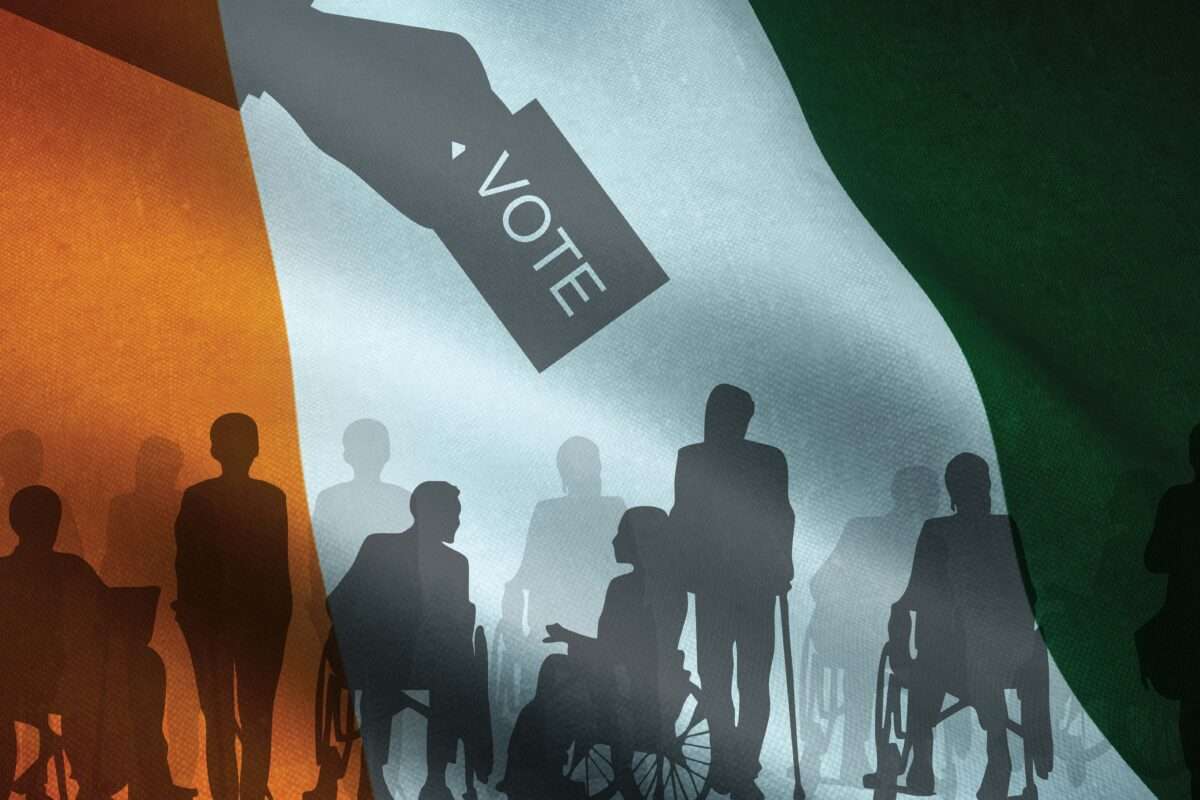
100 Activists Trained To Advance Digital Inclusion for Persons with Disabilities in Côte d’Ivoire

By CIPESA Staff |

Across the African continent, including in Côte d’Ivoire, governments are increasingly adopting digitalisation programs aimed at improving efficiency and effectively delivering public services. 

In March 2025, the Ivorian government launched the Electronic Administration Support Project (PARAE), whose objective is to improve the quality and coverage of public services through the digitisation of administrative procedures. Six months later, in September 2025, the government launched the Public Administration Interoperability Platform, which is part of the country’s National Digital Development Strategy and aligns with the government’s ambition to achieve a “Zero Paper” administration by 2030. The platform will help streamline government processes, eliminate bureaucratic silos, and accelerate the digitisation of public services. Earlier in November 2024, the government launched two additional initiatives aimed at enhancing connectivity, developing public digital systems, and identifying key technical and policy priorities in Côte d’Ivoire’s digital sector. These initiatives are complemented by universal access efforts from the Agence Nationale du Service Universel des Télécommunications/TIC (ANSUT), which include the nationwide rollout of a fibre-optic network, broadband connectivity for rural communities, as well as digital literacy and skills programs. 

However, despite these developments and an increased reliance on digital technologies, persons with disabilities continue to face significant barriers as they navigate and explore digital platforms and services. Many government websites remain inaccessible to persons with disabilities, especially those with motorized, visual, auditory, and cognitive disabilities and those who are neurodivergent, as the websites are not built in compliance with the Web Content Accessibility Guidelines. According to Ahouty Kouakou, the Executive Director of Action et Humanisme, a Côte d’Ivoire-based disability rights organisation, the inaccessibility of websites undermines the meaningful participation of persons with disabilities in decision-making processes, particularly as they cannot effectively exercise their rights to access information and freedom of expression. 

It was against this background that Action et Humanisme, with support from the Collaboration on International ICT Policy for East and Southern Africa (CIPESA)’s Africa Digital Rights Fund (ADRF), built the capacity of 100 disability rights activists in digital rights, focusing on web accessibility and disinformation in the context of elections. The trainings, which were held in the lead-up to the October 2025 presidential elections, targeted four regions: Abidjan, Gagnoa, Oume, and Agbouile. 

Kouakou notes that many persons with disabilities and disability rights actors lack the necessary knowledge and skills to advocate for digital inclusion. Through the trainings and campaigns, Action et Humanisme has increased awareness and understanding, leading to improved digital inclusion for persons with disabilities. During the workshops, participants explored the policy and practice landscape at both national and international levels, as well as opportunities for reform. 

Nguessan Seka Privat: “Through this training, I noted that web accessibility is a fundamental right. We must defend it wherever we are to build an inclusive digital world.” 

Nadège Takoué: “I am happy to participate in this training that allowed me to know my digital rights and the benefits of web accessibility.”

Gragba Severin, an Expert in Digital Economy Development Strategy and Digitalization, from the Ministry of Digital Transition and Digitalization, who was one of the speakers during the training workshops, noted that Côte d’Ivoire’s has enacted several policies as part of the country’s digital transformation journey, including Law No 2024-352 of 6 June 2024 on electronic communications (“Law on Electronic Communications”) which contains measures to enable inclusive access for persons with disabilities. Unfortunately, implementation has been slow, thus hampering progress towards achieving the country’s set goals.

According to Kouakou, the ADRF-supported engagements are a major step in promoting digital inclusion and disability rights in Côte d’Ivoire, as Action et Humanisme was able to strengthen its collaborations with the ministry and expand the knowledge levels among actors.  They were able to engage with the Ministry of Digital Transition and Digitalization as it reviews its digital transition policy, with a particular focus on prioritising persons with disabilities. 

According to Ashnah Kalemera, Programme Manager at CIPESA, the ADRF has enabled CIPESA to support African grassroots organisations such as Action et Humanisme in building their resilience and capacity to advocate for digital rights in Africa. Kalemera notes that as Africa embraces digitalisation, it is critical that digital rights actors across the continent are equipped with the necessary knowledge, skills, and resources to meaningfully participate in shaping the direction of the digital transformation.
Can African Commission Resolution 580 Stem Rising Tide of Internet Shutdowns?

By Edrine Wanyama |

In March 2024, the African Commission on Human and Peoples’ Rights passed a resolution that calls on states to desist from shutting down the internet during elections. Yet, that same year registered a spiral in internet disruptions, and 2025 has similarly seen several countries disrupt digital networks. This begs the question: Can this resolution actually be leveraged to stem the tide of network disruptions on the continent?

The Resolution on Internet Shutdowns and Elections in Africa – ACHPR.Res.580 (LXXVIII) urges states to ensure unrestricted access to the internet before, during and after elections. This, it states, is in line with protecting freedom of expression and access to information, which are guaranteed by article 9 of the African Charter on Human and Peoples’ Right. 

Last year, the number of internet disruptions in Africa rose to 21, up from 17 in 2023, according to figures by the KeepItOn coalition. In 2025, a number of countries holding elections have imposed disruptions, and shutdowns. Tanzania, Cameroon are the latest addition to electoral related disruptions while Sudan over examinations and Libya over public protests in the same year implemented internet disruptions. 

The Resolution among others calls for state parties’ compliance with the African Charter on Democracy, Elections and Good Governance and other regional and international human rights instruments. It also calls for open and secure and while also sounds the call for telecommunications and internet service providers to inform users of potential disruptions and exercise due diligence to resolve any disruptions expeditiously.

Eight years ago, Resolution on the Right to Freedom of Information and Expression on the Internet in Africa – ACHPR/Res.362(LIX)2016 was passed which urged States Parties to not only respect but also to “take legislative and other measures to guarantee, respect and protect citizen’s right to freedom of information and expression through access to Internet services.”

However, to date, neither of these Resolutions appear to have an impact on the path that access to information nor freedom from internet shutdowns have taken in Africa. The spaces to exercise digital democracy remain shrinking as do the spaces for citizens to assert their rights for government transparency and accountability.

The latest mis-happenings have been recorded in the October 2025 election in  Cameroon which bore witness to  internet disruption.. Within the same month, Tanzania imposed internet disruptions similarly blocking access across the country. 

Conversely, these disruptions are implemented despite constant calls from civic actors from the local and international community on governments of Tanzania and Cameroon to desist from internet disruptions due to the associated dangers including erosion of public trust in the electoral process and undermining credibility of elections, cutting off expression, access to information and documentation of human rights violations. 

Trends by African governments in total disregard of the efforts and calls by the Commission lie squarely on often applied broad and ambiguously fronted justifications of managing disinformation and maintaining public order.

Internet shutdowns and disruptions are a tool for controlling or limiting electoral narratives, suppressing the gathering and flow of evidence and information by key actors such as journalists, citizens and election observers.

Electoral processes including voter turn-up, electoral malpractices, intimidation, human rights violation, and brutality of governments and their agencies often go hidden and unnoticed. Internet shutdowns and disruptions constitute a tool for demobilising opposition actors by curtailing coordination, vote counting and the opportunity to mobilise, assemble and associate. 

As other countries including Côte d’Ivoire, Central African Republic, Guinea-Bissau, Namibia, Guinea-Bissau, gear up for elections in the remainder of year, and in 2026 including Cape Verde, Benin, Republic of the Congo, Morocco, Gambia, Ethiopia, Djibouti, São Tomé and Principe, South Sudan, Uganda and Zambia, fears of mirroring actions are more intense than ever. 

Without clear punitive measures and enforcement mechanisms, the Commission’s resolutions continue to suffer impunity actions which potentially dominate curtailment of the democratic landscape that further exacerbate economic losses, cripple businesses, stifle innovation, and human rights violations. 

The continued undermining of the Resolutions that emerge from the Commission on democracy and an open internet during elections requires joint and collaborative actions by both the state and non-state actors to give them the legal effect they deserve. 

The Collaboration on International ICT Policy for East and Southern Africa (CIPESA) hence calls on stakeholders including:

  • Civil society organisations, human rights defenders, and legal practitioners to proactively pursue strategic litigation in both national and regional courts to secure strategies, actions and measures that push States parties into compliance with the regional human rights instruments.
  • The African Union political organs such as the peace and Security Council (AUPSC) and the election observation missions to adopt and integrate internet freedoms in the undertakings as a key security and governance tool. 
  • Establish legal harbours that protect telecommunications companies and internet service providers from the overreach powers of governments that often rely on overly broad laws to order internet shutdowns especially in election periods. 

Tanzania’s Internet Disruption Undermines Electoral Integrity and Imperils Livelihoods

By CIPESA Staff | 

The ongoing internet disruption in Tanzania is gravely undermining the integrity of the country’s general elections and jeopardising livelihoods. With citizens unable to access credible and diverse information, the blackout not only erodes public trust but also risks intensifying ongoing demonstrations. It further prevents citizens, journalists, and civil society actors from documenting human rights violations committed by security agencies and other actors.

The Collaboration on International ICT Policy for East and Southern Africa (CIPESA) expresses solidarity with the people of Tanzania and joins the local and international community in urging the Government of Tanzania to immediately and fully restore internet access and to refrain from any form of network disruption.

CIPESA has joined numerous international organisations in calling on Tanzania’s Ministry of Communication and Information Technology to uphold digital rights and to keep the internet on before, during, and after the elections.

CIPESA also supports the #KeepItOn coalition which is a global network of more than 345 organisations across 106 countries working to end internet shutdowns in its appeal to President Dr. Samia Suluhu Hassan to publicly commit to ensuring that all people in Tanzania have unrestricted access to the internet, digital platforms, and communication channels throughout the electoral period.

In addition, CIPESA has joined the Net Rights Coalition, a network of internet freedom advocates working to share knowledge and combat digital rights threats, in calling on the Government of Tanzania to respect and promote digital rights.

These calls come against a backdrop of declining digital freedoms in Tanzania, marked by increasing restrictions on online expression, threats to media independence, and a shrinking civic space. Restoring full internet access is not only a democratic imperative. It is essential for protecting human rights, fostering transparency, and ensuring that citizens can freely participate in shaping their country’s future.

CIPESA’s efforts are in line with the principles of the African Declaration on Digital Freedom and Democracy that emphasises digital democracy as a cornerstone of open, inclusive, and rights-respecting societies.

Strengthening Media Reporting on Digital Public Infrastructure in Eastern Africa

By Juliet Nanfuka |

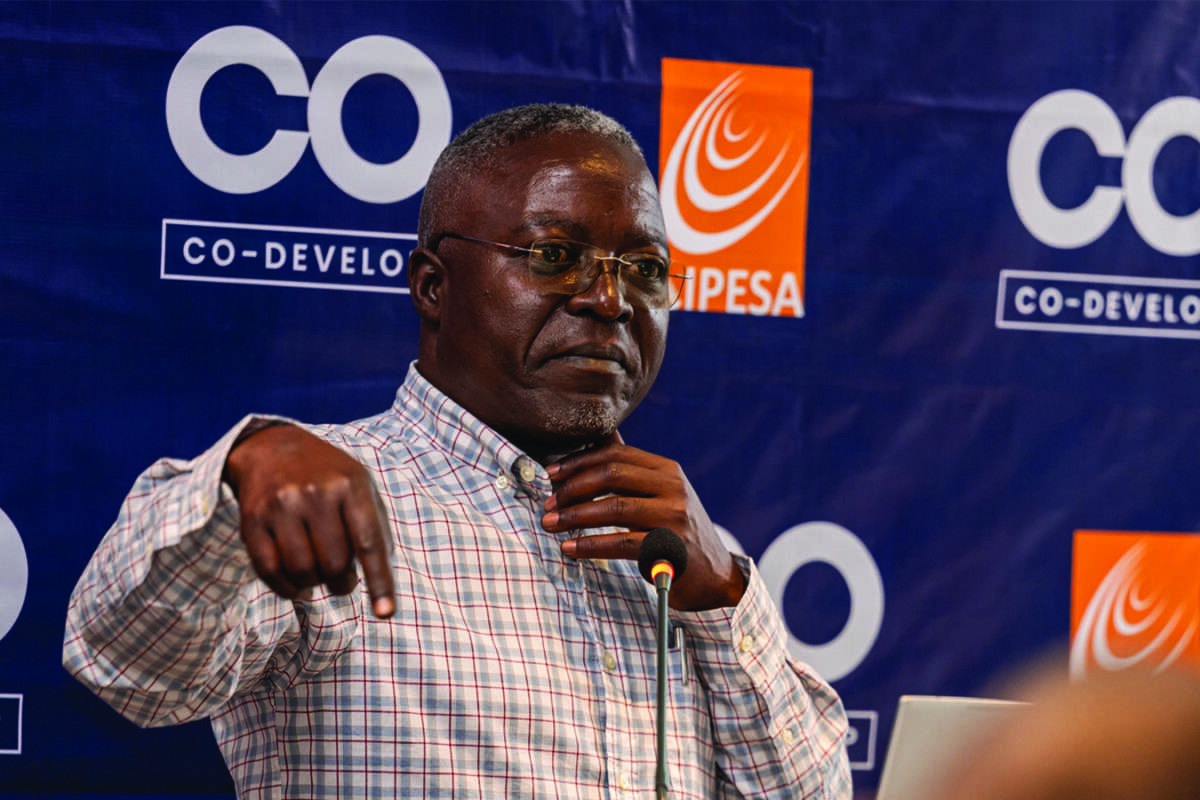
On October 13-15, 2025, the Collaboration on International ICT Policy for East and Southern Africa (CIPESA), in partnership with Co-Develop hosted 20 journalists in a workshop as part of the Digital Public Infrastructure (DPI) Journalism Fellowship for Eastern Africa. This is a regional initiative aimed at strengthening journalists’ capacity to report knowledgeably and critically on DPI and Digital Public Goods (DPGs) in the region.

The workshop took place in Nairobi, Kenya and brought together journalists from Burundi, the Democratic Republic of the Congo, Ethiopia, Kenya, Rwanda, Somalia, South Sudan, Tanzania, and Uganda, who are receiving both knowledge-and skills-based training alongside a reporting grant to produce in-depth DPI stories.

At an inaugural virtual workshop held in August 2025, the Fellows examined among others, Digitalisation and digital rights in Eastern Africa; UN and African Union frameworks on DPI; the DPI ecosystem in Eastern Africa; and Media coverage of DPI across nine countries, based on CIPESA’s ongoing research. The workshop also provided practical training in journalism skills, including technology beat reporting, conceptualising story ideas, writing effective pitches, data storytelling, and the use of AI in storytelling.

Report Launch

Following the workshop, a regional public event was hosted on October 16, 2025, and served to showcase findings from a multi-country media monitoring study on DPI coverage conducted y CIPESA. 

The report presents the findings of a baseline study on media coverage of Digital Public Infrastructure (DPI) and Digital Public Goods (DPGs) across seven Eastern African countries in 2024: Democratic Republic of Congo (DRC), Ethiopia, Kenya, Rwanda, South Sudan, Tanzania, and Uganda. Using a mixed-methods approach that combined quantitative content analysis and key informant interviews, the study analysed 680 DPI- and DPG-related stories published in 28 major print and online outlets between January and December 2024. 

The study assessed the volume, prominence, themes, sourcing patterns, and framing of stories and complemented the findings with interviews and focus group discussions involving journalists, editors, and experts. The study reveals that while media in the region are actively reporting on digital transformation, the coverage is largely event-driven, government-centric, and male-dominated. It focuses primarily on the functional benefits of DPI—such as service delivery and innovation—while giving limited attention to critical issues of governance, data privacy, equity, and citizen inclusion.

Find the report summary here

Why African Languages and Knowledge Systems Matter in Online Governance

By Juliet Nanfuka |

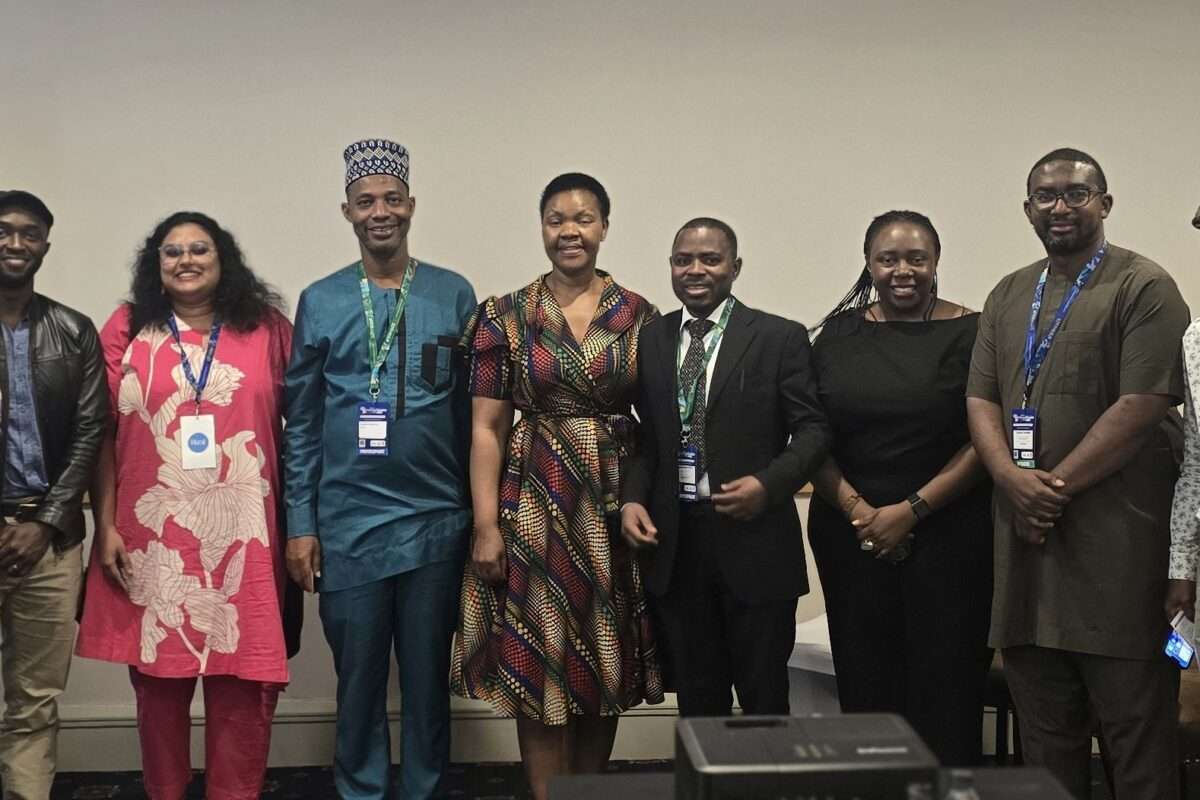
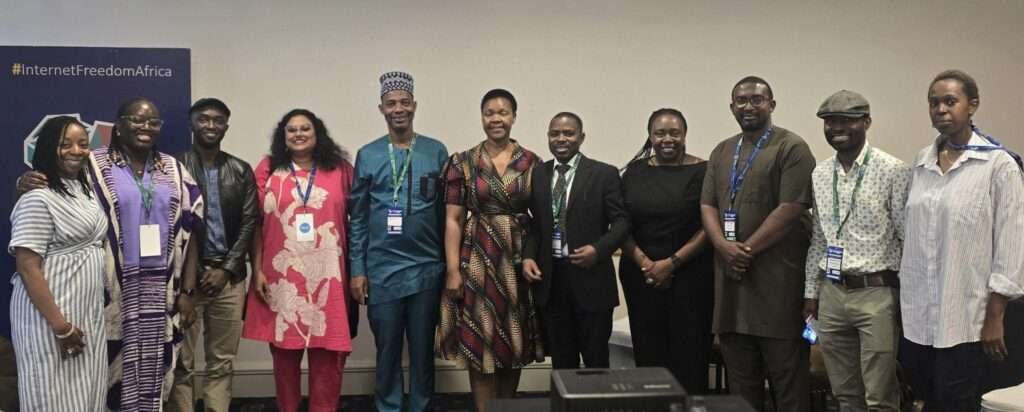
During a multistakeholder consultation held at the Forum on Internet Freedom in Africa (2025) that took place in Windhoek, Namibia, participants called attention to the urgent need to elevate African languages and indigenous knowledge systems within global internet governance. The consultation, hosted by UNESCO and the Collaboration on International ICT Policy for East and Southern Africa (CIPESA) highlighted the urgent need for the digital ecosystem to be more representative and responsive to the realities of African users. The consultation which comprised experts from academia, artificial intelligence (AI) experts, civil society and the media took place on September 26, 2025. One of the strongest concerns raised related to the ways in which big tech companies classify African languages. It was noted that current language identification models are often inaccurate, frequently misclassifying African language datasets which has often resulted in weak or unusable models and contributed to content moderation systems that are inadequately built to address the information disorder in African digital spaces.

Opening the session, John Okande, Programme Coordinator at UNESCO highlighted the UN International Decade of Indigenous Languages (2022-2032) which provides a global mandate to protect and promote linguistic diversity. He noted that this initiative aligns with the principles of UNESCO’s Guidelines for the Governance of Digital Platforms and the UN Global Principles on Information Integrity, which both call for multi-stakeholder action to ensure technology serves all communities equitably. Okande emphasised that these global frameworks “require deliberate adaptation to Africa’s unique linguistic and cultural contexts.” Various initiatives by UNESCO to promote multilingualism in cyberspace demonstrate the value of localised interventions that safeguard freedom of expression while building community resilience including. Among these is the Social Media for 4 Peace (SM4P) global initiative aimed at building societies’ resilience to online harmful content, disinformation and hate speech, while safeguarding freedom of expression and fostering peace through social media.

The consultation also laid bare how AI and Large Language Models (LLMs) can amplify harm. LLMs sometimes provide harmful or dangerous responses due to the data they are trained on being low-quality or biased. In many cases, outsourced data trainers lack supervision, and limited regulatory frameworks to ensure ethical or safe training processes.

Many LLMs lack basic safety guardrails for African languages in comparison to English where harmful queries are often flagged and blocked. This disparity is illustrative of the persisting data inequalities in the AI ecosystem.

Tajuddeen Gwadabe, Programs and MEL Lead at Masakhane African Languages Hub noted that while languages like Hausa have tens of millions of speakers, only one dialect, often the standardised, formal variant is what gets represented online. Entire linguistic communities, such as speakers of the Sokoto dialect, are rendered invisible in digital datasets.

Participants shared similar concerns as they noted that the broader online representations of African languages tend to reflect how language is used when written, and not how languages are spoken. They noted that code-mixing, slang, tonal nuance, gestures, and layered cultural meaning are nearly impossible for AI to capture without intentional investment.

“Despite African languages having a large number of speakers, digital spaces often only represent one variant or standardised dialect. For instance, in Hausa, only the standard writing from Kano is represented, while dialects from Sokoto “are hardly ever present.”

The consultation highlighted concerns in African intellectual infrastructure which serves as the basis for knowledge creation and dissemination including the facilitation of downstream productive activities, including information production, innovation, development of products, education, community building and interaction, democratic participation, socialisation, and many other socially valuable activities.

Dr. Phathiswa Magopeni, Executive Director of the South Africa Press Council, noted the urgent need to build African intellectual infrastructure alongside efforts to elevate African languages in the digital society. She highlighted the dominance of the English language including in African policy and regulatory documents across many countries and argued that this serves to protect English, but at the cost of indigenous languages.

She noted, “We are often willing to compromise the essence of our own languages in the belief that doing so will grant us access to spaces dominated by English. Meanwhile, the speakers of English continue to protect their language.” Dr. Magopeni emphasised that many African languages lack foundational datasets across academic, scientific, legal, and technical fields that are essential for the long-term strengthening of African intellectual infrastructure.

The consultation went on to raise various dynamics about the state of the current ecosystem including on the extent to which African identity gets lost online as Africans adjust their identity to suit the limitations of digital platforms. Further, there was debate on the extent to which platforms should be compelled to adapt to African contexts with consensus reached on that fact that political will is necessary to advance African languages in digital spaces. It was noted that without policymakers prioritising local languages including in Parliament, service delivery and publicly accessible data, there will be limited improvement.

Digital Rights research and political analyst Dércio Tsandzana illustrated the case of Mozambique noting that in Parliament, some members of parliament do not effectively participate all through their mandate due to their inability to speak Portuguese which is the national language. “If we don’t have politicians or policy makers that want to change first in their countries we will not see any change (by platforms).” Tsandzana noted.

Ultimately gaps in African languages online will continue to remain a sore point for disinformation and continent moderation due to the deep-seated issues concerning data quality, the nature of language use, and the limitations of AI technology.

The consensus from the consultation was that there is a need for more collaboration between stakeholders and an ecosystem-wide approach in African AI development. It was noted that universities, particularly African language departments, hold extensive expertise on standardised linguistic forms. Meanwhile, stakeholders such as governments which hold immense amounts of public data, through to community institutions such as local radio stations reflect how languages are used today all have a role to play in contributing to how African languages are integrated in AI. Thus, big tech companies need to work more cohesively with a broader spectrum of stakeholders.

Further, there was agreement in the urgency of populating the internet with more African content including  stories, proverbs, folklore, and history. As AI continues to learn using whatever data is available, African content must be present and accurate. Thus there is a need to invest in indigenous language content development, strengthen African intellectual infrastructure, and to also demand accountability from global platforms. These efforts require the development of practical and context-specific action plans for policymakers and tech platforms to realise African indigenous language and knowledge systems in the digital ecosystem.