Press Statement |
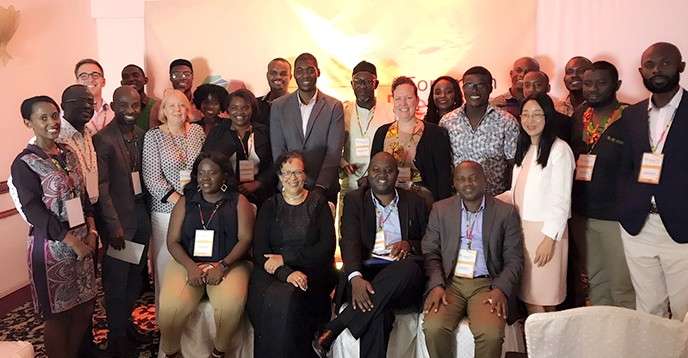
On September 27–29, 2017, the Forum on Internet Freedom in Africa 2017 (FIFAfrica17) will be held in Johannesburg, South Africa. The landmark event convenes various stakeholders from the internet governance and online rights arenas in Africa and beyond to deliberate on gaps, concerns and opportunities for advancing privacy, access to information, free expression, non-discrimination and the free flow of information online.
This year’s convening that is organised by the Collaboration for International ICT Policy in East and Southern Africa (CIPESA) and the Association for Progressive Communications (APC) brings together up to 250 participants from more than 35 countries. This is the first time that FIFAfrica is hosted outside of Uganda where it has been held since its inception in 2014. The Forum’s expanding footprint mirrors the growing popularity of the event which launched with 80 participants.
More than 40 speakers representing a diversity of organisations have been lined up for FIFAfrica17, including from the Berkman Klein Center for Internet & Society at Harvard University, Nigerian social enterprise Paradigm Initiative, Zambian tech accelerator BongoHive, Jamii Media, a Tanzanian company that runs one of the most popular online discussion boards in in East and Central Africa, media rights organisation International Media Support, the University of the Witswatersrand and University of Oxford. Others include global internet advocacy groups Access Now, Small Media, the Internet Society, the Kenya ICT Action Network (KICTANet) and Global Partners Digital. The search engine Google and social networking site Facebook will also be present as will various development foundations and organisations.
Recognised as one of the top Africa tech-preneurs in Africa, Rebecca Enonchong, founder of the global enterprise application solutions provider AppsTech, will give a keynote address and also share insights as a panellist, on big data in Africa.
Launch of State of Internet Freedom in Africa 2017 Report
Documenting the factors that impact upon internet freedom is a key component of CIPESA’s work. Over 20 reports on select countries have been produced since 2014, giving in-depth insight and accounts of the state of internet freedom. Additionally, three reports which give thematic insights have been produced including in 2014 when the Policies And Practices Defining Internet Freedom in East Africa were investigated. In 2015 the report presented a Survey on Access, Privacy and Security Online. Last year’s report looked at the “Strategies African Governments Use to Stifle Citizens’ Digital Rights.
In 2017, the report looks at the grey area that telecommunication service providers navigate when trying to remain profitable and meet their clients’ demands while adhering to legal obligations to the state – often at the cost of users’ freedom of expression and the right to privacy and to access information.
Recognising Access to Information
The Forum will serve as a platform to mark the second year of the International Day for Universal Access to Information (IDUAI), in partnership with UNESCO Regional Office for Southern Africa. Speakers shall include representatives from the Southern African Development Community, media houses and the UNESCO Regional Director for Southern Africa.
About the Forum on Internet Freedom in Africa 2017 (FIFAfrica17)
Thematic discussions FIFAfrica17 are built around themes drawn from the 13 principles of the African Declaration on Internet Rights and Freedoms (www.africaninternetrights.org).
FIFAfrica17 will also feature digital security clinics hosted by Access Now and DefendDefenders, who will provide on-site advice and support on tools to secure digital devices and communications.
Pre-events at the Forum (to be held on September 26 and 27) include a Digital Tools Localisation Sprint hosted by the Localisation Lab which aims to advance the adoption of Internet freedom tools in Africa through translation of technologies and creation of key resources to support the education, training, and adaptation of digital security and circumvention tools. A workshop on Strategic Digital Rights Litigation hosted by the Berkman Klein Center for Internet & Society at Harvard University aims to build capacity on the use of litigation as an effective tool in removing restrictions on the free flow of information online in countries with repressive internet regimes. The workshop will encourage internet activists to collaborate across disciplinary silos to more effectively push back against legal frameworks that are not conducive to a free and open internet. The APC, CIPESA and Small Media will also host a workshop on Human rights review mechanisms, which will take participants through African and UN Periodic Reviews processes.
The Forum will be held at Sunnyside Park Hotel, Princess of Wales Terrace & Carse O’Gowrie Rd, Parktown, Johannesburg, South Africa.
Additional information on the evolution of the Forum can be found at www.internetfreedom.africa
For more information contact [email protected] or Juliet Nanfuka: +256 77 394 9345
Join us at the Forum on Internet Freedom in Africa 2017 (FIFAfrica17): Register Today!
Register and join those who already have set their sights on joining us at #FIFAfrica17 as we continue to advocate for an internet that is free, secure and open. We have received many session proposals and suggestions but are still open to receiving a few more. As you register, you are still welcome to add your suggestion – we’ll try our best to find a way of addressing the topics you raise. Successful session proposals will be listed on the Forum webpage on August 10, 2017.
Travel Support
Last year we received over 400 applications for travel support of which we were able to support less than one-fifth of the applicants. Our vision is to have a Forum with representation from as many countries in Africa as possible. As part of the registration process, we make room for interested participants to submit an application for travel support.
Exhibit at #FIFAfrica17
Participation in the Forum takes various forms. Some want to talk, others want to listen and some want to show what they do. We are expanding exhibition space at the Forum and are thus inviting proposals from individuals,organisations and companies who wish to showcase their work, projects and products at #FIFAfrica17. The exhibition opportunity is free but we encourage a voluntary contribution to enable us ensure that the #FIFAfrica17 experience is as insightful as it is memorable. Please follow this link and let us know your exhibition idea.
#FIFAfrica17 is co-hosted by the Collaboration on International ICT Policy for East and Southern Africa (CIPESA) and the Association for Progressive Communications (APC)
The Evolution of Internet Shutdowns in DR Congo
By Arsene Tungali |
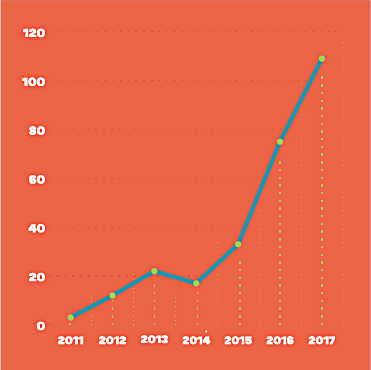
In the past seven years, citizens in the Democratic Republic of Congo (DRC) have experienced a series of intentional interruptions to online communications, affecting the exercise of rights to freedom of expression and information as well as access to services.
The first shutdown of digital communications reported in DRC was in December 2011. The shutdown affected SMS, and lasted 25 days. At the time, few people appreciated the magnitude of this state-initiated act or knew how to respond to it.
The SMS shutdown came in the aftermath of the general elections but just before the announcement of the election results. One of the reasons cited by the government for blocking communication was to prevent the spread of fake results over the internet before the electoral commission announced official results. This SMS communications shutdown went largely unnoticed by the global community who had been captivated earlier in the year by the January 2011 Egyptian internet shutdown.
Three years later in January 2015, the Congolese government again ordered telecommunications companies to block access not only to SMS but also the internet. This shutdown came on the backdrop of protests against a proposed electoral bill. Whereas banks and government agencies were granted access to the internet four days after the shutdown, the general public did not regain access until after three weeks.
The most recent Internet shutdown in DRC occurred on December 19, 2016 – the day President Joseph Kabila was supposed to step down as head of state. There were a lot of planned protests across the country against the president’s stay in office beyond the two term limit, in response to which the government ordered telecom operators to block to social media sites as an attempt to thwart mobilising by protestors.
Recent statistics show that for a population of over 70 million, only 4% of the inhabitants are connected to the Internet due to limited infrastructure and high access costs. Nonetheless, those with access are exploiting various online tools for communication, discourse on governance and activism. According to the State of Internet Freedom in DRC 2016 report, political parties maintain WhatsApp groups for strategic planning of campaign rallies. Meanwhile, through trending hashtags on social media, activists and ordinary citizens create public awareness on issues such as arbitrary arrests and other human rights concerns.
Government actions such as shutdowns, alongside surveillance and censorship practices as documented in the 2016 report, undermine the development of inclusive internet society in the central African country.
“There should be more effort towards developing infrastructure, progressive legislations, private sector investment, local content in local languages and more trainings in digital rights and digital security.” State of Internet Freedom in DRC 2016
As internet users have become more conscientious of their online rights, many activists and Internet users have turned to the use of Virtual Private Networks (VPN) to circumvent internet blockages. Many more are interested in taking digital security trainings, which explore topics like encryption, mitigating surveillance and tools for safe online communication.
“We knew nothing about VPNs until Internet was blocked in the DRC.” DRC Journalist
The trend of governments initiating internet shutdowns, not only in DRC, has attracted global condemnation. In many cases, these calls have gone unanswered by government officials and communication regulators, leading many to believe that this trend is likely to continue. In the spirit of the multi-stakeholder model of internet governance, other actors (not only government) should continue to play active roles to counter this practice or to support initiatives aimed at promoting more access and affordability in developing countries.
- Continued pressure on governments: Stakeholders should keep on applying pressure to those governments that shut down the internet. They should also increase awareness of the implication of a shutdown including the economic losses suffered at a national and micro level. However, this should be supplemented with more research on the economic impact of Internet shutdowns.
- The Autonomy of Service Providers: Telecommunications companies often receive orders from governments to block internet access. Clauses in their license agreements force them to comply when such orders are issued, failure of which could result in termination of licences. Nonetheless, telecom companies and ISPs should more actively release details of government information requests, takedown and shutdown notices in a bid to support the transparency of processes and accountability of oversight bodies.
- Civil society organisations and awareness: CSOs are among the most vocal groups condemning internet shutdowns in alliance with end-users, activists, journalists, and even private sector. They should also increase the number of trainings and capacity building programs on digital security and inform more people of their digital rights in order to be in a position to demand these rights.
- Development of Progressive Policy: In DRC there is a pressing need for new laws that cover the ICT sector. Apart from the constitution, there are only two legislations (the first on Telecommunications and the other establishing the Regulator) both from 2002. The existing legislative and policy framework need to be updated and reframed to provide more clarity on the role of all players in DR Congo’s ICT arena and to provide for online privacy and freedom of expression.
Internet Freedom Festival 2017: CIPESA to Host Session on Navigating Internet Freedom Challenges in Africa
By Lillian Nalwoga |
The annual Internet Freedom Festival (IFF) has commenced in Valencia, Spain with hundreds of journalists, activists, technologists, policy advocates, digital safety trainers, and designers from around the world in attendance. The Collaboration on International ICT policy for East and Southern Africa (CIPESA) will host a session “Internet Freedom in Africa: Navigating the challenges” to spark conversation on current internet freedom challenges in Africa while providing possible solutions. In addition, CIPESA shall join panel sessions hosted by partners, such as the Association for Progressive Communications (APC), Hivos, the Ford Foundation and International Media Support (IMS).
The IFF is built upon the goals of creating an inclusive information and resource sharing space, increasing the diversity of the internet freedom community, and collectively improving the services, strategies, and tools offered to the most vulnerable individuals by mapping censorship, surveillance and access obstacles faced in different regions in the world.
As internet usage rises in Africa, so do the abuses and attacks on online rights fuelled by the proliferation of laws which negate the rights to privacy and freedom of expression. Further, limited judicial oversight over surveillance and interception of communications are contributing to self-censorship and threatening civic participation and free flow of information online.
The ethos of the IFF resonates with CIPESA’s areas of the work. These include monitoring online rights violations and information control tactics, championing a network of actors in Africa to advance progressive policy development and multi-stakeholder engagements and capacity building on digital skills among human rights defenders and journalists. The session we shall host on navigating internet freedom challenges in Africa will partly be informed by CIPESA’s report on the State of Internet freedom in Africa 2016 and issues that are influencing the right to information, data privacy and free speech online in Africa. We will also explore the lessons learnt from researching and advocating for internet freedom in various African countries.
The session will offer participants an opportunity to interact with internet freedom thought leaders from Africa by exploring two key questions:
- What is the status of internet freedom in Africa?
- How can we ensure a sustainable approach in promoting a free, open and safe internet in Africa?
Join us Friday March 10, 2017 09:45 – 10:45am in the Visual Room or contribute to the conversation online: #InternetFreedomAfrica @cipesaug @opennetafrica
Other sessions at IFF of interest to CIPESA, some of which shall feature CIPESA staff, include:
- Promoting the African Declaration on Internet Rights and Freedoms, organised by APC.
- Side Dish Regulation: Catching up with Regulation of Internet outside the mainstream, organized by Paradigm Initiative Nigeria (PIN). CIPESA participating on the panel.
- Practical implementations of human rights respecting cybersecurity policy, organised by APC.
- Bridging the localization gap: digital security tools for everyone, organised by IMS. CIPESA participating on the panel.
- Case study: Understanding internet censorship in Africa’s repressive environments through the deployment of OONI software probes and Citizen Lab mixed research methods, organised by CIPIT, Strathmore University.
- Ford Foundation research meeting. CIPESA participating on the panel.
- Celebrating Gender Campaigns in the Global South, organised by APC and AccessNow.
Look out for our session at #InternetFF on #InternetFreedomAfrica: Navigating The Challenges >> We have an exciting lineup of panelists! pic.twitter.com/CyB2DXyXhz
— CIPESA (@cipesaug) March 2, 2017
Africa’s Internet of Things: Challenges and Opportunities
By Dorothy Mudavanhu |
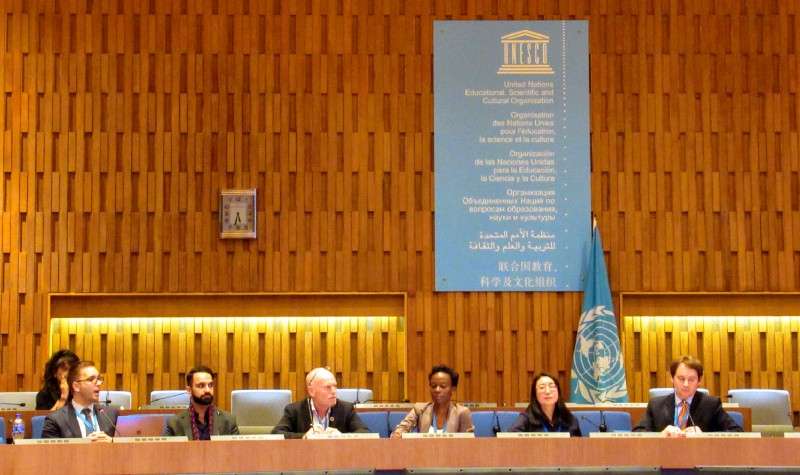
The Forum on Internet Freedom in Africa 2016 served as an opportunity to gather insights from different stakeholders in the information society ecosystem towards promoting a free and safe internet. The platform was used to assemble the different perspectives and thoughts on the path that Internet Freedom should take in Africa. The Forum also gave stakeholders the opportunity to commemorate the International Day of Universal Access to Information held on September 28th every year.
There were fruitful deliberations around issues on transparency and accountability of intermediaries, internet shutdowns and internet rights, using data to track rights, working against normalisation of violence against women online, counting the cost of shutdowns and cyber security strategies for African countries, to name but a few.
Problems Highlighted
- There is a gender divide in access to ICT among women and men and a lack of policies for gender inclusion in ICT.
- Internet users are ignorant of how floating data is used hence the increase in cyber crime challenges such as fraud and online stalking.
- Crimes such as terrorism and hate speech existed long before digital platforms and in order to tackle them, cyber platforms in themselves should not be the problem governments seek to eliminate. Nonetheless, unclear jurisdictions for violators pose a challenge for law enforcement.
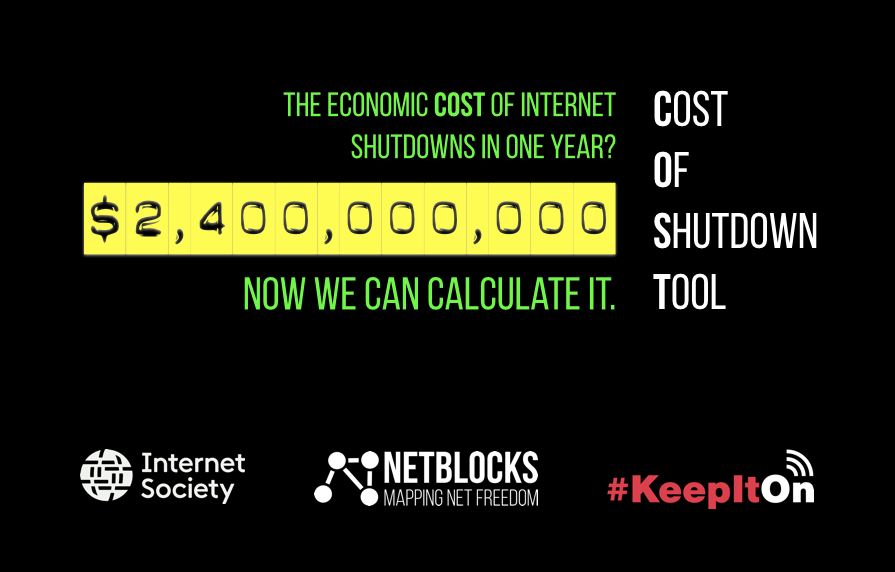
- More and more countries have seen the politicization and militarization of the cyber space as a means to control the free flow of information. This has seen an increase in internet shutdowns and attacks against freedom of expression, which comes at a high expense. Uganda’s two internet shutdowns during 2016 cost the economy an estimated $25 million, according to some estimates.
- Depsite privacy being a fundamental right, less than 20 countries in Africa have data protection laws.
- Who carries the burden of user awareness and understanding of terms of service for social media platforms? Users, service providers or the government? Where do we draw the line?
Positives highlighted
- Citizen awareness and engagement has increased through the use of ICT for participation in governance processes and social accountability.
- Countless businesses are dependent on digital platforms. States might/ will desist from shutdowns once they discover internet shutdowns come with an exorbitant cost to national revenue such as taxation.
- Internet penetration in Africa has increasingly bridged the gap between traditional and new media for citizens.
- Service providers such as Google, Facebook and Whatsapp are working to ensure safety and security of users for their products through innovations such as end-to-end encryption which decreases the chances of interception of communication, as well as community standards and reporting mechanisms.
Recommendations
- Continued lobbying and advocacy for access to the internet for all.
- Human rights-based approaches and principles should be integrated with campaigns for accessibility and inclusivity of the internet.
- There is need for citizens to invest more in media literacy as a way of protecting themselves against false news and misinformation.
- More media coverage of women’s voices and concerns related to the internet.
- Initiation of support spaces to work against online violence, particularly that directed against women. These spaces should be platforms for victims, and also send out positive message that deters violations online.
- Enactment and/or enforcement of all-encompassing cyber laws, through multistakeholder approach, that limit the powers of governments, ensure independent oversight, and uphold rights to privacy, among others.
- Due processes for lodging cyber complaints should be transparent, made easier and less time-consuming.
- Citizens’ access to information especially that held by governments is paramount. Civil society should take a leading role in engaging on information requests and disclosure.
- Regional cooperation should resolve issues on standardisation of ICT sectors including operator standards, market growth and quality of service.
The struggle for internet freedom calls for tenacious stakeholders that do not get weary until the global community realizes unfettered access to information.
This article was first published at Zimbabwe Human Rights NGO Forum on October 10, 2016