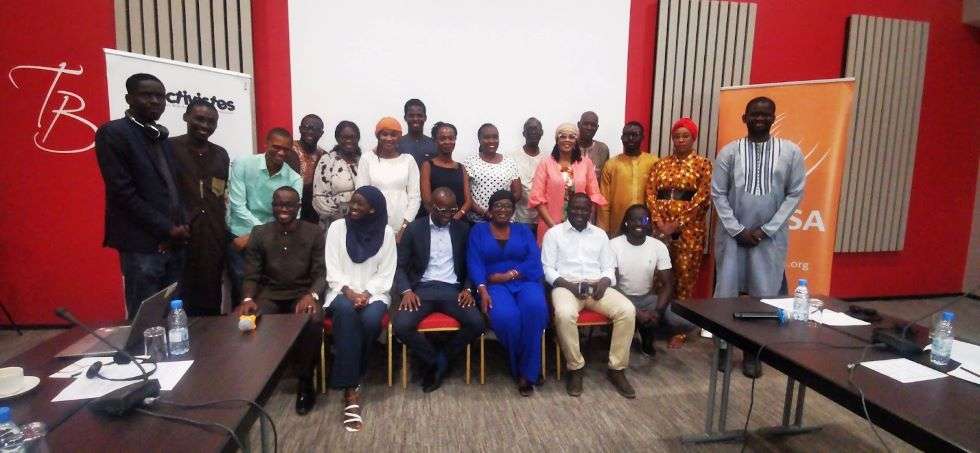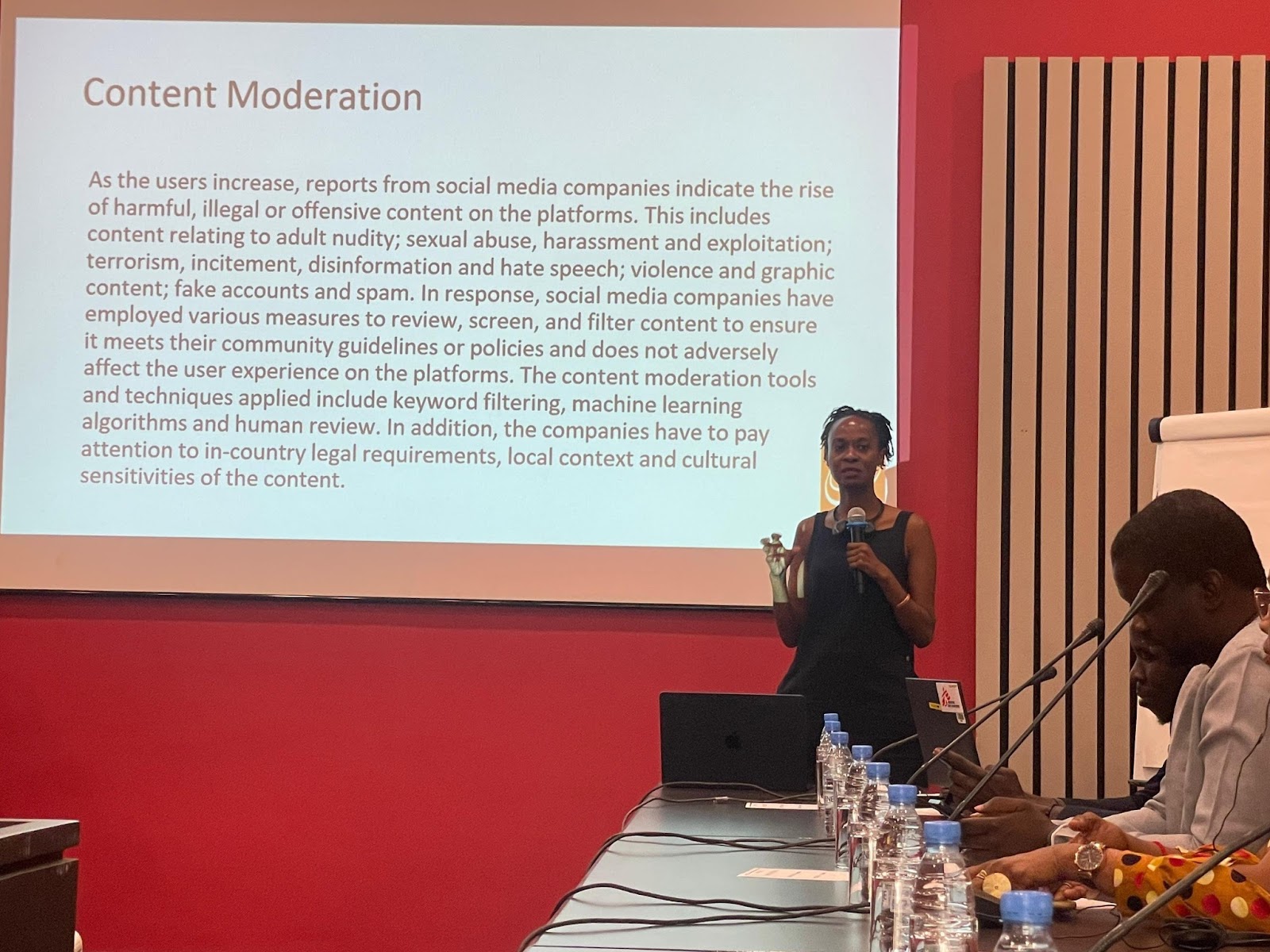
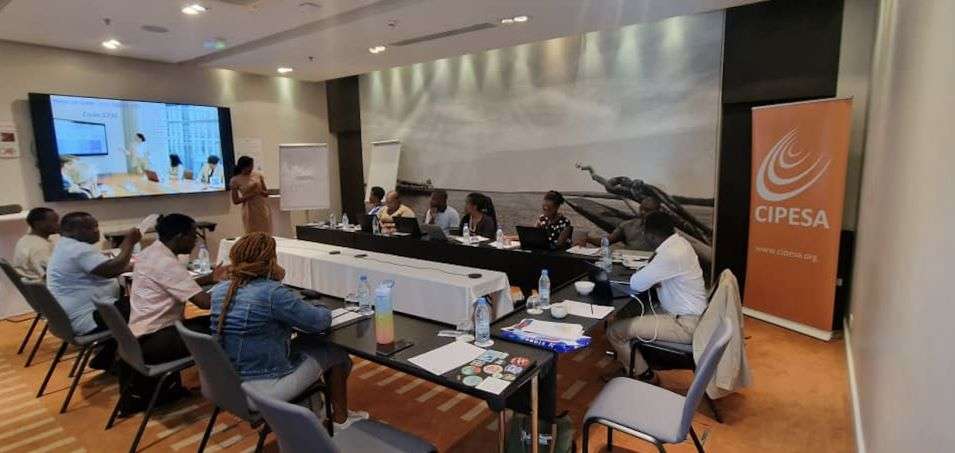
As part of efforts to build digital rights movements in Africa that are impactful and sustainable, the Collaboration on International ICT Policy for East and Southern Africa (CIPESA) trained civil society organisations (CSOs) from Lesotho, Mozambique, Tanzania, Uganda, and Zimbabwe on digital rights advocacy and campaigning. The training, which was conducted February 6-7, 2024, in Dakar, Senegal, featured sessions on methodologies for tech accountability, campaign planning and strategies, impact communications, and media relations. The training also featured experience-sharing sessions on stakeholder engagement by the Global Network Initiative (GNI) and the Senegalese Personal Data Protection Commission (CDP).
The training included participants from the African Centre for Media Excellence (ACME), Internet Society Lesotho Chapter, Digital Agenda for Tanzania Initiative, as well as the Media Institute of Southern Africa (MISA) Mozambique and Zimbabwe chapters – all Local Partners of the Global Internet Freedom (GIF) program, an initiative of Internews. The partners are implementing various interventions aimed at promoting in-country stakeholder engagements on digital rights issues, particularly digital identity and data protection. As a Regional Partner for GIF, CIPESA’s role is to coordinate activity implementation by the local partners, support learning and exchange among the partners, as well as support their network building, including through the annual Forum on Internet Freedom in Africa (FIFAfrica).
The Local Partners’ advocacy initiatives are expected to leverage the Ranking Digital Rights Corporate Accountability Index Key findings and recommendations. The index analyses the policies and practices of eight leading telecommunications companies operating across four African countries — Tanzania, Uganda, Zambia, and Zimbabwe and the resultant effects of these policies on freedom of expression and privacy.
“Existing research, such as that by Ranking Digital Rights and CIPESA’s annual report on the State of Internet Freedom in Africa, are critical resources that provide an overview of the continent’s landscape and support our conduct of evidence-based advocacy engagements with government actors and telecommunication companies,” noted Apolo Kakaire, Communication and Advocacy Manager, ACME, Uganda.
Similarly, networks and alliances such as the GNI, of which CIPESA is a member, alongside internet and telecommunications companies, human rights groups, investors, and academic institutions, are strategic alliances for advocacy engagements. “We have relationships with some of the telecom companies you [CSOs] are likely to engage and pledge support for outreach to their global and national offices as needed, ” said GNI’s Program and Operations Associate Montserrat Legorreta.
Indeed, as stated by Peter Mmbando from Digital Agenda for Tanzania Initiative, local CSOs experience challenges engaging with telecom companies. “We often invite them to engagements, but they don’t show up. Support from GNI to get the telecom giants in the rooms will be highly appreciated,” said Mmbabo.
The interventions of the six trained CSOs are expected to promote increased knowledge of internet freedom issues and advance human rights in the digital space in their respective countries.