
By CIPESA Writer |
Digital platforms serve as vital spaces for civic participation, political expression, and social mobilisation throughout Africa, including for women, youths, and human rights advocates. However, there has been a rise in digital hams that threaten online rights, safety, and democratic engagement. Technology-Facilitated Gender-Based violence (TFGBV), disinformation, digital surveillance, and increasingly complex attacks made possible by Artificial Intelligence (AI) are all on the rise in African online spaces. The majority of those harmed are journalists, activists, women and girls.
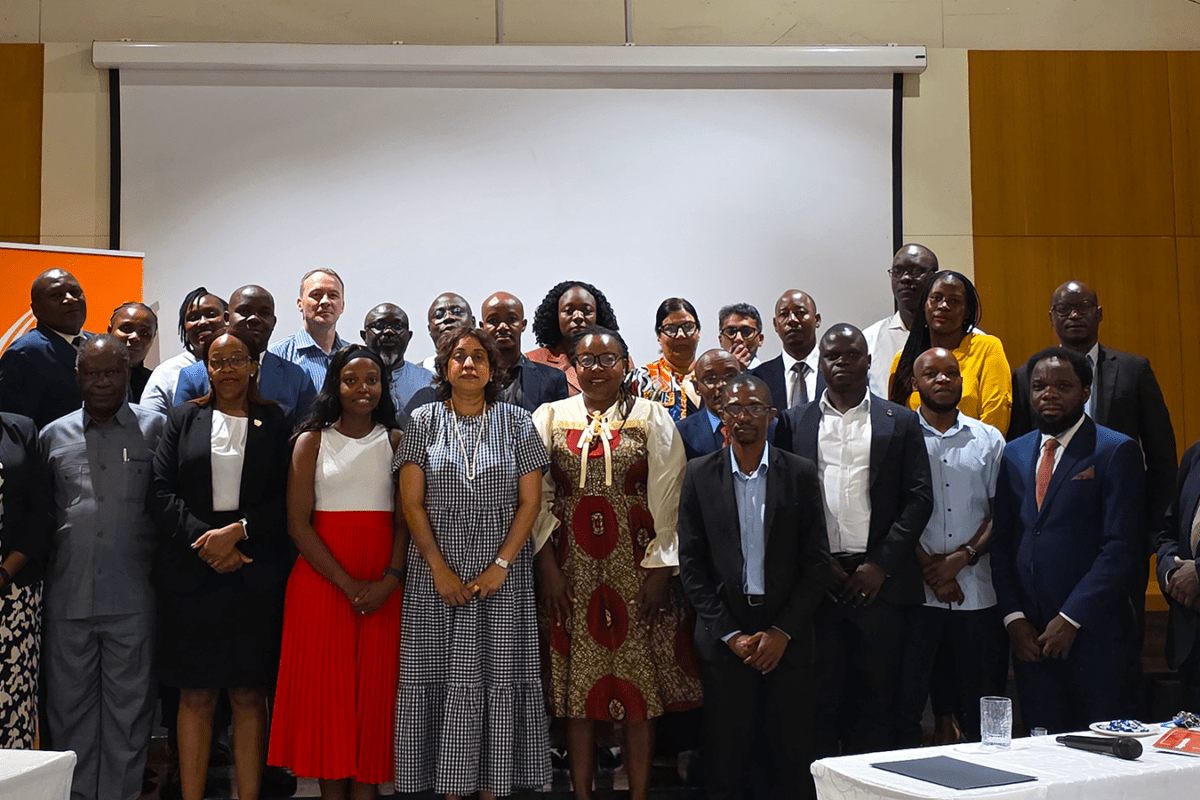
To address these challenges, the Collaboration on International ICT Policy for East and Southern Africa (CIPESA) last month convened a two-day regional engagement in Mauritius to explore trends in digital harms and equip state actors with practical tools and guidance to monitor, prevent, and respond to online rights violations. It drew 30 participants from seven countries (Kenya, Malawi, Mauritius, South Africa, Tanzania, Uganda and Zimbabwe). They included judges, magistrates, law enforcement officers, communications regulators, and representatives of data protection authorities and National Human Rights Institutions (NHRIs).
Although the internet and digital technologies have enhanced civic participation and broadened the enjoyment of human rights, they have also brought about new risks for individuals and organisations. Accordingly, the discussion addressed the evolving nature of online harms and their impact on digital rights and democratic engagement.
Across all countries in the region, TFGBV is a major concern. Women in public roles, such as politicians, journalists, and activists, face a rising wave of online harassment, sexualised threats, and disinformation campaigns aimed at intimidating and silencing them. In countries like Kenya, Uganda, Zimbabwe, and South Africa, these attacks increase significantly during elections, compelling numerous women to withdraw from public engagement.
Disinformation and AI-driven manipulation present another concern. Coordinated disinformation campaigns, often amplified by bots and increasingly reliant on synthetic media like deepfakes, influence public opinion and target independent and critical voices. In countries where laws are enacted to address these ills, they often fail to target harmful manipulation and are instead weaponised to suppress legitimate expression.
For instance, laws on cybercrime and “false information”in countries like Tanzania, Zimbabwe, Kenya, and Uganda are often broadly framed, with ambiguous provisions and overly broad definitions and excessive penalties. These laws are frequently applied to detain and prosecute individuals, primarily journalists, bloggers and social accountability activists. Even where prosecutions are rare, the chilling effect on civic engagement is significant.
The engagement also heard that, in several countries, surveillance-enabling measures, from SIM card registration linked to national IDs, to biometric voter databases and interception technologies, have expanded without proper independent oversight.
Speaking at the engagement, the African Commission on Human and Peoples’ Rights (ACHPR) Commissioner and Special Rapporteur on Freedom of Expression and Access to Information in Africa, Ourveena Geereesha Topsy-Sonoo, discussed how her mandate was addressing digital harms and promoting rights. She highlighted the commission’s resolution against internet disruptions and Resolution 591, which addresses the growing issue of violence against women on digital platforms across the continent.
In 2019, the ACHPR adopted the Declaration of Principles on Freedom of Expression and Access to Information in Africa and has more recently issued resolutions addressing digital violence against women. However, most governments are yet to domesticate and implement these key instruments.
The meeting also underscored how democratic backsliding, shrinking civic space, and the expansion of executive power, as witnessed in several countries, create an environment in which digital harms flourish. While instruments such as the African Charter, the Malabo Convention on Cyber Security and Personal Data Protection, and the Convention on the Elimination of All Forms of Discrimination Against Women (CEDAW) provide safeguards, their impact depends on independent courts, empowered regulators, and capable NHRIs.
Participants noted that limited capacity, resources, and coordination across government institutions often undermine enforcement, monitoring, and accountability. The Mauritius engagement therefore, recommended establishing stronger institutional capacity, such as inter-ministerial committees on digital rights, to foster collaboration among key actors responsible for protecting digital rights.
Participants further explored practical approaches to monitoring digital rights violations, supporting survivors of online abuse, and ensuring accountability for harmful online behaviour. These discussions also drew from a handbook developed by the International Center for Not-for-Profit Law (ICNL) and CIPESA, which provides guidance for NHRIs on monitoring and promoting digital rights.
In particular, the convening challenged NHRIs to play a greater role in addressing digital harms through investigating violations, providing remedies to victims, advising on legislation and standards, and conducting public education.
Another focus of the discussions was the role of technology companies in moderating harmful content. Participants highlighted concerns that major platforms such as Meta and X do not allocate sufficient resources to content moderation in Africa. In many cases, moderation systems rely heavily on automated tools that are poorly adapted to local languages and socio-political contexts, while the number of human moderators covering African content remains limited.
Participants recommended that African governments strengthen their engagement with big tech companies through regional mechanisms such as the African Union, to present a more coordinated voice on issues of platform accountability.
Through this engagement, CIPESA strengthened the capacity of state actors to safeguard digital rights, highlighting that protecting these rights is both their legal mandate and central to growing democratic resilience and inclusion across Africa. The engagement was supported by the Irene M. Staehelin Foundation.