

Elevating Children’s Voices and Rights in AI Design and Online Spaces in Africa

By Patricia Ainembabazi

As Artificial Intelligence (AI) reshapes digital ecosystems across the globe, one group remains consistently overlooked in discussions around AI design and governance: Children. This gap was keenly highlighted at the Internet Governance Forum (IGF) held in June 2025 in Oslo, Norway, where experts, policymakers, and child-focused organisations called for more inclusive AI systems that protect and empower young users.

Children today are not just passive users of digital technologies; they are among the most active and most vulnerable user groups. In Africa, internet use among youths aged 15 to 24 was partly fuelled by the Covid-19 pandemic, hence their growing reliance on digital platforms for learning, play, and social interaction. New research by the Digital Rights Alliance Africa (DRAA), a consortium hosted by the Collaboration on International ICT Policy for East and Southern Africa (CIPESA), shows that this rapid connectivity has amplified exposure to risks such as harmful content, data misuse, and algorithmic manipulation that are especially pronounced for children.

The research notes that AI systems have become deeply embedded in the platforms that children engage with daily, including educational software, entertainment platforms, health tools, and social media. Nonetheless, Africa’s emerging AI strategies remain overwhelmingly adult-centric, often ignoring the distinct risks these technologies pose to minors. At the 2025 IGF, the urgency of integrating children’s voices into AI policy frameworks was made clear through a session supported by the LEGO Group, the Walt Disney Company, the Alan Turing Institute, and the Family Online Safety Institute. Their message was simple but powerful: “If AI is to support children’s creativity, learning, and safety, then children must be included in the conversation from the very beginning”.

The forum drew insights from recent global engagements such as the Children’s AI Summit of February 2025 held in the UK and the Paris AI Action Summit 2025. These events demonstrated that while children are excited about AI’s potential to enhance learning and play, they are equally concerned about losing creative autonomy, being manipulated online, and having their privacy compromised. A key outcome of these discussions was the need to develop AI systems that children can trust; systems that are safe by design, transparent, and governed with accountability.

This global momentum offers important lessons for Africa as countries across the continent begin to draft national AI strategies. While many such strategies aim to spur innovation and digital transformation, they often lack specific protections for children. According to DRAA’s 2025 study on child privacy in online spaces, only a handful of African countries have enacted child-specific privacy laws in the digital realm. Although instruments like the African Charter on the Rights and Welfare of the Child recognise the right to privacy, regional frameworks such as the Malabo Convention, and even national data protection laws, rarely offer enforceable safeguards against AI systems that profile or influence children.

Failure to address these gaps will leave African children vulnerable to a host of AI-driven harms ranging from exploitative data collection and algorithmic profiling to exposure to biased or inappropriate content. These harms can deprive children of autonomy and increase their risk of online abuse, particularly when AI-powered systems are deployed in schools, healthcare, or entertainment without adequate oversight.

To counter these risks and ensure AI becomes a tool of empowerment rather than exploitation, African governments, policymakers, and developers must adopt child-centric approaches to AI governance. This could start with mainstreaming children’s rights such as privacy, protection, education, and participation, into AI policies. International instruments like the UN Convention on the Rights of the Child and General Comment No. 25 provide a solid foundation upon which African governments can build desirable policies.

Furthermore, African countries should draw inspiration from emerging practices such as the “Age-Appropriate AI” frameworks discussed at IGF 2025. These practices propose clear standards for limiting AI profiling, nudging, and data collection among minors. Given that only 36 out 55 African countries currently have data protection laws, with few of them containing child-specific provisions, policymakers must take efforts to strengthen these frameworks. Such reforms should require AI tools targeting children to adhere to strict data minimisation, transparency, and parental consent requirements.

Importantly, digital literacy initiatives must evolve beyond basic internet safety to include AI awareness. Equipping children and caregivers with the knowledge to critically engage with AI systems will help them navigate and question the technology they encounter. At the same time, platforms similar to the Children’s AI Summit 2025 should be replicated at national and regional levels to ensure that African children’s lived experiences, hopes, and concerns shape the design and deployment of AI technologies.

Transparency and accountability must remain central to this vision. AI tools that affect children, whether through recommendation systems, automated decision-making, or learning algorithms, should be independently audited and publicly scrutinised. Upholding the values of openness, fairness, and inclusivity within AI systems is essential not only for protecting children’s rights but for cultivating a healthy, rights-respecting digital environment.

As the African continent’s digital infrastructure expands and AI becomes more pervasive, the choices made today will define the digital futures of generations to come. The IGF 2025 stressed that children must be central to these choices, not as an afterthought, but as active contributors to a safer and more equitable AI ecosystem. By elevating children’s voices in AI design and governance, African countries can lay the groundwork for an inclusive digital future that truly serves the best interests of all.
Reflections From the WSIS+20 Africa Regional Stakeholder Workshop

By Lillian Nalwoga and Patricia Ainembabazi

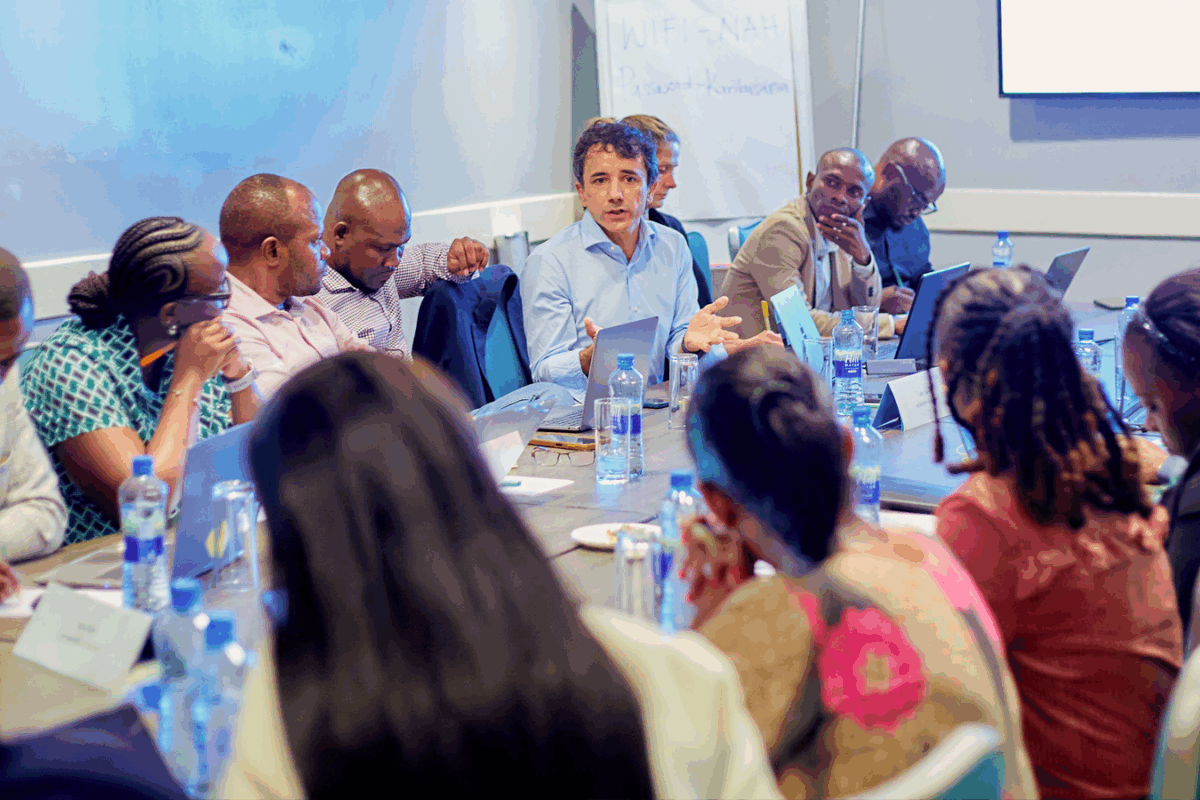
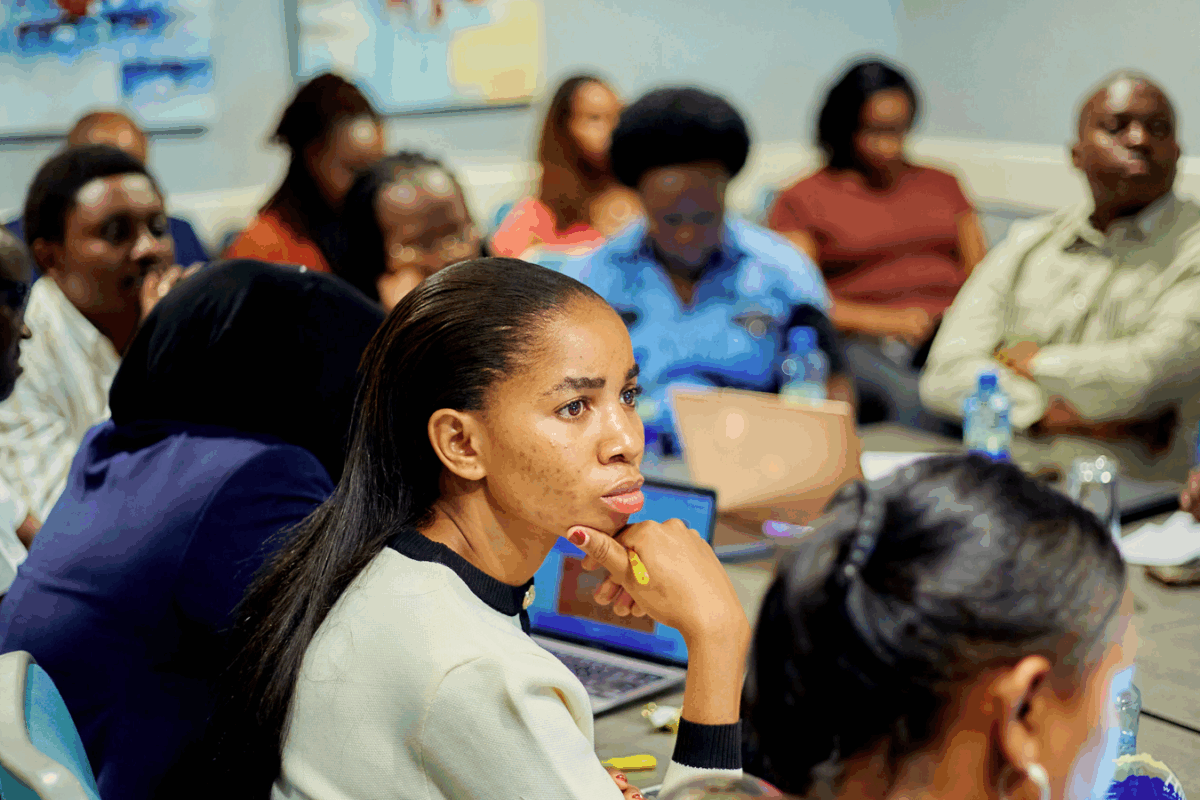
As the twenty-year review of the World Summit on the Information Society (WSIS+20) approaches, the need for inclusive, well-coordinated, and well-informed African participation has become more urgent than ever. In response, the Collaboration on International ICT Policy for East and Southern Africa (CIPESA), with support from the Civil Society Alliances for Digital Empowerment (CADE) project  the Global Network Initiative (GNI), and Global Partners Digital (GPD), convened a regional stakeholder workshop on May 28, 2025, in Dar es Salaam, Tanzania. Held as a pre-event to the 2025 Africa Internet Governance Forum (AfIGF), the workshop gathered 37 participants for a multi-stakeholder dialogue on WSIS progress, the future of the Internet Governance Forum (IGF), and funding equity in global internet governance processes.

Revisiting WSIS and Its Evolving Landscape

The meeting commenced with an overview of WSIS’s significance in shaping global internet policy since its inception in 2003, highlighting the journey from the Geneva and Tunis phases to the current +20 review (WSIS+20). Participants underscored how WSIS frameworks continue to underpin digital policy efforts, especially in developing regions.

Special attention was given to how the WSIS+20 review intersects with emerging frameworks such as the Global Digital Compact (GDC). Discussions emphasized the importance of strengthening Africa’s position in both processes and cautioned against duplicative or conflicting multilateral efforts. Participants called for a harmonised approach that prioritizes human rights and inclusive development.

Regional Dynamics and Country-Level Perspectives

A key component of the meeting focused on lessons learned from country and regional engagement with WSIS+20. Common challenges identified included low public awareness of the process, inadequate coordination mechanisms at the national level, and limited participation in global negotiations. Participants stressed the need to designate clear national focal points and to disseminate accessible information on WSIS milestones and upcoming consultations. They also urged the African Union Commission (AUC) and sub-regional bodies like the United Nations Economic Commission for Africa (UNECA) to consolidate African positions, reflecting shared concerns around digital access, online rights, and capacity-building for local actors.

Funding Inequities and Digital Diplomacy Imbalances

A prominent theme was the uneven distribution of financial and institutional support across regions and thematic areas. Delegates observed that limited participation in global forums such as the IGF, WSIS, and the GDC often mirror existing geopolitical and economic disparities, resulting in underrepresentation of African stakeholders due to limited travel support, language barriers, and technical capacity gaps. Participants called for the urgent need for donor and partner commitments to develop equitable funding models. Such models should prioritize grassroots organizations, youth-led initiatives, and actors outside urban areas. Furthermore, participants called for empowering African UN missions in Geneva, New York, and other capitals with the necessary expertise to influence global digital policymaking.

Civil Society’s Role in Shaping Future Digital Governance

Participants also recognised the role of Civil society organizations (CSOs) as a key stakeholder group in advancing digital governance and policy debate especially on issues such as digital rights, access, disinformation, cybersecurity, and feminist internet principles. A call for the WSIS+20 to produce tangible commitments to safeguard online freedoms, protect civic space, and enhance stakeholder inclusiveness was made.

Participants reiterated the importance of maintaining the IGF’s relevance as a multistakeholder platform and urged for sustainable financing, improved intersessional activities, and stronger linkages to policy outcomes to address the fragmentation increasingly seen in digital governance.

Voices from Parliament and the Legal Sector

Lawmakers and legal experts provided insights into domestic legislative processes and how international norms can be integrated into enforceable national frameworks. Discussions centered on data protection legislation, content regulation, and digital inclusion policies, emphasizing the need for increased legislative scrutiny and cross-border cooperation to foster policy coherence across Africa.

Media and Fact-Checking in the Digital Age

Journalists and fact-checkers reflected on the growing threats to information integrity in digital spaces. They emphasized the vital roles of press freedom, online safety, and accountability, highlighting the importance of partnerships between media outlets and civil society to counter disinformation, especially during elections and crises.

Next Steps and Recommendations

To make WSIS+20 and the GDC processes more inclusive and sustainable, participants proposed several key actions:

  • Strengthen national coordination structures for WSIS+20 and GDC engagement 
  • Develop regional position papers ahead of upcoming UN sessions such as the UN Commission on Science and Technology for Development (CSTD) and the UN General Assembly (UNGA) 
  • Leverage the 2025 AfIGF as a platform for broader African input into WSIS+20 
  • Establish a knowledge-sharing platform for African stakeholders to exchange resources, experiences, and policy insights

Conclusion

The WSIS+20 regional stakeholder workshop underscored Africa’s critical need to take a more assertive role in global digital governance. Amid rising geopolitical tensions, rapid technological change, and the increasing importance of digital tools in daily life, it is both a challenge and a chance for Africa to assert its digital future on its own terms.

The opportunity for Africa to take a leadership role in the WSIS+20 review process

By Elonnai Hickok (GNI), Anriette Esterhuysen (APC), and Lillian Nalwoga (CIPESA)

Alongside the Africa School for Internet Governance (AfriSIG) and the regional Africa Internet Governance Forum (AfricaIGF) that took place in late May in Dar-es-Salaam, Tanzania, the Global Network Initiative (GNI), the Association for Progressive Communications (APC), and the Collaboration on International ICT Policy for East and Southern Africa (CIPESA) held several meetings that brought together civil society, governments, parliamentarians, and the private sector from across the continent to reflect on Africa’s role in the World Summit on the Information Society +20 (WSIS+20) Review Process . This included a session at the AfriSIG, the regional workshop “The Road to WSIS+20”, and the session “Forging connections between Internet Governance, human rights, and development through the WSIS+20 process” at the AfricaIGF. The meetings highlighted key policy priorities across countries that stakeholders would like reflected in the WSIS+20 review process, surfaced challenges in past implementation of the WSIS framework and action lines with forward-looking recommendations, and emphasized the opportunity for Africa to play a leadership role in the WSIS+20 review process going forward. 

In 2025, the world faces an important moment for digital governance. The WSIS+20 review — marking two decades since the World Summit on the Information Society — will not only evaluate past progress but also shape the future of Internet governance, rights, and development as it considers how to align the Global Digital Compact (GDC) into the WSIS process and evaluates the renewal of the Internet Governance Forum (IGF). For Africa, this is a pivotal opportunity to lead, to center the continent’s priorities in global digital discourse, and to champion a people-centered, equitable information society.

Since its founding documents — the Geneva Declaration, the Plan of Action, and the Tunis Agenda — the WSIS has put forward a vision rooted in multistakeholderism, human rights, and inclusive digital development. But nearly 20 years on, that vision is under question amid accelerating technological shifts, geopolitical tensions, billions of people without meaningful connectivity, and the marginalization of voices from the Global Majority. Africa’s leadership in the WSIS+20 review process will be an essential counterbalance to these challenges.

Africa has always participated strongly in WSIS, with robust contributions from the technical community, civil society, many governments, and the WSIS prize winners who have taken high-level action lines and worked to implement them at the local community level. Recent months have seen growing momentum across the continent for the WSIS+20 review process. From Dar-es-Salaam to Cotonou, the United Nations Economic Commission for Africa (UNECA) has convened civil society, governments, parliamentarians, and the private sector to reflect on Africa’s role in the WSIS. This has been complemented by national-level dialogues driven by civil society with participation from the technical community, including in ZambiaGhana, and South Africa. These dialogues reveal national-level priorities and the potential for Africa to shape the future of the WSIS.

Two major declarations — the Dar es Salaam Declaration and the Cotonou Declaration — highlight Africa’s vision for the WSIS. They underscore issues central to the region: bridging the digital divide, fostering AI innovation, building resilient digital public infrastructure, ensuring data governance, and using the WSIS as a catalyst for Agenda 2063 and the Sustainable Development Goals (SDGs). Crucially, both declarations reaffirm the importance of the IGF and call for its strengthening.

The global WSIS+20 Preparatory and Stocktaking Meeting held on May 30 gave us some insight into the positions that African countries will take. Statements by Uganda, South Africa, and Morocco aligned with the G77’s call for digital sovereignty and technology transfer, recognized the importance of leveraging the WSIS to achieve the 2030 Agenda, called for aligning the GDC with the WSIS, and highlighted new challenges such as AI, but stopped short of unanimously advocating for the renewal, strengthening, and making the mandate of the IGF permanent.  

The geopolitical landscape only heightens the urgency of strong participation from African countries. The United States’ controversial stance during the 28th session of the Commission on Science and Technology for Development (CSTD) — particularly its resistance to language on climate, the SDGs, and diversity, equity, and inclusion — has raised alarms. While this may signal a shift in the U.S. government’s approach, it also can be seen as opening space for Africa and other actors to step into leadership roles and push for a rights-based digital future that reflects national priorities.

To do so, Africa must bring vision and coordinated diplomacy. The continent has several key regional frameworks and strategies: the African Digital Compact, the Digital Transformation Strategy for Africa, the African Union Convention on Cyber Security, and the Continental Artificial Intelligence Strategy offer policy blueprints for the continent’s digital development. The African Commission on Human and People’s Rights has also passed several important resolutions including the Resolution on Access to Data 2024 and the Declaration of Principles on Freedom of Expression 2019.  There is an opportunity to actively inject these priorities and values into global processes like the WSIS+20 and the GDC.

Nationally, progress is tangible. Countries are expanding digital public infrastructure, reforming cybersecurity laws, and working to reduce connectivity gaps. At the same time, challenges persist — from Internet shutdowns and online surveillance to shrinking civic space and rising digital authoritarianism, as highlighted in Paradigm Initiative’s 2024 Londa report. These challenges underscore why a rights-respecting, multistakeholder framework is essential for Africa’s digital future.

As the WSIS+20 review process continues, it will be critical that African countries actively engage in the process, emphasizing inclusive multistakeholder participation from all stakeholders as articulated by a cross-stakeholder group in the Five-Point Plan for an Inclusive WSIS+20 Review and a further set of eight recommendations. Going forward, the UNECA and the African Union will play an essential role in not only coordinating regional positions but in ensuring this participation. 

The WSIS+20 presents a timely chance for Africa to take forward the original spirit of the WSIS: a digital world built by and for the people, across sectors and borders. To seize this moment, it will be important for African governments and regional bodies to:

  1. Participate robustly and cohesively in the WSIS+20 review process, ensuring Africa’s priorities are reflected.
  2. Promote inclusive multistakeholder engagement, proactively engaging with and empowering civil society, academia, and the technical community to robustly participate in the WSIS+20 process and inform the position of African governments.
  3. Advance a shared agenda rooted in human rights, sustainable development, the renewal of the IGF,  the alignment of the GDC into the WSIS, and Africa-centric innovation and development.

The discussions at AfricaIGF indicated an important opportunity for Africa to shape the future of the WSIS process and ensure country-level and regional priorities are reflected in the review and implementation, that the review process is truly multistakeholder, and results in implementation that is meaningful and effective. 

Internet Governance Forum (IGF)

The Internet Governance Forum (IGF) is an open discussion platform for the United Nations. It deals with current legal, political, social and technical issues of the Internet.
Click here for more details on the event.