Stakeholders in Kenya Commit to Safeguarding the Country’s 2027 General Elections

By Lyndcey Oriko |

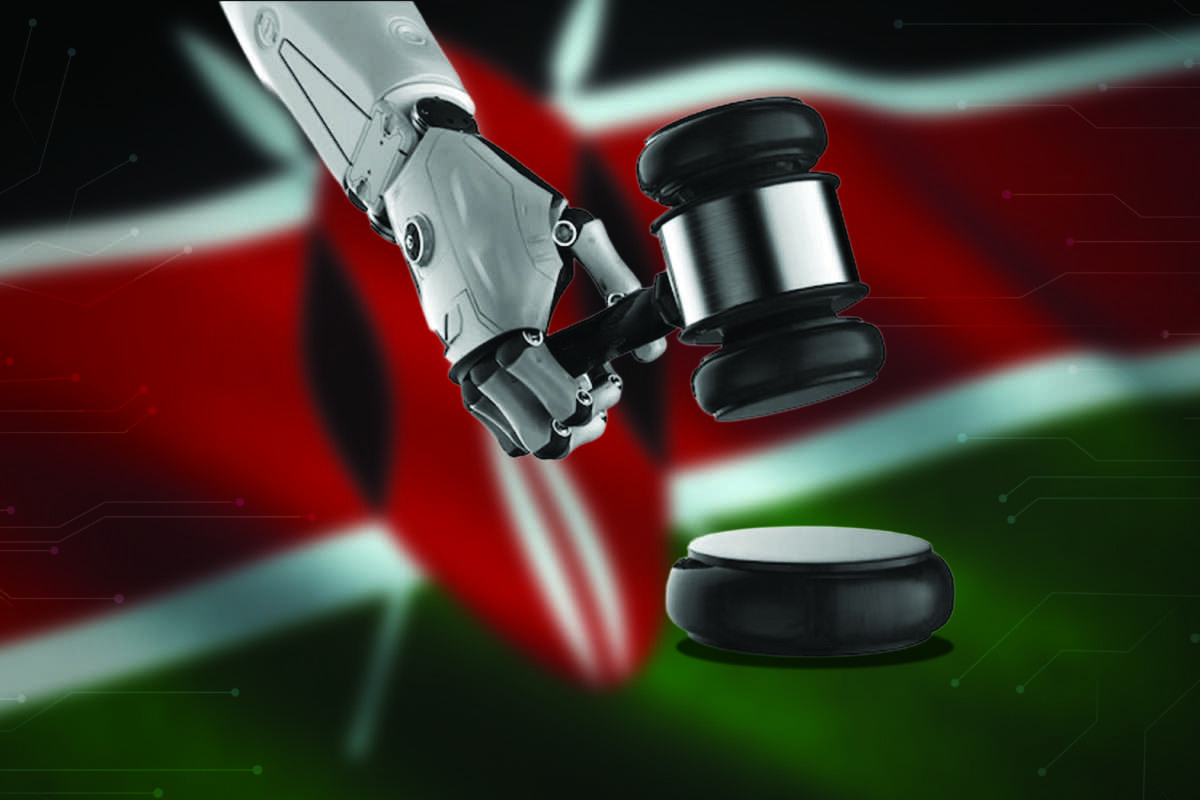
As Kenya looks ahead to the 2027 general elections, the rapid digitisation of the civic space presents both opportunities and risks. A February 2026 multi-stakeholder engagement organised by the National Cohesion and Integration Commission (NCIC), in partnership with the Collaboration on International ICT Policy for East and Southern Africa (CIPESA), reflected on preparedness for the 2027 elections, with a strong emphasis on moving from reactive responses to proactive, coordinated action.

The Nairobi convening brought together electoral bodies, oversight institutions, law enforcement, regulators, and media actors to deliberate on the need to safeguard rights, strengthen coordination, and build trust in an increasingly digital electoral environment.

Across Africa, digital platforms are reshaping how elections unfold. They have opened up participation, especially for young people, but also introduced new challenges. Increased online regulation, network disruptions, hate speech and disinformation are commonplace, while women, particularly those actively involved in politics, face rising levels of technology-facilitated gender-based violence.

This shifting environment highlights a key reality: the same digital tools that enable participation can also erode trust and weaken social cohesion. And what begins online does not stay online. It often carries real consequences offline, and vice versa. Kenya is no exception. The country’s upcoming 2027 elections are high-stakes, closely contested and in an environment fraught with disinformation.

More recently, there has been a heightened crackdown on activism, including through the abduction and intimidation of activists and journalists, politically motivated internet censorship, rising disinformation, cyber threats, data breaches, and a decline in freedom.

CIPESA’s Kenya’s Digital Crossroads brief, published in February 2025, offers a detailed account of the scale of this challenge. In June 2024, Kenya experienced its first nationwide internet shutdown, imposed during the #RejectFinanceBill2024 protests that disrupted mobile payments, health services, and education systems alongside social media.

The Kenya National Commission on Human Rights (KNCHR) documented 50 deaths, 413 injuries, 59 abductions, and 682 arbitrary arrests as of July 2024, with over 82 people subsequently abducted by armed plainclothes officers. The Communications Authority recorded 657.8 million cyber threats in just three months between July and September 2024, while government and media institutions — including KBC, K24 TV, and the DCI’s account on X — faced successful cyberattacks. The Computer Misuse and Cybercrimes Act was deployed to target critics, bloggers, and political activists. And in January 2025, the incoming Cabinet Secretary for ICT publicly pledged readiness to shut down the internet again if national security is threatened. These patterns have direct implications for 2027.

Opening the discussion, Ashnah Kalemera, Programmes Manager at CIPESA, emphasised the importance of balancing electoral integrity and national security with the protection of civic space. She noted that core freedoms such as free speech, access to information, and participation should continue to be prioritised, even as institutions address digital risks. She also highlighted the need for stronger collaboration, responsible content sharing, and inclusive approaches that bring citizens, especially young people, into the conversation.

Commissioner Ken Williams Nyakomitah of the Independent Policing Oversight Authority (IPOA) stressed that the scale and complexity of digital harms require collective action. He noted that institutions must adapt to evolving technological realities and work in complementarity, emphasising that no single actor can effectively address digital threats in isolation. Strengthening coordination, avoiding duplication, and ensuring timely information sharing were highlighted as critical to improving institutional effectiveness.

The NCIC Chief Executive Officer, Dr. Daniel Mutegi Giti, underscored the importance of early and sustained interventions to promote cohesion. He cautioned that elections could amplify existing tensions if not carefully managed, particularly in digital spaces where narratives spread rapidly and shape public perception. He called for vigilance, responsible engagement, and a shared commitment to upholding constitutional values, including inclusivity and respect for human rights.

Bringing in a technological perspective, Daniel Odongo, Technology Lead at Ushahidi, highlighted the speed, coordination, and sophistication with which harmful content spreads online. He pointed out that misinformation often follows predictable patterns across platforms, making early detection, real-time monitoring, and coordinated response critical to preventing escalation. This further underscores the importance of institutions focusing not just on individual incidents but on identifying patterns, trends, and coordinated behaviour over time.

Director Kilian Nyambu of NCIC emphasised the human dimension of digital harms, noting that information shapes perception, and perception shapes action. This is especially significant for vulnerable groups, including women, youth, and persons with disabilities, who are often disproportionately affected by harmful online narratives. Ensuring inclusivity and protection of these groups remains central to building a peaceful digital environment.

The role of the media was also central to the discussion. Leo Mutisya of the Media Council of Kenya (MCK) highlighted both the resilience and challenges within Kenya’s media landscape. While media remains a key pillar in promoting accountability and public awareness, rising disinformation, political pressure, and declining trust continue to shape how citizens consume information, often leading them to turn to less regulated digital spaces.

At the same time, the engagement highlighted the growing challenge of declining public trust in public institutions and information sources. As more citizens turn to digital platforms for news, the line between credible information and manipulation continues to blur, reinforcing the need for strong media literacy and fact-checking ecosystems. Addressing this trust deficit will require transparency, consistency, and sustained public engagement from institutions.

Concerns were also raised about the emerging risks of Artificial Intelligence (AI), such as AI-generated content and deepfakes, which are increasingly difficult to detect and could significantly distort public perception during elections. Stakeholders emphasised the need to proactively address these risks, including advocating for greater transparency and accountability from digital platforms.

Importantly, participants also highlighted that misinformation is no longer random or organic. It is often coordinated, moving rapidly across platforms within minutes, from X to WhatsApp and into community networks, making early detection and response critical. This calls for investment in real-time monitoring systems and stronger partnerships between institutions and technology platforms. It also reinforces the need for institutions to shift from isolated responses to a more connected, system-wide approach that reflects the complexity of the digital ecosystem.

Discussions further underscored the importance of data protection, responsible platform governance, and context-specific solutions. Participants emphasised that Kenya must develop localised frameworks that reflect its unique realities, rather than relying solely on external models. Building effective responses will require grounding solutions in local contexts, strengthening regional collaboration, and investing in homegrown research and knowledge systems.

Key priorities emerging from the engagement included strengthening inter-agency coordination, investing in early warning and response systems, improving strategic communication, safeguarding data and privacy, and ensuring inclusive approaches that protect all groups. There was also a strong call to establish clear inter-institutional protocols for responding to digital threats, ensuring timely, coordinated, and rights-respecting action across agencies. Strengthening collaboration across institutions and aligning mandates will be essential in closing existing gaps. Ultimately, participants agreed that preparedness must begin now. Building resilient systems, strengthening collaboration, and equipping citizens with the tools to navigate digital spaces responsibly will be critical to shaping peaceful, credible elections.

As Kenya prepares for the 2027 general elections, digital platforms will play a decisive role in shaping public discourse and electoral outcomes. The challenge, and opportunity, lies in ensuring these spaces promote trust, inclusion, and informed participation.

The Forum on Internet Freedom in Africa 2026 (FIFAfrica26) – Open For Registration and Session Proposals!

By FIFAfrica |

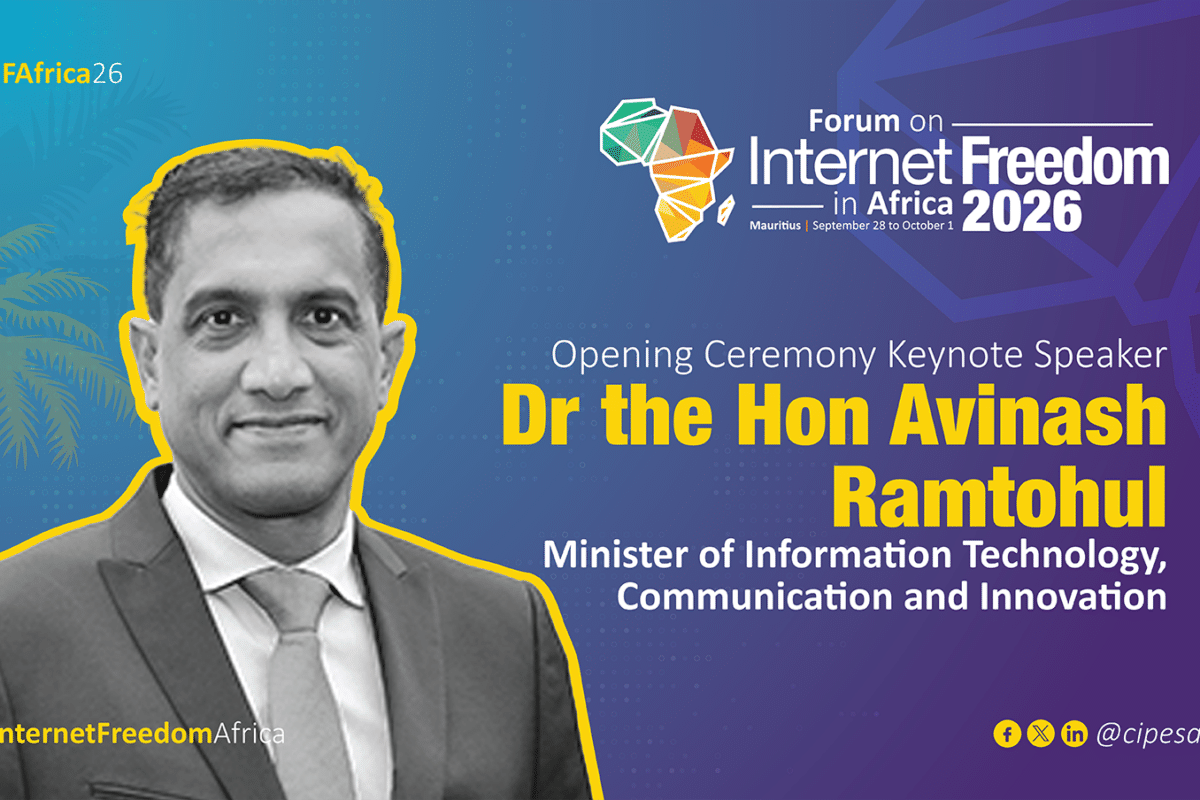
Registration is now open for the 13th edition of the Forum on Internet Freedom in Africa (FIFAfrica26). The Forum will take place in Mauritius from September 28 to October 1, 2026, and will bring together over 500 participants from across Africa and beyond for critical conversations on digital rights, inclusion, and governance.

Be sure to register here!

FIFAfrica26 will offer a platform for deliberation on the most pressing issues shaping Africa’s digital landscape, including digital democracy and civic participation, data governance and sovereignty, artificial intelligence and emerging technologies, platform accountability, digital inclusion, digital economy and trade, movement building, and digital security and safety.

Submit A Session

In the lead-up to FIFAfrica26, we invite interested parties to submit session proposals. Submissions can include panel discussions, lightning talks, exhibitions, and skills workshops. Successful submissions will help to shape the agenda of the event, which is set to gather policymakers, regulators, human rights defenders, journalists, academics, private sector players, global information intermediaries, bloggers, and developers.

The Forum recognises the importance of ensuring diversity in the voices, backgrounds, viewpoints, and thematic areas represented at the conference. To enable this, limited travel support is available to support attendance (travel and/or accommodation) for successful applications.

The call for proposals will close at midnight (Nairobi time) on May 29, 2026.

Join the Community 

Be part of the excitement before, during, and beyond the Forum. We invite you to follow @cipesaug on social media and help amplify the movement by sharing your anticipation, insights, and reflections about the event.

Use #InternetFreedomAfrica and #FIFAfrica26 to join a vibrant community working to shape a more open, inclusive, and secure digital future for the continent.

About FIFAfrica

Since its launch in 2014, the Forum on Internet Freedom in Africa (FIFAfrica) has grown into Africa’s premier multi-stakeholder convening on digital rights, digital democracy, and internet governance. The Forum has consistently shaped continental and global conversations on freedom of expression, access to information, privacy, data governance, and has integrated more recent shifts in the digital ecosystem, including on topics like cryptocurrency, AI, platform accountability, and digital public infrastructure.

Visit the FIFAfrica website for updates: https://internetfreedom.africa/

When Fighting Disinformation Becomes a Threat to Freedom

By Reyhana Masters |

The phrase “misinformation crisis” used to evoke images of shadowy troll farms and bot networks manipulating elections from afar. Today, the crisis is extremely close – in WhatsApp groups, TikTok reels, and “breaking news” alerts that collapse under scrutiny. The more urgent question is no longer whether Africa faces a polluted information ecosystem but how the continent responds to it.

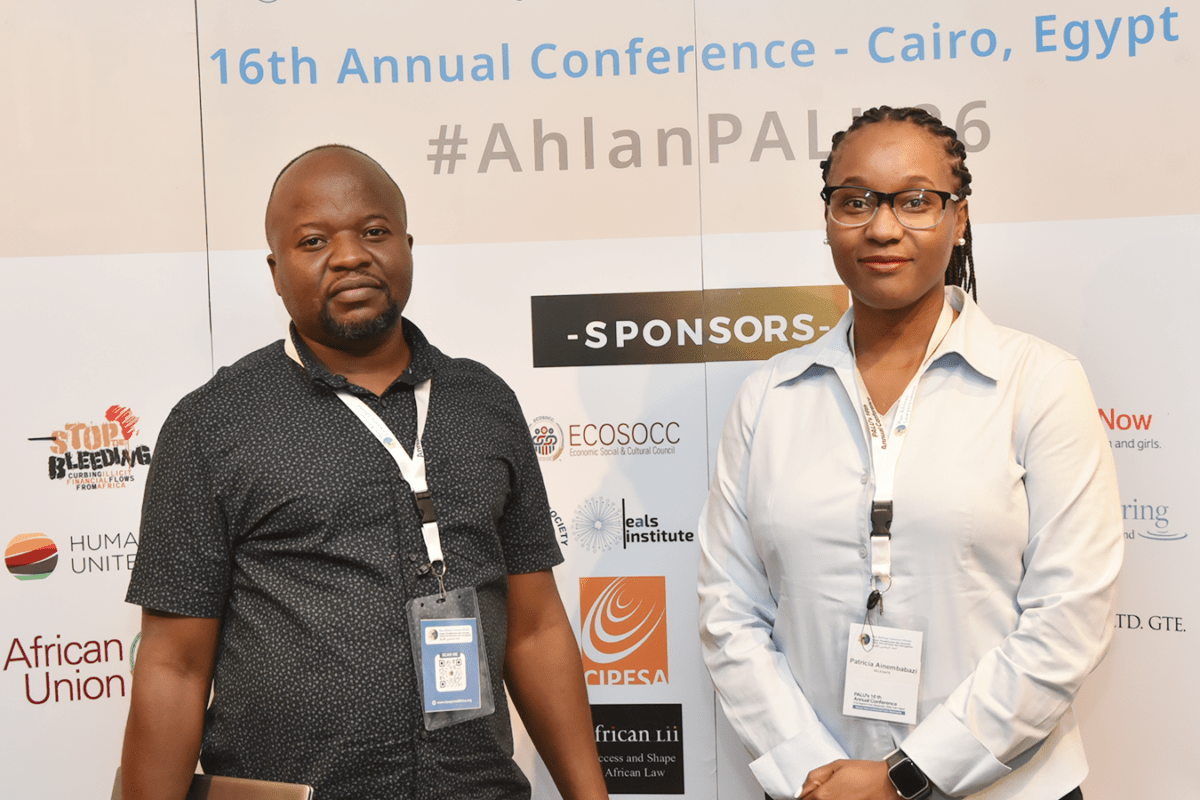
A February 2026 regional engagement convened by the Collaboration on International ICT Policy for East and Southern Africa (CIPESA) gathered members of the judiciary, data protection authorities, communications regulators, law enforcement officers and National Human Rights Institutions (NHRIs) to examine the scale and impact of digital harms.

CIPESA’s Victor Kapiyo set the tone with a reminder that disinformation is not simply about false content; it is about power, intent, amplification, and impact. Discussions focused on responses that separate genuine harm from protected expression.

Disinformation has become sophisticated and professionalised, often backed by political or commercial interests with the resources to manipulate narratives at scale. It moves across borders, shielded by opaque algorithms and corporate structures that complicate national oversight.

Nigeria’s elections illustrate this phenomenon, with political contestation unfolding not only at rallies and ballot boxes, but across encrypted messaging platforms, influencer networks and algorithm-driven feeds.

Fabricated audio recordings, doctored endorsements, and deepfake videos circulated widely. One false claim suggested that President Donald Trump would intervene in Nigeria’s election – a fabrication designed to exploit geopolitical anxieties as well as domestic political and religious tensions.

What makes the Nigerian case instructive is not only the scale of falsehoods, but the architecture behind them. Influencers are reportedly paid significant sums to seed and normalise partisan narratives. Political actors assemble coordinated digital teams to produce, test and amplify content across multiple platforms simultaneously.

“Elections and armed conflicts are key drivers of disinformation. Governments have used both disinformation and the response to it to entrench themselves in power, shrink civic space, and target opponents and critics.” Source: Disinformation Pathways and Effects: Case Studies from Five African Countries.

Even trained journalists, facing financial strain in struggling media markets, are sometimes recruited into propaganda networks that blur the line between professional reporting and political messaging. Moreover, some foreign state actors invest in narrative campaigns to advance their geopolitical interests, viewing African electoral environments as arenas for strategic influence.

A Wider Continental Pattern

Across Africa, disinformation thrives at the intersection of several reinforcing vulnerabilities: intense political competition, widening economic inequality, weak and underfunded media ecosystems, gaps in platform governance, low levels of media literacy and the growing entanglement of foreign geopolitical interests in domestic affairs.

In many contexts, independent newsrooms struggle financially, leaving audiences vulnerable to cheaper, sensationalist content engineered for virality. Regulatory frameworks are often outdated or overly broad, oscillating between under-enforcement and heavy-handed crackdowns that conflate criticism with criminality.

Meanwhile, global technology platforms operate across borders with inconsistent content moderation standards, creating jurisdictional grey zones that undermine accountability.

Beyond Criminalisation

Experience from across the continent suggests that criminalising individual users for “false information” is a blunt and frequently counter-productive response. Without clear legal definitions, disinformation laws can be weaponised against journalists, opposition figures and ordinary citizens exercising legitimate expression.

Indeed, this has been witnessed in countries such as Kenya and Uganda, where laws on “false news” or “computer misuse” have been invoked to arrest and prosecute individuals over what appears to be protected speech.

Effective responses to disinformation require a more layered approach. Clear and precise legal definitions are essential to distinguish between harmful coordinated manipulation and protected speech. Safeguards must be embedded to prevent abuse of disinformation laws for political ends. Platform accountability mechanisms need strengthening, particularly around transparency in political advertising, algorithmic amplification, and coordinated inauthentic behaviour.

Equally critical is sustained investment in media literacy so that citizens are better equipped to interrogate sources and narratives. Independent journalism must be protected and financially supported as a public good. Oversight of coordinated political digital campaigns – including disclosure of funding sources and sponsorship structures – is necessary to illuminate the financial and logistical structures behind viral content.

Following the Money

Focusing on individual users such as those who forward or share content misses the deeper architecture of harm. Without tracing and addressing the networks that design, fund and amplify these campaigns, regulatory responses risk treating symptoms rather than causes.

Participants were urged to draw careful distinctions between misinformation (false information shared without harmful intent), disinformation (deliberate deception), and malinformation (genuine information used to cause harm). Yet these distinctions are often blurred in law. As Kapiyo explained, “when legislation uses vague terms like ‘false news’, ‘annoying’, or ‘offensive’, it creates a net so wide that legitimate criticism can be trapped within it.”

Across several African countries, disinformation laws have been invoked not to dismantle coordinated fraud networks, but to prosecute critics, journalists and opposition voices. This is specifically when governments intervene in digital spaces when their political legitimacy is threatened or when electoral narratives are challenged and when protest movements emerge.

However, the same urgency is not always visible when harmful misinformation spreads socially, when children are exposed to abuse content, or when online fraud syndicates operate at scale.

Several participants observed that enforcement patterns often mirror political anxieties rather than objective harm assessments. “We must ask ourselves,” one judicial officer reflected during the discussions, “are we responding to harm, or are we responding to discomfort?”

Another participant from an NHRI cautioned that credibility is eroded when states appear animated only by speech that threatens authority. “If citizens see that the law moves fastest against critics but slowest against fraudsters and child exploitation networks, trust collapses,” she noted. “And once trust collapses, regulation itself becomes suspect.”

Kapiyo urged the room to think beyond reactionary fixes and toward structural reform: “Digital harms are real but so are constitutional protections. The challenge is not choosing one over the other but instead the solution lies in designing responses that respect both.”

This tension between legitimate regulation and opportunistic control formed a key undercurrent throughout the engagement. Participants repeatedly returned to the same conclusion: a polluted ecosystem cannot be cleaned with contaminated tools. If the response lacks proportionality, clarity and fairness, it risks becoming part of the problem it seeks to solve.

Participants agreed that responses must balance addressing harm with protecting constitutional rights. The test of legality, legitimacy and proportionality remains essential: if a restriction fails one, it fails entirely.

From Discussion to Duty

As the engagement drew toward its close, the conversation shifted from diagnosis to responsibility. Who, precisely, must act and how?

For legislators, the recommendation was unequivocal: draft narrowly tailored laws grounded in clear definitions. Avoid vague formulations such as “false news” that collapse complex categories into blunt offences. Embed explicit safeguards against abuse, including independent oversight and sunset clauses that require periodic review.

For the judiciary, the charge was equally clear: rigorously interrogate executive claims of harm. Apply constitutional proportionality tests consistently. Insist on evidence of coordinated manipulation rather than speculative assertions of public disorder. Judicial independence, several participants noted, is the difference between regulation and repression.

Communications regulators and data protection authorities were urged to strengthen transparency requirements for political advertising and algorithmic amplification. “If money is shaping narratives,” one regulator observed, “then disclosure must follow the money.” Cross-border cooperation will be essential, particularly where coordinated campaigns operate across jurisdictions.

Law enforcement agencies were encouraged to prioritise organised fraud networks, child exploitation rings and coordinated digital criminal enterprises – areas where harm is demonstrable and urgent – rather than focusing disproportionate energy on individual expression. Capacity-building in digital forensics and evidence preservation was identified as critical.

And for civil society and media institutions, the focus is on resilience: invest in investigative capacity to expose coordinated campaigns, strengthen fact-checking networks, and expand media literacy initiatives so that citizens can interrogate viral narratives without defaulting to cynicism.

Assessing the Impact of the 2026 Internet Shutdown on Uganda’s Digital Economy

By Nadhifah Muhammad |

On January 13, 2026, two days prior to Uganda’s general election, the Uganda Communications Commission (UCC) ordered an internet shutdown purportedly to mitigate misinformation, electoral fraud and incitement of violence. This mirrored the two previous elections in the country, each of which had economic consequences due to the disruption of digital communications and services.

In the latest disruption, some essential services were exempted, such as healthcare systems, core banking platforms, immigration and aviation systems. However, key sectors of Uganda’s digital economy, íncluding ride-hailing and delivery systems, fintech services, e-Commerce, and digital health providers, were inaccessible. Data from the Cost of Internet Shutdown Tool (COST) estimates that Uganda lost Uganda Shillings (UGX) 59.7 billion (USD 16 million) during the almost five day internet shutdown. More was lost when social media and mobile money services remained constrained beyond the five days.

Notably, the severe direct economic losses and indirect impacts are likely to persist beyond the duration of the shutdown. During the shutdown, businesses dependent on digital platforms were unable to process transactions, communicate with customers, or coordinate logistics. Beyond the immediate financial losses suffered over the days the internet was off, the disruption unsettled supply chains, interrupted livelihoods, and raised concerns among investors about the reliability of Uganda’s digital infrastructure.

This brief examines the direct and indirect financial losses of the shutdown and highlights measures to various stakeholders need to safeguard a reliable digital economy as a key driver of Uganda’s digital transformation, these include;

  • Development and roll out comprehensive business continuity plans for the digital economy during elections and emergency situations.
  • Adoption of digital safety and security practices for detecting and mitigating risks and optimising systems to support business continuity amidst such disruptions. 
  • Advocacy for an enabling legal and policy environment for the digital economy.
  • Undertaking continuous capacity building for businesses in digital resilience.
  • Collaboration among stakeholders – business associations, civil society, academia and the legal fraternity in challenging shutdowns through strategic litigation.

Access the full brief here.

CIPESA Public Dialogue Series: Interrogating Digital Public Infrastructure in East Africa

By CIPESA Writer |

Digital transformation is reshaping governance, service delivery, and civic life across Africa. At the centre of this transformation is the growing adoption of Digital Public Infrastructure (DPI) — foundational interoperable digital systems such as digital identity programmes, payment systems, and data exchange frameworks that enable governments to deliver services at scale.

Across Eastern Africa, governments are increasingly investing in DPI as a core pillar of their digital transformation strategies. These systems promise to improve administrative efficiency, expand access to services, and support more inclusive digital economies.

However, DPI is not merely a technical infrastructure. It is also an institutional and political infrastructure. The way these systems are designed, governed, and implemented can shape power relations, accountability structures, privacy protections, and citizen participation in the digital state.

Despite the growing importance of DPI, public debate around these systems remains limited. A study by the Collaboration on International ICT Policy for East and Southern Africa (CIPESA) into media coverage of DPI in Eastern Africa shows that reporting is largely government-centric and event-driven, focusing primarily on announcements and service delivery benefits while giving limited attention to governance arrangements, procurement processes, rights protections, and questions of inclusion.

Strengthening informed public discourse around DPI is therefore critical. Greater participation by civil society, journalists, policymakers, technologists, and citizens can help ensure that emerging digital systems are transparent, accountable, inclusive, and aligned with the public interest.

To contribute to this goal, CIPESA is convening a series of public dialogues on DPI in Eastern Africa. Through four in-depth discussions, the CIPESA public dialogue series will explore key dimensions of DPI implementation such as governance and accountability, data protection and trust, inclusion and equity, and cross-regional learning, while bringing together diverse stakeholders to deepen public understanding and encourage more critical engagement with the region’s digital transformation.

The details of the CIPESA Public Dialogue dare listed below. Be sure to mark your calendar for each dialogue!

Follow @cipesaug on social media and join the conversation using #DPIAfrica and #DPIJournalism.

Dialogue 1: Interrogating DPI: Governance, Power, and Accountability

Background: As governments across Eastern Africa accelerate the rollout of Digital Public Infrastructure systems, questions of governance, oversight, and accountability are becoming increasingly important.

While DPI initiatives are often presented as tools for efficiency and innovation, they also shape power relations within the digital state. Decisions about who designs these systems, who controls the data they generate, and how procurement and partnerships are structured can significantly influence how public digital systems operate and whom they ultimately serve.

Yet public scrutiny of these governance questions remains limited. Media coverage frequently focuses on the technical benefits of DPI, such as improved service delivery, while giving less attention to governance arrangements, procurement transparency, and mechanisms for accountability when systems fail.

This dialogue will examine the political economy of DPI, focusing on questions of governance, oversight, transparency, and accountability as the region expands its digital infrastructure.

Date: March 24, 2026 | 15:00 PM Nairobi | Reserve your seat

Dialogue 2: Interrogating DPI: Data, Privacy, and Trust

Background: Digital Public Infrastructure systems depend heavily on the collection, processing, and exchange of large volumes of personal data. While these systems can improve efficiency and coordination across government services, they also raise significant questions about privacy, surveillance, and data protection.

Public discourse around DPI in Eastern Africa has largely focused on service delivery benefits, with relatively limited attention to the risks associated with data governance and citizen trust.

CIPESA’s media analysis similarly shows that journalists tend to under-report issues of data protection, surveillance, and the enforcement of privacy laws, despite growing public concerns about the misuse of personal data and weak institutional safeguards.

This dialogue will examine whether DPI systems in Eastern Africa are being designed and implemented in ways that protect rights and build public trust.

Date: March 31, 2026 | 15:00 PM Nairobi | Reserve your seat

Dialogue 3: Interrogating DPI: Inclusion, Equity, and Gender

Background: Digital Public Infrastructure is often framed as inclusive by design. However, evidence from across Eastern Africa suggests that issues of equity, access, and representation remain underexplored in both policy debates and media coverage.

Media analysis conducted by CIPESA reveals limited reporting on how DPI systems affect citizens differently based on gender, geography, income, and digital access. It also highlights a significant gender imbalance in media sources, with roughly 80 percent of quoted sources being male.

Yet digital systems can inadvertently reinforce existing inequalities if barriers related to connectivity, digital literacy, affordability, identification documents, or social norms are not addressed.

This dialogue will explore whether DPI initiatives are truly delivering on their promise of inclusion, and who may be left behind by digital transformation.

Date: April 7, 2026 | 15:00 PM Nairobi | Reserve your seat

Dialogue 4: Interrogating DPI: Cross-Regional Learning Session

Africa is undergoing a profound digital transformation. The African Union Digital Transformation Strategy (2020–2030) encourages member states to develop Digital Public Infrastructure and Digital Public Goods as foundations for inclusive service delivery, digital trade, and economic growth.

However, public participation in shaping these developments remains limited, partly due to insufficient public discourse and limited specialised reporting on DPI and DPGs.

To address this gap, Co-Develop partnered with regional organisations, including the Media Foundation for West Africa (MFWA) and CIPESA, to establish journalism fellowships focused on DPI reporting in West and Eastern Africa.

MFWA launched the first fellowship in West Africa in 2023, generating valuable lessons and case studies. CIPESA has since adapted the fellowship model for Eastern Africa, creating opportunities for cross-regional learning among journalists and ecosystem actors.

This session will bring fellows and stakeholders from both regions together to share lessons, experiences, and strategies for strengthening public discourse on DPI and DPGs.

Date: April 17, 2026 | 15:00 PM Nairobi | Reserve your seat