Counting the Benefits of Fact-Checking Training for Ethiopian Journalists

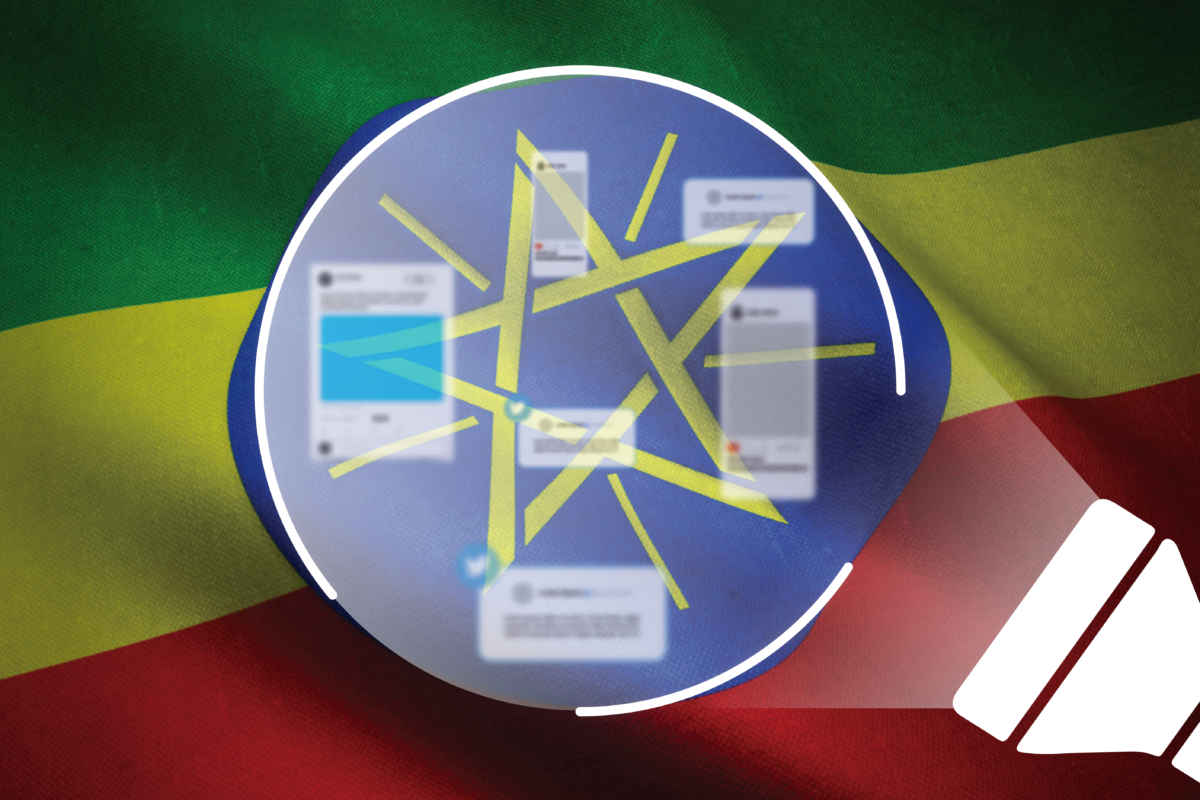
Journalists play a crucial role in informing citizens and shaping public opinion in Ethiopia. However, in recent years, the proliferation of disinformation and hate speech has become a significant challenge. The surge in disinformation is undermining social cohesion, promoting conflict, and leading to growing threats against journalists and human rights defenders.

Accordingly, it is crucial to conduct fact-checking training  for Ethiopian journalists so as to safeguard the integrity and reliability of journalism in the country. A number of Ethiopian journalists have undergone training in understanding disinformation and hate speech. However, most of them lack practical skills in conducting fact-checking. It is against this background that, in May 2024, CIPESA organised a fact-checking and ethical reporting workshop for 20 Ethiopian journalists in the capital Addis Ababa.

Two months later, journalists and media development actors point to the benefits of that training. 

“The fact-checking and verification training was crucial for Ethiopian journalists and content producers, as it provided them with valuable tools to combat daily misinformation and produce reliable news stories,” notes Kirubel Tesfaye, one of the experts that conducted the training. “The training equipped them with the most essential and current tools in the industry, allowing them to produce credible and trustworthy news and reports.” 

By equipping journalists with fact-checking skills, they can serve as gatekeepers of truth, helping to counter disinformation and to ensure that accurate information reaches the public. Ethiopia has experienced an explosion in disinformation over the last five years, with the armed conflicts which have plagued the country being key drivers of disinformation. 

Selam Mulugeta, a journalism lecturer at Addis Ababa University who participated in the training, enumerates the benefits of the fact-checking training. “One of the most important things was to learn how to recognise dis/misinformation on different websites and social media sites, and to learn [about] fact-checking tools to debunk disinformation,” she says. She adds that after gaining fact-checking knowledge, journalists will contribute to minimising the amount of false information in the public domain. This will in turn lessen the harms of disinformation.

According to Konjit Zewdie of NBC TV, there is a need for more practical training workshops focussed on fact-checking as there is a dire shortage of fact-checking skills among journalists amidst the deluge of illegal and harmful content, including hate speech. She says the training was crucial in capacitating journalists to identify sources of disinformation and to use various fact-checking tools. 

Konjit notes that Ethiopian journalists are often unable to get reliable information from concerned bodies, which presents a challenge for fact-checking. The training gave the journalists alternative ways of verifying information even when they face blockages in accessing information from official sources.

“The training added great value to the journalists because it covered several topics with practical exercises, from the basics of fact-checking to advanced fact-checking techniques. The participants gained insights into the motivations behind the sharing of disinformation, the actors responsible, and the tactics employed by them. Furthermore, the training highlighted prevalent disinformation trends in Ethiopia and provided participants with online tools and techniques to effectively combat disinformation.” – Kirubel Tesfaye, fact-checking trainer

The May 2024 training built on an earlier one CIPESA conducted in November 2023 that equipped 21 Ethiopian journalists, bloggers, and activists with knowledge to navigate the country’s law on hate speech and disinformation and skills to call out and fight disinformation and hate speech.

Mulugeta says that by honing their fact-checking skills, journalists are better positioned to deliver factual information and live up to their duty as mouthpieces of the masses. Moreover, journalists and content creators would become more responsible and accountable for the content they create, and play a role in developing media literacy among the general population.

Tiblets Tesfaye, a senior journalist with Wazema Media, said the training “offered significant value by equipping journalists and content creators with essential skills to identify and correct misinformation, fostering a culture of accuracy and ethical reporting”.

According to her, the training also enhanced the journalists’ ability to recognise and mitigate hate speech, thereby contributing to more reliable and responsible media practices that support social cohesion and peacebuilding in the country. Tesfaye adds: “The benefits are huge because most social media influencers are based in Addis Ababa, but it would be good to extend this training to regional cities as well.”

See more about the training focus here. 
CIPESA Partners with AfricTivistes for the Forum on Internet Freedom in Africa 2024 (FIFAfrica24)

Announcement |

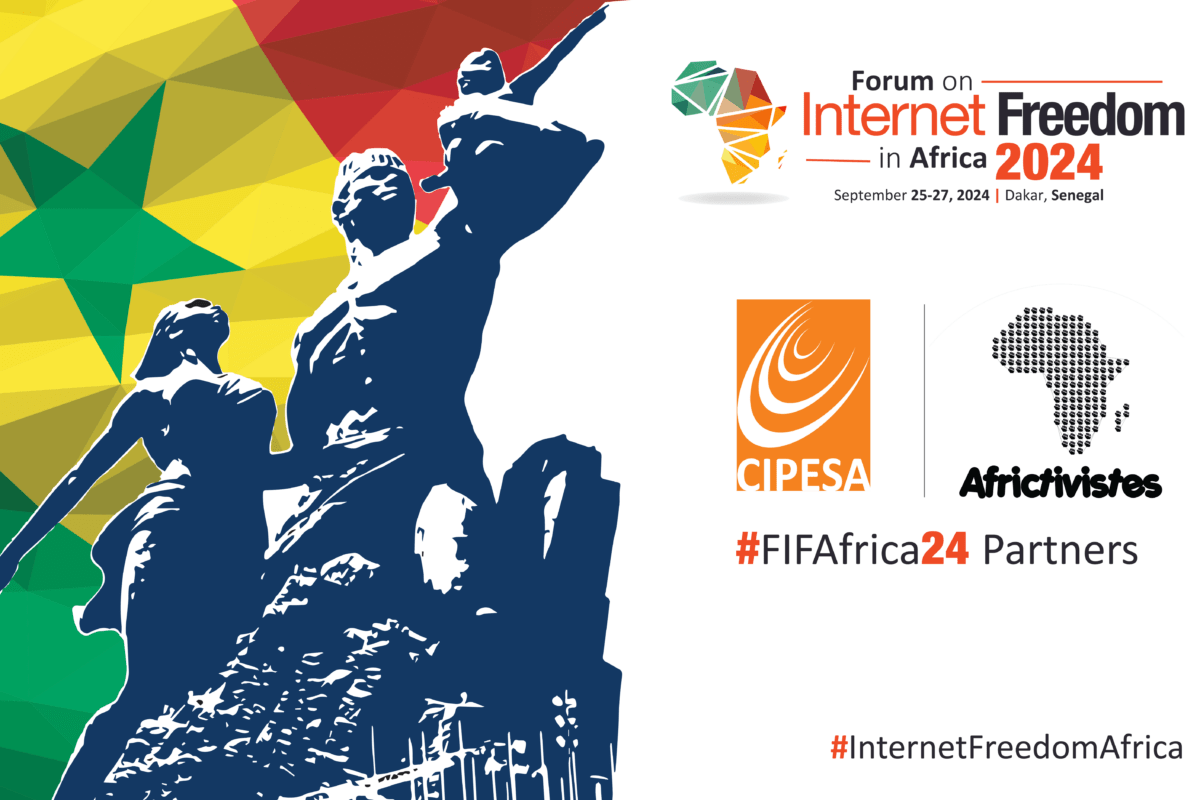
The Collaboration on International ICT Policy for East and Southern Africa (CIPESA) is pleased to announce a partnership with the Dakar-based AfricTivistes for the upcoming Forum on Internet Freedom in Africa 2024 (FIFAfrica24) set to take place on September 25-27, 2024 in Senegal. This partnership marks a significant milestone in ongoing efforts to advance digital democracy by both entities.

Established in 2015, AfricTivistes – the African League of Cyber-Activists and Bloggers for Democracy is a pan-African organisation that promotes and defends democracy, good governance and human rights through digital means. Across its programs, AfricTivistes works to foster digital transformation and enhanced citizenship in Africa led by change actors.

Indeed, AfricTivistes’ mission resonates with the goals of CIPESA and, ultimately, FIFAfrica, thus marking the foundation for an inclusive, informative, and responsive conference. Through its extensive network of actors, AfricTvistes brings to the Forum regional expertise and an in-depth understanding of advocacy and engagement for civic, social and political transformation.

“This partnership with CIPESA to organise a successful FIFAfrica is essential, as it will enable highlighting the state of participatory democracy in this region of Africa where it faces numerous challenges, and ultimately advance digital democracy by all stakeholders.”, noted Cheikh Fall, President of AfricTivistes.

The CIPESA-AfricTivistes partnership follows in FIFAfrica’s track record of galvanising multi-stakeholder efforts for shared strategies for advancing rights, participation and innovation online. Co-hosts of previous editions have included the Tanzania Ministry of Information, Communication and Information Technology (2023), the Zambia Ministry of Technology and Science (2022), Ministry of Foreign Affairs of Slovenia, Presidency of the Council of European Union (EU) 2021 (2021) and Paradigm Initiative (2020). The 2019, 2018 and 2017 editions of FIFAfrica were co-hosted with the Ethiopia Ministry of Innovation and Technology (MINT), Media Foundation for West Africa (MFWA) and the Association for Progressive Communications (APC), respectively.

This year, FIFAfrica24 – the first edition to be hosted in Francophone Africa – will serve as a key channel that feeds into the way ahead for digital rights in Africa and the role that different stakeholders need to play to realise the Digital Transformation Strategy for Africa and Declaration 15 of the 2030 Agenda for Sustainable Development. The Declaration notes that the spread of information and communications technology and global interconnectedness has great potential to accelerate human progress, to bridge the digital divide and to develop knowledge societies.

FIFAfrica24 objectives:

  1. Enhance Networking and Collaboration:  the Forum provides a platform that assembles African thought leaders and networks working on internet freedom from diverse stakeholder groups.
  2. Promote Access To Information: Since inception, FIFAfrica has commemorated September 28, the International Day for Universal Access to Information (IDUAI), creating awareness about access to information offline and online and its connection to wider freedoms and democratic participation.
  3. Practical Skills and Knowledge Development: The Forum features pre-event practical training workshops for various stakeholders on a range of internet freedom issues, including technical aspects of internet access, policy developments, digital resilience, and advocacy strategies.
  4. Showcase Advocacy Efforts: FIFAfrica provides a space for entities advancing digital rights to showcase their work through artistic installations, photography, reports, interactive platforms and physical stalls with organisational representatives.
  5. Connect Research to Policy Discussions: The annualState of Internet Freedom in Africa report, a themed report produced by CIPESA, has been launched at FIFAfrica since 2014. The report has served to inform policy and advocacy efforts around the continent.
  6. Strategic Networks: FIFAfrica has served as a platform for strategic meetings to be held, offering various African and global networks the opportunity to directly engage with each other and with the extended digital rights community.

We encourage all stakeholders, including policymakers, civil society organisations, technology experts, academics, and members of the media, to join us in Dakar, Senegal, for FIFAfrica24 in person or remotely. Registration is required and can be completed here.

For more information and updates, please visit www.internetfreedom.africa and stay tuned for announcements regarding the event including agenda and speaker line-ups.

Together with AfricTivistes, we are committed to fostering an environment where digital rights are upheld, and internet freedom is a reality for all Africans.

For further information contact [email protected].

CIPESA Joins Call Against Internet Shutdowns In Kenya During #RejectTheFinanceBill2024 Picketing

Statement |

The Collaboration on International ICT Policy for East and Southern Africa (CIPESA) has joined the Kenya ICT Action Network (LICTANET), Paradigm Initiative, and Internet Society Kenya Chapter in a call against internet shutdowns in Kenya during the ongoing #RejectTheFinanceBill2024 picketing.

The call states. “We strongly urge the Kenyan government to refrain from enforcing any Internet shutdowns or information controls in response to the ongoing protests against the Finance Bill 2024 through the hashtag #RejectFinanceBill2024. Such measures would infringe on the fundamental rights and freedoms of Kenyans as well as negatively impact Kenya’s economy, democracy, and reputation in the eyes of the international community.”

Kenya’s constitution and international human rights legislation safeguard the fundamental rights to freedom of expression, access to information, and picketing, which would be violated by internet shutdowns, censorship, and other information controls. By preventing citizens from engaging in public conversation and holding the government accountable, internet disruptions subvert democratic processes.

A blackout of the internet in Kenya will have disastrous economic effects for example:

  1. Kenya’s thriving e-commerce business would be severely disrupted. Kenya’s e-commerce market is predicted to reach US$801.4 million (Ksh 103 billion) by the end of 2024. The Internet Society’s Pulse NetLoss calculator estimates that a total Internet outage may cost Kenya’s economy Ksh 810 million (US$6.3m) in lost Gross Domestic Product (GDP) every day.
  2. Millions of Kenyans who depend on these services for daily transactions including banks, would be impacted by the paralysis of the mobile money industry, which includes M-Pesa, which handles over Ksh 6 billion transactions annually valued at over Ksh 6.4 trillion (US$50 billion).
  3. There would be major setbacks for Kenya’s digital startup sector, which attracted Ksh 141.3 billion (US$1.1 billion) in funding in 2022 and would cause investor confidence to decline.
  4. However short-lived, Internet disruptions affect many facets of the national economy and their effect persists far beyond the days on which access is disrupted. They carry reputational risk, hurt investor confidence, disrupt supply chains, and can discourage foreign direct investments (FDI).
  5. The tourism sector, which makes up a sizeable portion of Kenya’s GDP, would suffer because travelers rely mostly on internet connectivity to make reservations and obtain information.
  6. Furthermore, Internet shutdowns would hinder emergency services and access to vital information during crises. They would also damage Kenya’s reputation as a hub for technology and innovation in East Africa, as well as Africa’s Silicon Savannah.

The #FinanceBill2024 has already encountered strong opposition, and in particular, using digital activism. This has prompted the Kenya government to withdraw several contentious clauses. This illustrates the value of having open lines of communication between the public and the government and the influence that public discourse may have.

We urge the government to respect democratic values, have an honest conversation with demonstrators, and answer their concerns transparently.

A peaceful resolution of the current crisis and the maintenance of Kenya’s democratic and economic development depend on keeping lines of communication open and protecting and prioritizing Internet access.

For any clarification and media briefing, contact [email protected]

CIPESA Joins Civil Society Alliances for Digital Empowerment (CADE) Project

Statement |

The Collaboration on International ICT for East and Southern Africa (CIPESA) is pleased to be among eight partners that comprise the newly established Civil Society Alliances for Digital Empowerment (CADE) project.

The CADE project, an ambitious initiative designed to empower civil society organisations (CSOs) to participate more actively in digital policy processes, was officially launched on May 31, 2024 in Geneva, Switzerland at an event attended by Ambassador Lotte Knudsen, Permanent Representative of the European Union to the UN in Geneva, Prof. Jovan Kurbalija, Executive Director of DiploFoundation, and project partners.

Co-funded by the European Union, the CADE project aims to enhance the active participation of CSOs in global governance and development initiatives. This initiative is crucial in fostering inclusive and participatory democratic processes worldwide.

In her address, Ambassador Knudsen emphasised the EU’s steadfast commitment to the vital role of CSOs in development. The EU’s Multiannual Indicative Programme (MIP) for the thematic programme Civil Society Organisations and Local Authorities from 2021 to 2027 highlights the importance of achieving high quality development outcomes through inclusive, democratic engagement.

“It appeals to one of our top priorities: to support and develop civil societies, which is particularly significant in the realm of global internet governance. This is about digital empowerment, and we need civil society’s active involvement. Our approach has always been strongly multistakeholder,” said Ambassador Knudsen.

Prof. Kurbalija further elaborated on the project’s goal to leverage technology for development, underscoring the CADE project’s innovative approach to enhancing CSO capacities. He noted, “This project aims to bring meaningful and substantive inclusion of civil society. Although many forums, such as ICANN, the WSIS Forum, and the IGF Forum, have open doors for participation, the challenge remains in equipping CSOs with the capacity to effectively engage and impact discussions.”

Dr Stephanie Borg Psaila, CADE’s project coordinator from DiploFoundation, introduced the eight partner organisations, which include the European Center for Non-for-profit Law (ECNL), Netherlands; Forus, France; CIPESA, Uganda; Kenya ICT Action Network (KICTANet), Kenya; Sarvodaya Fusion, Sri Lanka; Social Media Exchange (SMEX), Lebanon; Pacific Islands Chapter of the Internet Society (PICISOC), Fiji; and Fundación Karisma, Colombia.

The launch event was followed by a technical session held during the WSIS+20 Forum High-Level Event (27–31 May 2024 in Geneva). This session showcased the CADE project’s initiatives and concluded with a call to action for individual and institutional efforts to promote genuine inclusivity and participation in digital governance.

The CADE project is founded on the principle of strengthening the fabric of civil society. Its objectives are clear and resonant with the needs facing contemporary society as follows:

  • Enhancing CSO contributions: The project reinforces the role of CSOs as pivotal actors in local governance and accountability, as promoters of inclusive and sustainable growth, as providers of social aid and welfare, and as contributors to digital policymaking in the global process.
  • Reinforcing networks: A key goal is to bolster regional and global networks of CSOs and associations of local authorities, enhancing their capacity for cooperation, mutual support, and active participation in multistakeholder digital governance.
  • Education and awareness: The project initiates and backs efforts towards education and awareness-raising, ensuring populations are well-informed and supportive of development efforts. This underscores the importance of an educated civil society in progressing towards sustainable development, particularly in the context of digital advancements.

Ashnah Kalemera, Programme Manager at CIPESA noted that through the CADE Project, “CIPESA will continue playing its current catalytic role in supporting actors across Africa to become active defenders and promoters of the multistakeholder model of internet governance.”

Job Opportunity: Project Assistant

Call for Applications |

The Collaboration on International ICT Policy for East and Southern Africa (CIPESA) is seeking a Project Assistant to support implementation of activities under the USAID/Uganda Civil Society Strengthening Activity (CSSA).

Job Title: Project Assistant

Location: Kampala, Uganda

Duration: Two (2) years Full time with a possibility of renewal

Reports to: Project Officer

Job Summary:

The Project Assistant will support in the planning, execution, monitoring and reporting of the Civil Society Strengthening Activity at CIPESA. Duties include assisting in research, capacity building/training, outreach and advocacy. The position is based at CIPESA’s offices in Kampala, Uganda, with frequent travel within the country.

About CIPESA

Established in 2004, the Collaboration on International ICT Policy in East and Southern Africa (CIPESA) is a leading centre for research and analysis of information aimed to enable policy makers in the region to understand ICT policy issues, and for various multi-stakeholders to effectively use ICT to improve governance and livelihoods. CIPESA works to defend and expand the digital civic space to enable the protection and promotion of human rights and to enhance innovation and sustainable development. We  focus on disparate actors including government, the private sector, civil society, media, policy makers and multinational institutions.

The Project

The Uganda Civil Society Strengthening Activity (CSSA) is a five-year  USAID-funded Activity (now in the Fourth year of implementation) that is implemented by East-West Management Institute (EWMI) in partnership with the International Center for Not-for-Profit Law (ICNL). Under the project, CIPESA works to contribute to Component 3, whose goal is to promote a more supporting enabling environment that sustains a vibrant civil society in Uganda; increased in-country resources and capacity of CSOs to navigate government requirements and restrictions; and Ugandan-led initiatives to improve the CSO enabling environment. Activities include providing legal technical assistance, assisting CSOs to navigate and adapt to the restrictive environment and enhancing multi-sectoral CSO collaboration to promote and defend the enabling environment.

Duties and Responsibilities:

  • Assist in organising trainings in media and information literacy, digital safety, digital rights.
  • Organise stakeholder engagements at national and regional levels.
  • Produce information, education and communication materials for awareness raising and advocacy on the project including through blogs, briefs, commentaries and impact stories.
  • Support research undertakings including data collection and analysis.
  • Conduct field visits and follow up meetings with project beneficiaries.
  • Liaise with CSSA partners on activity progress, deliverables and opportunities for collaboration.
  • Assist with strategic planning, reporting as well as monitoring and evaluation.
  • Perform any additional admin and project related activities as assigned that will enhance CIPESA’s work.

Qualifications and Skills:

  • A bachelor’s degree in law, project planning and management, social sciences, communication, social work and social administration, or related disciplines.
  • Two or more years of experience in programming with a reputable institution, preferably in civil society.
  • Understanding of the digital civic space in Uganda.
  • Excellent verbal, written, and presentation skills.
  • Knowledge of project management principles, practices, techniques and procedures including planning and project implementation.
  • High level of motivation, integrity, and commitment to teamwork.
  • Strong work ethic with an unwavering commitment to quality and professionalism.
  • Proficiency in the use of Microsoft Office Suite and all applications including Excel and PowerPoint.
  • Great team player with capacity to establish and maintain effective working relationships with staff, partners and the public.

How to Apply:

Applications including a cover letter outlining how you fit the job requirements and your areas of expertise; a CV; two writing samples (or alternative samples of your work); salary expectations, names and contacts of two referees should be submitted to [email protected].

The deadline for submissions is June 14, 2024, at 18.00 East African Time.