By Lillian Nalwoga and Patricia Ainembabazi
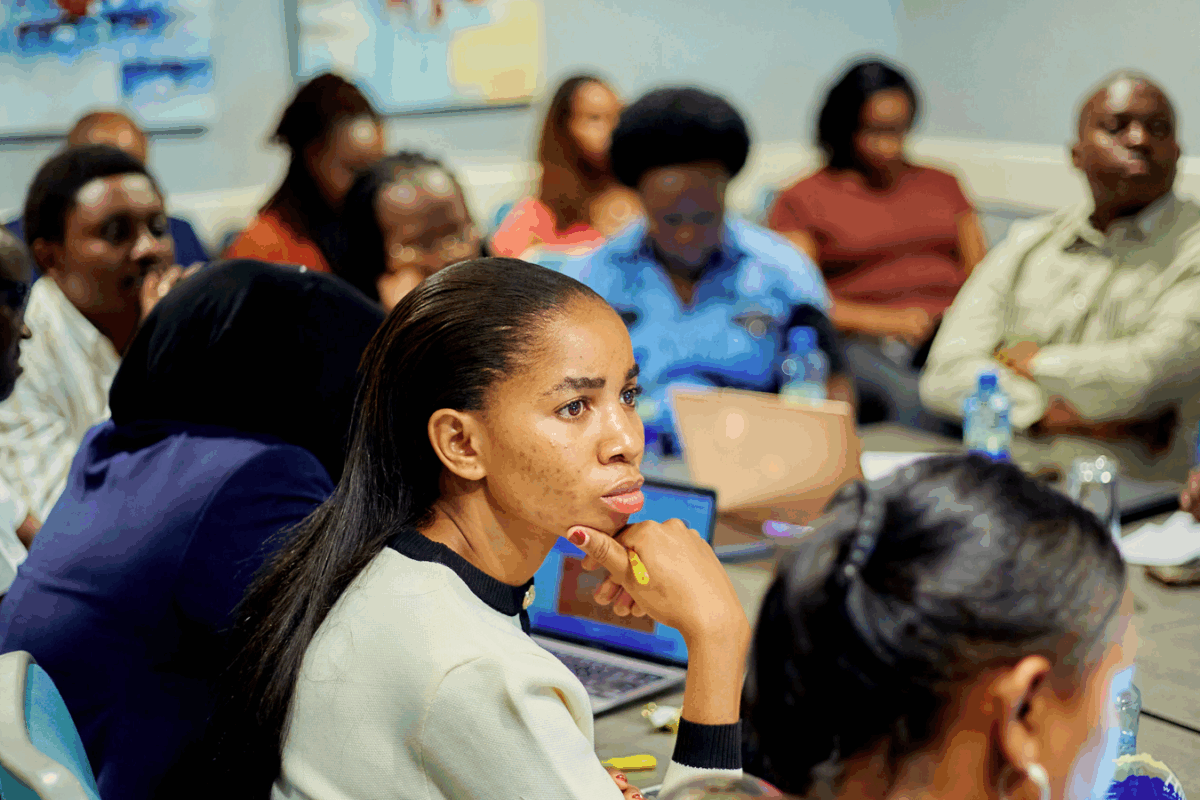
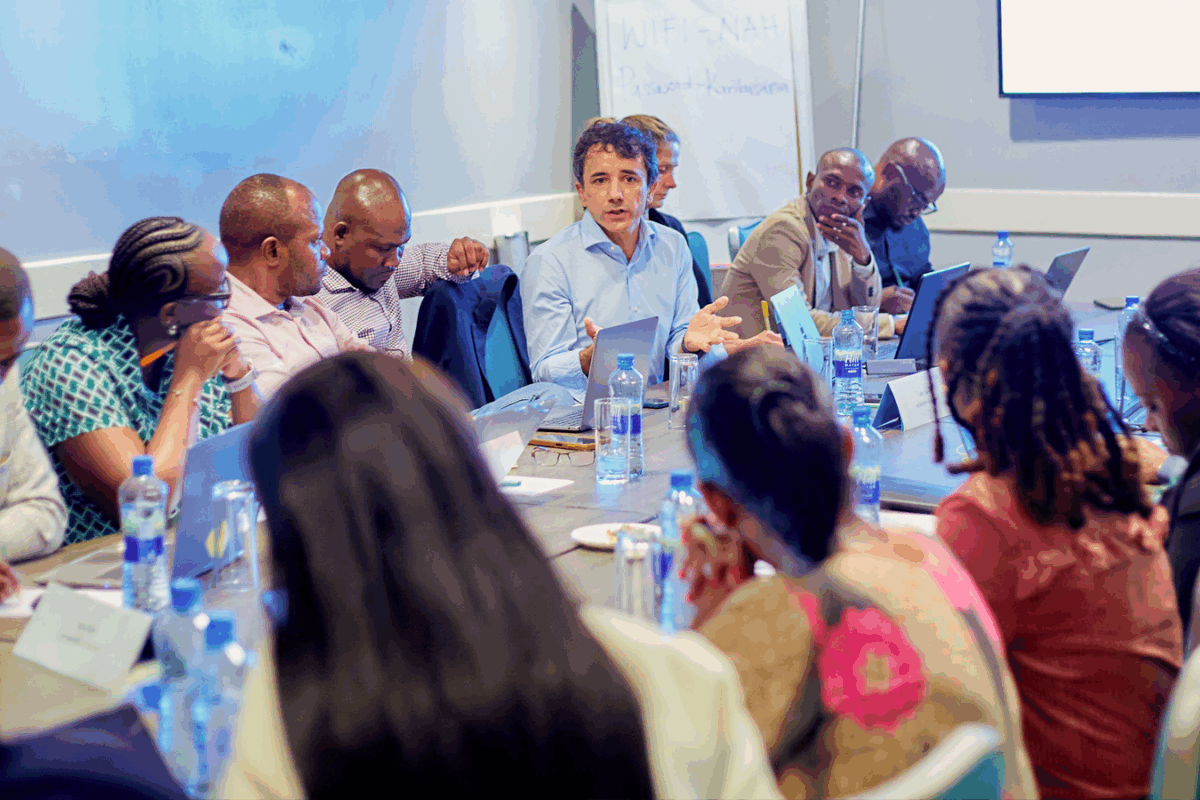
As the twenty-year review of the World Summit on the Information Society (WSIS+20) approaches, the need for inclusive, well-coordinated, and well-informed African participation has become more urgent than ever. In response, the Collaboration on International ICT Policy for East and Southern Africa (CIPESA), with support from the Civil Society Alliances for Digital Empowerment (CADE) project the Global Network Initiative (GNI), and Global Partners Digital (GPD), convened a regional stakeholder workshop on May 28, 2025, in Dar es Salaam, Tanzania. Held as a pre-event to the 2025 Africa Internet Governance Forum (AfIGF), the workshop gathered 37 participants for a multi-stakeholder dialogue on WSIS progress, the future of the Internet Governance Forum (IGF), and funding equity in global internet governance processes.
Revisiting WSIS and Its Evolving Landscape
The meeting commenced with an overview of WSIS’s significance in shaping global internet policy since its inception in 2003, highlighting the journey from the Geneva and Tunis phases to the current +20 review (WSIS+20). Participants underscored how WSIS frameworks continue to underpin digital policy efforts, especially in developing regions.
Special attention was given to how the WSIS+20 review intersects with emerging frameworks such as the Global Digital Compact (GDC). Discussions emphasized the importance of strengthening Africa’s position in both processes and cautioned against duplicative or conflicting multilateral efforts. Participants called for a harmonised approach that prioritizes human rights and inclusive development.
Regional Dynamics and Country-Level Perspectives
A key component of the meeting focused on lessons learned from country and regional engagement with WSIS+20. Common challenges identified included low public awareness of the process, inadequate coordination mechanisms at the national level, and limited participation in global negotiations. Participants stressed the need to designate clear national focal points and to disseminate accessible information on WSIS milestones and upcoming consultations. They also urged the African Union Commission (AUC) and sub-regional bodies like the United Nations Economic Commission for Africa (UNECA) to consolidate African positions, reflecting shared concerns around digital access, online rights, and capacity-building for local actors.
Funding Inequities and Digital Diplomacy Imbalances
A prominent theme was the uneven distribution of financial and institutional support across regions and thematic areas. Delegates observed that limited participation in global forums such as the IGF, WSIS, and the GDC often mirror existing geopolitical and economic disparities, resulting in underrepresentation of African stakeholders due to limited travel support, language barriers, and technical capacity gaps. Participants called for the urgent need for donor and partner commitments to develop equitable funding models. Such models should prioritize grassroots organizations, youth-led initiatives, and actors outside urban areas. Furthermore, participants called for empowering African UN missions in Geneva, New York, and other capitals with the necessary expertise to influence global digital policymaking.
Civil Society’s Role in Shaping Future Digital Governance
Participants also recognised the role of Civil society organizations (CSOs) as a key stakeholder group in advancing digital governance and policy debate especially on issues such as digital rights, access, disinformation, cybersecurity, and feminist internet principles. A call for the WSIS+20 to produce tangible commitments to safeguard online freedoms, protect civic space, and enhance stakeholder inclusiveness was made.
Participants reiterated the importance of maintaining the IGF’s relevance as a multistakeholder platform and urged for sustainable financing, improved intersessional activities, and stronger linkages to policy outcomes to address the fragmentation increasingly seen in digital governance.
Voices from Parliament and the Legal Sector
Lawmakers and legal experts provided insights into domestic legislative processes and how international norms can be integrated into enforceable national frameworks. Discussions centered on data protection legislation, content regulation, and digital inclusion policies, emphasizing the need for increased legislative scrutiny and cross-border cooperation to foster policy coherence across Africa.
Media and Fact-Checking in the Digital Age
Journalists and fact-checkers reflected on the growing threats to information integrity in digital spaces. They emphasized the vital roles of press freedom, online safety, and accountability, highlighting the importance of partnerships between media outlets and civil society to counter disinformation, especially during elections and crises.
Next Steps and Recommendations
To make WSIS+20 and the GDC processes more inclusive and sustainable, participants proposed several key actions:
- Strengthen national coordination structures for WSIS+20 and GDC engagement
- Develop regional position papers ahead of upcoming UN sessions such as the UN Commission on Science and Technology for Development (CSTD) and the UN General Assembly (UNGA)
- Leverage the 2025 AfIGF as a platform for broader African input into WSIS+20
- Establish a knowledge-sharing platform for African stakeholders to exchange resources, experiences, and policy insights
Conclusion
The WSIS+20 regional stakeholder workshop underscored Africa’s critical need to take a more assertive role in global digital governance. Amid rising geopolitical tensions, rapid technological change, and the increasing importance of digital tools in daily life, it is both a challenge and a chance for Africa to assert its digital future on its own terms.