
AI Impact Summit 2026

Event |

Date: 16 – 20 February, 2026

Location: India, New Delhi

CIPESA will participate at the India AI Impact Summit which is one of the largest gatherings on AI in the global South. It happens at a time when conversations on artificial intelligence are increasingly focused on the impact of AI on live hoods, civic participation and democracy. We look forward to sharing insights from the landmark 2025 edition of the State of Internet Freedom in Africa report  which focused on the Implications of AI on Digital Democracy in Africa.

Our research on AI governance in Africa spans its impact on areas such as data protection, algorithmic accountability, disinformation, digital trade, and the political economy of AI. As global norms on AI take shape, we will advance the case for rights-respecting frameworks that center African realities, strengthen democratic oversight, and ensure that AI systems deployed across the continent.

Here are some of sessions you will find us at or drop us an email at [email protected] to schedule a meetup:

Learning Forum (Closed Door)| Host: Center for Communication Governance, National Law University Delhi & Global Network Initiative

February 16, 2026 | 10:00-18:30 (IST)

Data Governance at the Intersection of Digital Public Infrastructure and Artificial Intelligence | Host: Tech Global Institute and  the Government of Brazil 

Date: February 17, 2026 | 13:30 – 14:25 pm (IST)

Multistakeholder Approaches to Participation in AI Governance (MAP-AI) | Global Network Initiative (GNI) and the Centre for Communication Governance (CCG)

Date: February 17, 2026 | 09:00 – 18:00 (IST) 

Roundtable on AI Governance from the South: from redlines to baselines | Host: Global Digital Justice Forum (GDJF) 

Date: February 18, 2026 | 09:00 – 15:00 (IST)

Platform Governance & AI: Global Majority Perspectives! | Host: SFLC.in and Global Partners Digital (GPD)

Date: February 18, 2026 | 13:30 – 17:30 (IST)

Building Digital Safety and Agency for Young Women in Somalia

By Digital Shelter |

Digital inclusion is often framed as access and numbers – how many people are trained, device ownership, and how many users are connected. In Somalia, however, the reality is far more complex. While recent data suggest that internet penetration has reached approximately 55 percent of the population, and there are over 10 million internet users, social media adoption remains low and skewed toward male users, with women constituting a smaller proportion of those who are online.

Meanwhile, the political and civic space remains constrained. Due to protracted conflict, fragmented governance and insecurity, Somalia is classified as “Not Free” in global democracy assessments. The country also ranks near the bottom in press freedom indices, with journalists and media houses facing threats, harassment, arbitrary closures, and censorship pressures, particularly in conflict-affected regions, making open expression online and offline perilous.

Young Somali women are joining digital spaces shaped by these fragile conditions, coupled with unequal power relations and persistent safety concerns. Many are navigating unstable job markets, expectations to contribute to family livelihoods, and social norms that continue to question women’s visibility and voice, both online and offline. In such a context, digital upskilling is not merely technical but rather deeply social, economic, and political. If approached narrowly, it risks reproducing existing exclusions by focusing only on tools and outputs.

The Digital Skills for Girls (DS4G) programme by Digital Shelter is designed with this in mind, treating digital skilling and inclusion not as isolated competencies but as entry points into broader questions of participation, agency, and voice within Somalia’s evolving digital ecosystem. Combining practical digital skills, digital safety and rights awareness, DS4G has supported 35 women and girls, conducted monthly meet ups and stakeholder engagements to empower young Somali women.

With initial funding from AccessNow in 2024, the US funding cuts affected the continuity of DS4G. A discretionary award under the Africa Digital Rights Fund (ADRF) – an initiative of the Collaboration on International ICT Policy for East and Southern Africa (CIPESA)—supported continued implementation through 2025.

As noted by Ali, “At a time when many organisations were forced to scale back activities due to funding instability, CIPESA’s discretionary support allowed Digital Shelter to remain operational and responsive, ensuring that young women continued to access skills and learning spaces designed to support meaningful participation in digital, social and civic life”. He added that through DS4G, Digital Shelter had strengthened its role as a trusted, women-centered digital rights actor with a replicable programme model.

The DS4G’s sessions included graphic design, personal branding, emerging technologies, data protection and privacy, online threats and risks, and career development. A key component of DS4G was the Cyber Safety for Women event, which reinforced digital safety as a collective concern. The event featured a documentary screening on lived digital experiences and panel discussions on gender, online safety, and participation.

“DS4G recognised that technical skills alone are insufficient unless young women are also equipped to navigate digital environments safely, communicate confidently and position themselves for future opportunities,” said Digital Shelter’s Executive Director, Abdifatah Ali.

According to Digital Shelter, the inclusion of graphic design in the DS4G programme was a strategic one. The team argues that sitting at the intersection of creativity, communication, and influence, design shapes how information is interpreted, whose stories are amplified, and which messages gain traction. For the participants of DS4G, many of whom were students or recent graduates, it offered an accessible entry into digital work.

“As the training progressed, participants moved beyond executing tasks to interrogating purpose and impact, asking who messages are for, what they communicate, and how design can support causes, campaigns, and community conversations,” said Ayan Khalif, Digital Shelter’s Program Manager.

Indeed, participant feedback reflects positive outcomes – both skills acquisition and agency. “Before this project, I used social media without thinking much about safety. Now I understand how to protect myself online and how important digital security is for women like us,” said one participant. As part of reflection exercises, participants explored how design could support community initiatives, advocacy efforts and communicate messages. Another participant stated, “The monthly meetups helped me gain confidence. Speaking in front of others was difficult at first, but now I feel more comfortable expressing my ideas.”

The DS4G initiative has empowered a cohort of young women to navigate digital spaces with confidence and security, equipped with skills to exploit economic opportunities, advocate for change, and engage safely and confidently in community affairs.

Data Protection Officers Convene to Strengthen Privacy Leadership on International Data Privacy Day

By Anitah Ahebwa |

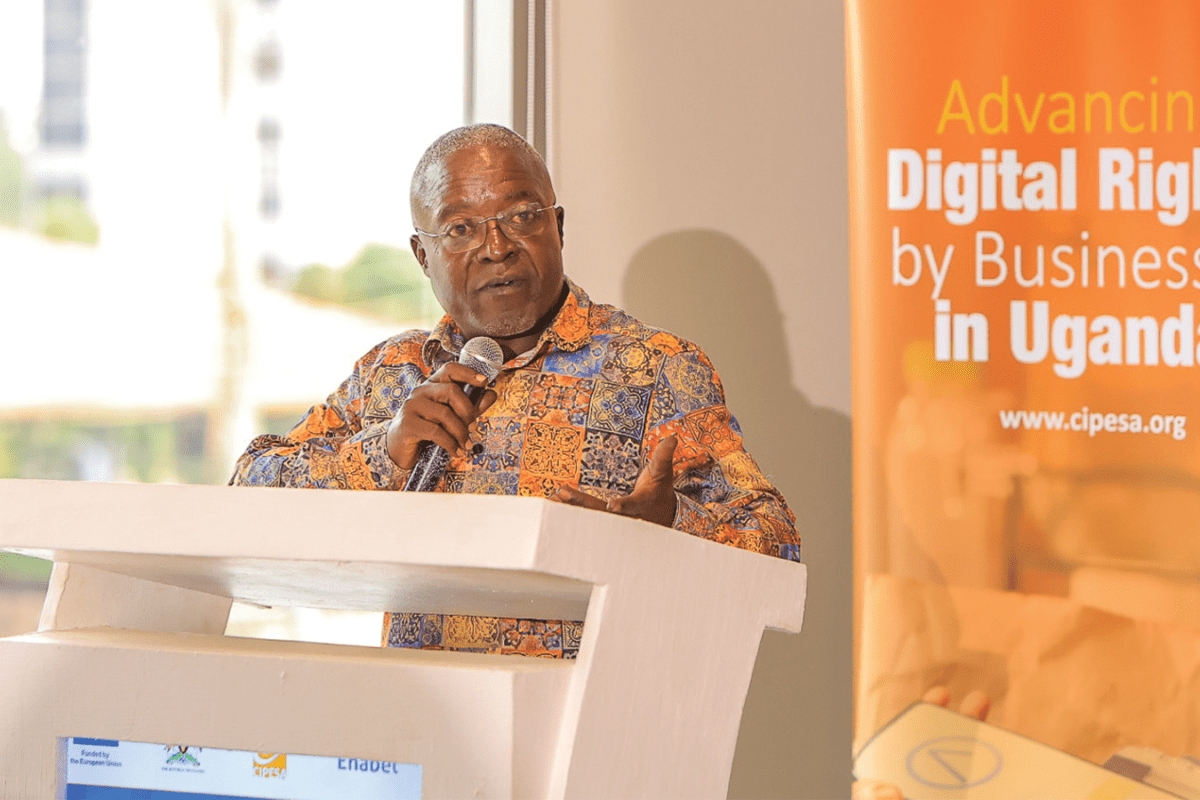
Data Protection Officers (DPOs) from across the country gathered at Four Points by Sheraton, Kampala, on Wednesday, 28 January 2026, for a masterclass aimed at strengthening strategic data protection leadership. Organised by the Personal Data Protection Office (PDPO) in partnership with the Collaboration on International ICT Policy for East and Southern Africa (CIPESA), the event marked the annual International Data Privacy Day and focused on helping DPOs balance compliance, risk, and business needs within their organisations.

While giving opening remarks at the masterclass, Baker Birikujja, the National Personal Data Protection Director, highlighted the everyday realities of personal data protection.

“Some of the most damaging privacy incidents do not begin with hackers,” he said. “They begin with a printed report left on a desk, a patient file discussed in an open corridor, an unlocked cabinet, or a phone call handled without discretion. Personal data exists not only online, but on paper, in recordings, photographs, CCTV footage, and everyday conversations and it deserves the same discipline and respect wherever it sits.”

He added that modern privacy management is not merely a file of policies. “It is a system of decisions, behaviors, controls, and accountability,” he said, noting that effective data protection requires attention to both digital environments such as databases, apps, and cloud services, and physical or offline environments, including paper records, filing systems, CCTV, and call recordings.

Edrine Wanyama, Programme Manager Legal at CIPESA, noted that the partnership with the PDPO was driven by a shared commitment to building strong and effective collaborations in data governance and protection. “We believe in building good partnerships, and we have actively leveraged and worked through these processes to buttress efforts,” he said. He added that data protection is central to CIPESA’s work.

He further noted that marking International Data Privacy Day through the workshop was intentional, explaining that the masterclass was designed to enhance knowledge of Data Protection Officers and build their capacity to effectively respond to emerging data protection risks and take appropriate actions

Edrine Wanyama, Programme Manager, Legal at CIPESA, explained why CIPESA partnered with PDPO; “We believe in building strong partnerships and have leveraged these collaborations over time. Data protection is central to what we do, and data is critical because it relates directly to individuals.”

He also highlighted that the timing of the masterclass on International Data Privacy Day was intentional. He noted that the workshop was designed to bring Data Protection Officers together to not only acquire knowledge but also build their capacity to effectively do their work.

The masterclass featured three key sessions. The first explored the evolving role of the DPO as a strategic advisor, covering legal mandates, independence, and repositioning from a compliance officer to a trusted advisor. The second session focused on applying a risk-based approach to data protection, helping DPOs identify high-risk processing activities, prioritise compliance actions, and use risk assessments to guide management decisions. The final session addressed balancing compliance, risk, and business needs, equipping DPOs with strategies to advise leadership in clear business language, support innovation, and document recommendations effectively.

The sessions come against a backdrop of broader challenges for DPOs in Uganda. A recent PDPO training needs assessment conducted by the PDPO in November 2022, revealed that around 90.6% of DPOs lack formal certification in data protection and privacy, and only a small proportion have technical or legal backgrounds. Many officers are also less involved in core compliance tasks such as audits, breach reporting, and managing data protection complaints. These findings highlight the continued importance of professional development and knowledge-sharing forums like this masterclass.

By convening DPOs on International Data Privacy Day, PDPO and CIPESA emphasised the need for proactive privacy leadership in safeguarding personal data and maintaining public trust. Participants were equipped with practical tools to advise management, manage data protection risks, and integrate privacy considerations into organisational practices.

The masterclass is part of PDPO’s ongoing efforts to foster a culture of responsible data governance in Uganda, ensuring that personal data protection extends beyond regulatory compliance to build public confidence in the country’s growing digital economy.

Following the sessions, participants agreed on collective actions to:

  • Prioritise privacy-by-design and continually engage in robust cybersecurity practices aimed at protecting and securing individuals’ personal data.
  • Develop internal data protection policies to guide the implementation of data practices and ensure personal data protection.
  • Keep abreast of technological developments, including AI, and ensure minimisation of risks associated with it for progressive data protection.
  • Conduct staff and customer tailored trainings and raise awareness amongst them on data protection and the need to safeguard their data.
  • Ensure that as DPOs, they take on pivotal leadership over data protection to ensure compliance with the data protection principles and protection of data protection rights.
  • Hold all perpetrators of data breaches accountable for their actions in order to deter any further similar breaches by errant data controllers and processors.
  • Conduct regular data mapping and maintain up-to-date records of processing activities to understand what data is in their possession and how to rightly handle it in the changing technological and business spaces.
  • Foster collaboration across teams and recognise that privacy cannot be managed in isolation but through joint responsibility and efforts.
  • Recognise their central role in the compliance and reporting function to ensure the establishment of safeguards that protect their organisations from reputational, legal, and financial harms.

Please see an emerging press release here.

CIPESA Condemns Ongoing Internet Disruption in Uganda

Statement |

The Collaboration on International ICT Policy for East and Southern Africa (CIPESA) condemns the ongoing internet disruptions in Uganda and urges the government to immediately restore full access to social media platforms, blocked websites, and mobile money services. We further call upon the Government of Uganda to cease and desist from ordering internet throttling and blockages, which unjustifiably deny citizens the right to express themselves and to access, share and disseminate information. Internet disruptions further limit the public’s ability to conduct business, access public services, participate in community and civic affairs, socialise, and maintain contact with friends, family, and associates.

CIPESA joins numerous independent observers who have strongly condemned the disruptions to digital communications, including the Uganda Law Society, which has described the disruptions as unlawful. While the Uganda Communications Act (2013) grants powers to the national communications regulator, according to the Uganda Law Society, the Uganda Communications Commission (UCC) may order a blockage of communications following a formal declaration of a state of emergency. No such state of emergency was declared at the time the regulator ordered a nationwide shutdown two days before the January 15, 2026, polls. Government officials said the disruption was aimed at curbing the spread of online misinformation, electoral fraud, and incitement to violence in the lead-up to the elections.

As affirmed by the African Commission’s Special Rapporteur on Freedom of Expression and Access to Information, as well as global civil society organisations, governments must refrain from imposing network disruptions and instead address security or public order concerns through lawful, necessary, and proportionate measures. Indeed, internet shutdowns and restrictions are a disproportionate measure that violate Uganda’s constitutional guarantees and its regional and international human rights obligations, including those under the African Charter on Human and Peoples’ Rights.

Furthermore, CIPESA is concerned by the broader pattern of repression, including relentless attacks on civil society organisations. In the days preceding the elections, several organisations working on media rights, democratic governance, and human rights protection were suspended, in what appears to be a deliberate attempt to silence independent voices. This broader crackdown on civic space also included the arrest of human rights defender Sarah Bireete, Executive Director of the Centre for Constitutional Governance, further illustrating the shrinking environment for civil society and human rights work in the country.

A free, independent, and vibrant civil society is indispensable to any democratic society and should not be treated as government adversaries. The Government of Uganda should therefore recognise civil society organisations as legitimate and valuable partners in improving livelihoods, strengthening rights protection, and advancing democratic governance and socio-economic transformation.

Similarly, CIPESA urges the government to immediately cease attacks against journalists and media workers, particularly those from independent media houses and journalists who are critical of government actions. These violations, which have been widely documented by national and international actors, including the United Nations, undermine media freedom and the public’s right to access information, especially during electoral periods.