CIPESA Working On Advancing Digital Inclusion for Persons With Disabilities in Africa

By Staff Writer |

Persons with disabilities have unique needs and have for long been disadvantaged, yet the more some African countries get digitally connected, the deeper the digital divide for this community seems to grow. Despite growth in Information and Communications Technology (ICT) penetration, a large section of persons with disabilities faces digital exclusion due to lack of access and affordability of the requisite ICT tools and equipment, and failure by telecommunication operators to provide information and services in disability-friendly formats.

While millions turned to technology and traditional media for information in the wake of the Covid-19 pandemic, critical messages about the disease that are disseminated by health authorities, telecom companies, and broadcasters were and still are not reaching persons with visual and hearing impairments.

In turn, the digital exclusion of persons with disabilities worsened with the Covid-19 pandemic yet the Covid-19 crisis rendered technology key to working, learning, political participation and the enjoyment of other rights. Yet few organisations, within and outside the digital rights movement, are pushing for greater ICT accessibility.

These gaps in access to information gaps are growing despite the International Disability Alliance (IDA) issuing key recommendations towards a disability-inclusive Covid-19 response, including the requirement that persons with disabilities must receive information about infection mitigating tips, public restriction plans, and the services offered, in a diversity of accessible formats with use of accessible technologies.

The Collaboration for International ICT Policy for East and Southern Africa (CIPESA), is working to raise the availability of information on ICT and disability in Africa by producing relevant evidence-based research; mainstreaming disability rights issues in conversations about technology access and digital rights; growing the capacity of diverse actors to research on and advocate for meaningful connectivity and digital accessibility, and engaging key actors such telecom companies and regional bodies.

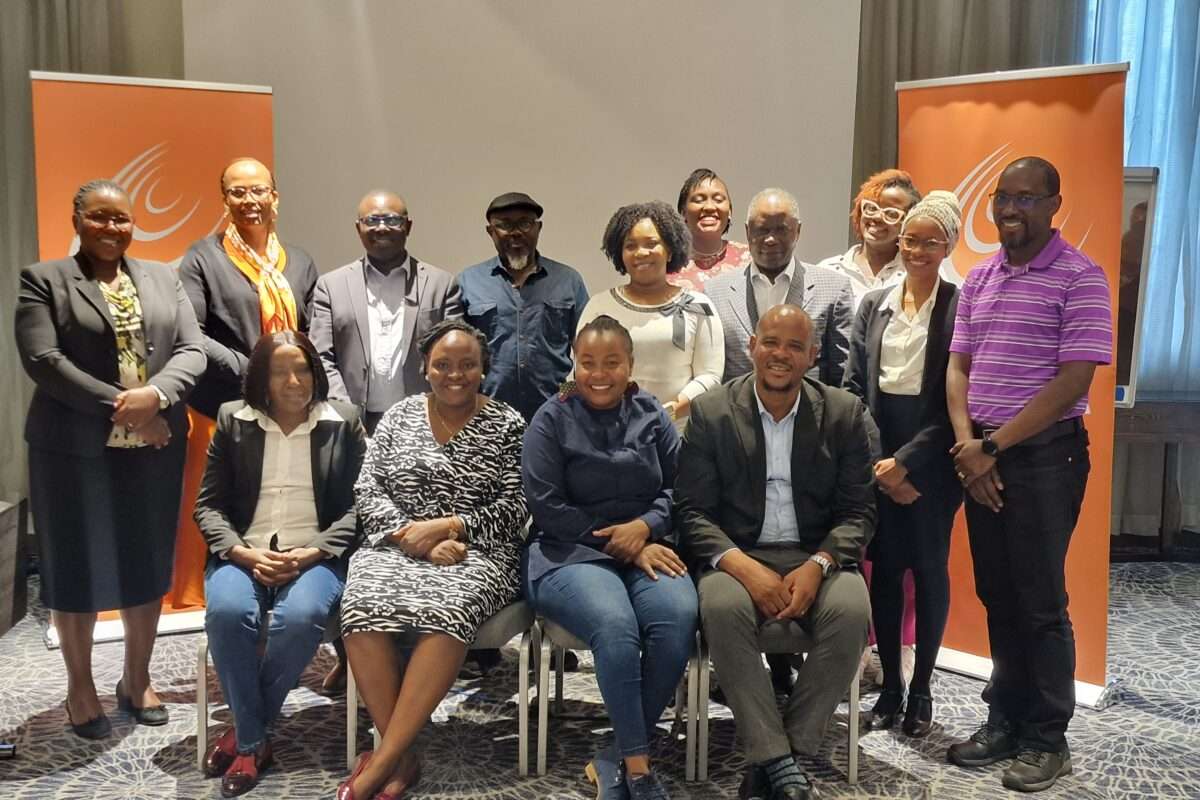
What CIPESA is doing is quite powerful and empowering. The tool is excellent, it needs to be worked on as we’ve given our input in the meeting. Once that is done, reaching out and creating awareness about the tool will be more powerful, engaging such stakeholders such as government and other key stakeholders. Once it is out this is going to be a game-changer because for persons with disabilities, ICT makes the world go round … This has been one of the first meetings on ICT and disabilities, so it is an excellent move. – Erick Ngondi, United Disabled Persons of Kenya

Here are some of our blogs and in-depth research reports on technology and persons with disabilities in Africa.

Blogs

  1. Why Access to Information on Covid-19 is Crucial to Persons with Disabilities in Africa
  2. Placing ICT Access for Persons with Disabilities at the Centre of Internet Rights Debate in Kenya
  3. CIPESA Submits Comments to Uganda Communications Commission on Improving Access to ICT for Persons With Disabilities
  4. Calling Out the African Union and Telecoms Associations to Prioritize ICT Access for Persons with Disabilities
  5. Vodacom Outshines MTN in Efforts to Serve Persons With Disabilities in South Africa
  6. People With Disabilities Left Out in ICT Jamboree
  7. Governments and Donors Urged to Advance ICT Access for Persons with Disabilities
  8. Telcos in Nigeria and Kenya Should Address Exclusion of Persons With Disabilities
  9. CIPESA Endorses GSMA Principles to Drive Digital Inclusion of Persons With Disabilities
  10. Fighting for plight of persons with disabilities

Research Reports

  1. Assessing the Barriers to Accessing ICT by People with Disability in Tanzania
  2. Assessing the Barriers to Accessing ICT by People with Disability in Uganda
  3. Assessing the Barriers to Accessing ICT by People with Disability in Kenya
  4. Removing Barriers to ICT Accessibility for Persons with Disabilities in  Kenya, Tanzania and Uganda which identified needed actions by government, regulators and communication companies.
  5. Access Denied: How Telecom Operators in Africa Are Failing Persons With Disabilities. CIPESA assessed 10 telecom companies in five countries (Botswana, Kenya, Nigeria, South Africa, and Uganda). Most of them – despite being long-established operators with a majority market share in their respective countries – were found to have failed to meet their obligations to provide information and services to persons with disabilities, in contravention of the companies’ obligations under national laws and the CRPD.

CIPESA made submission to the AUC, the ATU and EACO, drawing attention to these organisations’ obligation to protect and advance the rights of persons with disabilities in line with the African Charter on Human and Peoples’ Rights; the CRPD; the Treaty to Facilitate Access to Published Works for Persons Who Are Blind, Visually Impaired or Otherwise Print Disabled (the Marrakesh Treaty); the SDGs; and the Protocol to the African Charter on Human and Peoples’ Rights on the Rights of Persons with Disabilities in Africa.

See an in-depth document about our work here.

Watch this insightful discussion on “The Role of the Media in Promoting Digital Rights for  Persons With Disabilities in Africa.

Why Access to Information is Essential for Democratic Elections in Africa

By Dunia Mekonnen Tegegn |

The importance of access to information in the electoral process and for democratic governance is documented in the African Charter for Democracy, Elections and Governance, and other sub-regional treaties and standards.

Without access to reliable information during the electoral process, it is difficult for citizens to eloquently exercise their right to make an informed choice. For elections to be free, fair, and credible, voters must have access to information at all stages of the electoral process. Access to information enables voters to be educated and informed about political processes so that they can have a basis upon which to vote for political office holders and to hold public officials responsible for their acts or oversights in the implementation of their actions.

Though Africa has developed several normative frameworks and legal instruments defining democratic elections, the wider dissemination of relevant information during the electoral process remains a challenge, putting the credibility of the process into question.

The Revised Declaration of Principles of Freedom of Expression and Access to Information under principle 13 emphasises that any preparatory work for elections should take into account the need for access to information and adherence to the African Union Commission’s Guidelines on access to information and elections.

Over the past few years, access to information has further been made easier through advances in information and communications technology (ICT), especially the internet, which have expanded the avenues through which people can access and share news and information.

Consequently, the importance of internet access in the dissemination of information that is politically balanced and adequate, particularly during election times, has also been underscored under many of the regional human rights instruments     .

For example, the UN Committee on Civil and Political Rights (CCPR) has emphasised that the internet is one way of expression since paragraph 2 of article 19 protects all forms of expression and the means of their dissemination. Similarly, principles 37 and 38 of the Revised Declaration of Principles of Freedom of Expression and Access to Information provide protection for access to the internet.

Despite existing guarantees, both state and non-state actors have violated these rights by limiting access to information during election periods through ordering internet shutdowns, clamping down on news media, and restricting the movements of political opponents to campaign. This in turn undermined the reliability of electoral processes.

Trends also indicate that most of the African countries conducting elections in 2020 and beyond have experienced internet shutdowns, often affecting the fairness and credibility of the elections.

The situation has further been complicated by COVID-19, which has hampered crucial offline electioneering, making the online space crucial. Though state and non-state actors have used various types of strategies to censor and restrict information during election times including through blocking certain content and internet pages, the impact blanket internet shutdowns have on access to information is massive. This strategy is not the best option as internet shutdowns only present short term solutions. Other alternatives should be sought, such as progressive laws, judicial oversight , and legal actions before domestic and regional courts     .

In this report, the Collaboration on International ICT Policy in East and Southern Africa (CIPESA) explores the challenges citizens face in accessing crucial information in Africa, especially during elections, despite the recent developments in the ICT sector, including the internet which is often shut down as governments attempt to stifle their citizens’ ability to seek and share information online.

Report Launch: How Telecom Operators in Africa Are Failing Persons With Disabilities

#FIFAfrica20 |

Today, the Collaboration on International ICT Policy for East and Southern Africa (CIPESA) has released a new report which shows that several telecom companies in Sub-Saharan Africa have failed to meet their obligations to provide information and services to persons with disabilities. The report assessed 10 telecom companies in five countries: Botswana, Kenya, Nigeria, South Africa, and Uganda and was based on guidelines from the International Telecommunications Union (ITU) Model Accessibility Policy 2014, the  World Wide Web Consortium’s Web and Mobile Content Accessibility Guidelines, and the United Nations Convention on the Rights of Persons with Disabilities (CRPD).

Most of the companies assessed – despite being long-established operators with the majority market share in their respective countries – failed to prioritise the needs of telecom customers with disabilities in contravention of the companies’ obligations under national laws and the CRPD.

Safaricom in Kenya and Vodacom South Africa were found to be leading in improving accessibility of communication products and services for persons with disabilities. The good performance by Safaricom and Vodacom in comparison to other companies reviewed appears to be driven by the policies and culture of the Vodafone group to which both belong and not by regulations or regulators in Kenya and South Africa.

MTN’s operations in Nigeria, South Africa, and Uganda, as well as Airtel’s operations in Nigeria and Uganda seemed to give low consideration to accessibility of their services by persons with disabilities. This was evidenced by the consistent non-compliance with the accessibility indicators covered in the study across the countries where MTN and Airtel operated.

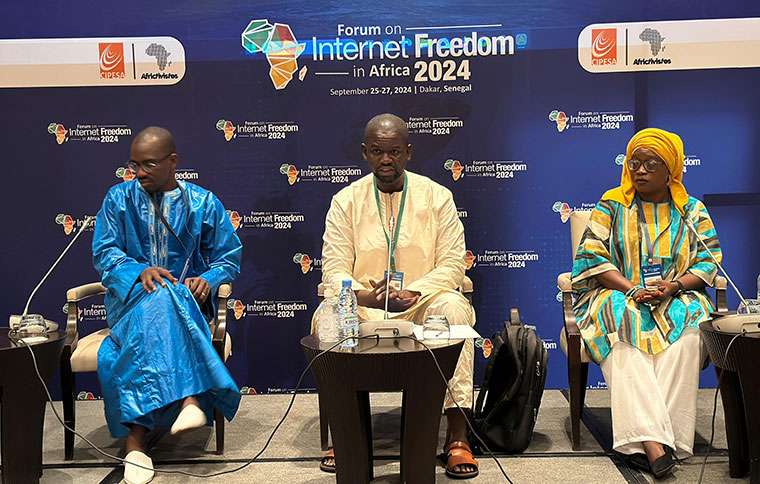
The report was launched at the Forum of Internet Freedom in Africa 2020 (FIFAfrica20) as part of commemorations of the International Day for Universal Access to Information (September 28). The findings  featured in panel discussions on how Covid-19 has accelerated the digital exclusion of persons with disabilities, which is undermining a key pillar of the 2030 Agenda for Sustainable Development Goals (SDGs) – the pledge to leave no one behind.

Given the critical role the telecom industry plays in providing information and communication services, it is of utmost importance that it takes deliberate measures to promote accessibility of its products and services. The industry also needs to create awareness of accessible mobile communications among persons with disabilities, their caregivers, and organisations of persons with disabilities (DPOs).

Recommendations

  1. Telecom operators need to address concerns of persons with disabilities regarding their services and products, including through provision of information in accessible formats such as Braille, large print, visual and audio formats; understand the numbers and needs of their customers with disabilities so that they build focused products and services to suit these customers; ramp up sensitivity training for their staff, including in basic sign language.
  2. Government agencies such as communication regulators and consumer protection units should enforce legislation on accessible communication products and services. More vigilance is needed in enforcing implementation of national disability laws, Codes of Practice, consumer rights regulations, and ICT and disability policies.
  3. Safaricom and Vodacom South Africa provide learning examples for other operators on proactively improving digital accessibility and building partnerships that improve service provision to persons with disabilities. Regulators also need to learn from these examples to offer guidance to operators in their jurisdictions.
  4. Telecom companies should form partnerships with academia, civil society, DPOs, tech developers and innovators and device manufacturers to develop accessible mobile communication solutions.
  5. Governments should offer incentives for investment and innovation in accessible mobile devices and software solutions to encourage the development and availability of such technologies and solutions. Examples of such incentives are tax exemption on handsets/mobile devices tailored to the needs of persons with disabilities.

The full report can be found here.

Uganda's Social Media Tax Undermining Covid-19 Fight

By Juliet Nanfuka |

Globally, in the wake of the outbreak of coronavirus disease (COVID19), social media has played various roles, such as  filling information vacuums and providing channels for citizens to demand accountability and transparency. In Uganda, the government and other agencies have utilised social media as one of the avenues for disseminating information to citizens, including providing status updates on confirmed cases, as well as running public health and safety campaigns. 

However, the effectiveness of social media to reach a wider audience in Uganda has likely been undermined by the social media tax, which the finance ministry introduced in July 2018. The tax on so-called Over-the-Top (OTT) services requires  telecom subscribers to pay a daily subscription in order to access popular social media platforms, such as Facebook, Twitter, Instagram and WhatsApp. 

Despite several requests to suspend the tax during the pandemic, the government has upheld it, thereby  excluding segments of the population from easily accessing information and resources via the taxable platforms. Last month, the Speaker of Parliament joined the chorus of those urging the suspension of the tax so as to aid the fight against the pandemic. Her call rode on the revelation by the tax authority that the OTT tax had dismally failed to raise the revenue earlier anticipated, and admission from the minister for information and communications technology that the tax needed to be rethought.

Uganda’s internet penetration stands at 38%, but with research indicating that many subscribers have more than one internet subscription, the proportion of citizens that use the internet could be much lower than 38%. A key challenge is cost. An average Ugandan telecom subscriber spends UGX 10,500 (USD 2.8) per month on voice, SMS and data, yet  access to social media for a month costs an additional USD 1.6 as OTT tax.

Indeed, multiple and high taxation on digitisation remains a stumbling block to increased inclusion not only to basic social media access but also for mobile money usage, digital banking, and access to public e-services.

While all forms of communication including radio, television and in some cases, loudspeakers are playing vital roles in keeping citizens informed on Covid-19, social media is providing a valuable channel for reporting public health gaps, encouraging transparency, accountability, clarification and case monitoring – yet its reach is limited by the OTT tax.

In the early stages of Uganda’s lockdown, it was through social media posts of academic and satirist, Dr. Spire Ssentongo, that many citizens learnt of the cracks in the states’ quarantine processes, such as the forced excessive accommodation prices for quarantined individuals, and the continued public operations of hotels that had been designated as gazetted quarantine centres. Many others also took to social media to share their experiences and the Ministry of Health was forced to respond to these concerns.

Meanwhile, opposition Member of Parliament Robert Kyaluganyi used his social media platform to launch an educative music video on the pandemic in March, and within 10 hours of its release it had garnered more than 700,000 views. He later tweeted that he had  numerous requests for authorisation for the song to be played on television and radio stations.

At government level, some key ministries are struggling with the optimal utilisation of their social media platforms and basic information availability on their websites. For instance, the Ministry of Education and Sports website has no information related to how the education sector should cope with the pandemic. Instead, a series of tweets were made through the account of the ministry’s head, Janet Museveni, pointing to a PDF which details some measures the ministry is undertaking, none of which make any reference to the use of technology or have any indication of where the suggested educational content could be found online.

Yet some entities have showed how technology is aiding their efforts to combat Covid-19. Among them was a tweet by the  Uganda Revenue Authority (@URAuganda) highlighting how investment in the Regional Cargo Tracking System (RCTS) had helped to intercept a truck driver who tested positive for Covid-19. The system was launched in 2017 to track goods under customs control from point of loading to a final destination within Kenya, Rwanda and Uganda.

Back in 2017, the government launched the Uganda Digital Vision,  a national policy and strategic framework to guide the country’s digital transformation and provide a unified direction for ICT development. With the social media tax undermining access to digital information and services, and key ministries failing to leverage digital technologies in providing critical public services, the Digital Vision does not seem to be delivering well on its promises.


Why Access to Information on Covid-19 is Crucial to Persons with Disabilities in Africa

By Paul Kimumwe |

While the Coronavirus disease (Covid-19) continues to ravage the world, there is growing concern that critical messages about the disease that are disseminated by health authorities, telecom companies, and broadcasters are not reaching persons with visual and hearing impairments.

In order to create public awareness about the pandemic, African governments are using mass media, notably radio and television, as well as Information and Communication Technologies (ICT), particularly  social media and mobile telephony platforms. The countries with confirmed Covid-19 cases, such as the Democratic Republic of Congo, Eritrea, Ivory Coast, Kenya, Nigeria, Rwanda, Senegal, South Africa, Tunisia, and Uganda, have restricted people’s movements and banned public meetings.

Various telecommunication companies, such as MTN Uganda, Safaricom in Kenya, MTN Ghana, have also removed service charges on mobile money transactions and discounted internet data prices so as to increase accessibility and affordability of the internet.

In South Africa, Vodacom and MTN are “zero-rating” information portals run by the country’s Department of Health, meaning they allow users to access vital information about the disease even when they do not have data bundles. Vodacom customers can get free vital information about the Covid-19 pandemic by visiting the website, www.sacoronavirus.co.za. 

However, concern is growing that some persons with disabilities are being left behind in accessing information on Covid-19. This is because, despite the recent expansion in the usage of ICT in the region, a large section of persons with disabilities faces digital exclusion due to lack of access and affordability of the requisite ICT tools and equipment,  as well as failure by broadcasters and telecom operators to provide information and services in disability friendly formats. 

Ms. Judy Okite, a disability rights activist and founder of the Association for Accessibility and Equality, says that in Kenya, it is “once in a while when they [media and government] remember there is a [need for a] sign language interpreter during Covid-19 related press briefing but, it’s very unsatisfactory.” She adds that there are no messages in braille, and for live broadcasts of discussions by national experts leading the fight against Covid-19, there is neither sign language nor captions.

The situation is similar in Ethiopia, according to Awoke Dagnew, who works with the Ethiopian charity organisation Together! He says most persons with disabilities in Ethiopia are being excluded because “most of the messages and platforms are in formats and via [electronic] channels that persons with disabilities have limited access to,” namely, television, radio, social media and telephone messages.

While several African countries have  enacted laws and policies to advance the rights of persons with disabilities, including those on access and use of ICT, these laws have largely remained on paper as key provisions are neither being implemented nor enforced. For example, while broadcasters are required by law in many African countries to have sign language insets or subtitles in newscasts, educational programmes and other programmes covering national events, there is little evidence of this being done. Indeed, some key television broadcasts and public service announcements related to Covid-19 have neither sign language interpretation nor sub-titling.

See: Removing Barriers to ICT Accessibility for Persons with Disabilities in  Kenya, Tanzania and Uganda

“In Uganda, [whereas] the Ministry of Health released a video in sign language with general information, still graphics used in most informative materials are not in font types, sizes and colour combinations [optimised] for the visually impaired,” observed Mohamed Kimbugwe, the Digitalization and Human Rights Technical Advisor at the GIZ office in Uganda. Moreover, while major television stations have sign language interpretation on major new bulletins, this is not always the case for other crucial public awareness campaigns, such as press conferences and updates from the national Covid-19 task force.

In Nigeria, sections 24 and 25 of the Discrimination Against Persons with Disabilities (Prohibition) require public hospitals and the government to ensure that persons with disabilities are given special considerations, including provision of special communication during situations of risk, emergicies (such as Covid-19) and other natural causes.

 In the wake of declaring Covid-19 a global pandemic, the WHO  issued guidelines to mitigate the impact of the outbreak on persons with disabilities. It called upon governments to take action to ensure that persons with disabilities are not left behind in the fight against Covid-19. Regarding Covid-19 public health information and communication,  the WHO urged governments to:

  • Include captioning and, where possible, sign language for all live and recorded events and communications. This includes national addresses, press briefings, and live social media. 
  • Convert public materials into “Easy Read” format so that they are accessible for people with intellectual disability or cognitive impairment. 
  • Develop accessible written information products by using appropriate document formats, (such as “Word”), with structured headings, large print, braille versions and formats for people who are deafblind. 
  • Include captions for images used within documents or on social media. Use images that are inclusive and do not stigmatise disability. 
  • Work with disability organisations, including advocacy bodies and disability service providers to disseminate public health information.

The International Disability Alliance (IDA) has also issued key recommendations towards a disability-inclusive Covid-19 response, including the requirement that persons with disabilities must receive information about infection mitigating tips, public restriction plans, and the services offered, in a diversity of accessible formats with use of accessible technologies.

The implementation of the WHO and IDA guidelines and recommendations need not be treated as a favour, as African governments are obligated under both the United Nations Convention on the Rights of Persons with Disabilities (CRPD) and the Protocol to the African Charter on Human and Peoples’ Rights on the Rights of Persons with Disabilities in Africa (ACHPER PD) to provide equal opportunities, accessibility and inclusion of persons with disabilities. Specifically, Article 9(b) of the CRPD requires states to take appropriate measures to ensure that persons with disabilities have access, on an equal basis with others, to information, communications and other services, including electronic services and emergency services.

Additionally, Article 25(b) of the CRPD requires states to take all appropriate measures to ensure access for persons with disabilities to health services (and information) that are gender-sensitive, including health-related rehabilitation.

On the other hand, state are required, under Article 19(2) of the ACHPER PD Protocol to put in place policy, legislative, administrative and other measures to ensure these rights, on the basis of equality, including requiring private entities, such as telecom and television companies, to provide information and services in accessible and usable formats for persons with disabilities.

Re-echoing the WHO guidelines, Okite recommends that governments and other agencies, including telecom and broadcasting companies involved in the design and dissemination of Covid-19 related public information, should ensure that they make all the information accessible to persons with disabilities. “If it’s online content, let it be in an accessible format, in some instances use diagrams, in a live interview /discussion let there be transcriptions or sign language that all persons may get information first-hand to avoid anxiety and fear and misunderstanding.” 

Televised programmes that feature experts discussing Covid-19 should have sign language interpreters and transcriptions to enable persons with visual and hearing impairments to benefit from the expert knowledge.

In Uganda, the National Union for Persons with Disability (NUDIPU) has called for the suspension of the social media tax (OTT) whose introduction in 2018 exacerbated the digital exclusion of marginalised populations, to enhance access to information and ease communication for persons with disabilities, especially the deaf.

In designing and disseminating Covid-19 related messages, telecom companies need to ensure that these are in multiple formats – including SMS, audio, visual and in disability friendly formats.