Ayele Addis Ambelu

Ayele Addis Ambelu is an award-winning journalist, investigative reporter, and digital rights advocate with over five years of experience in public interest journalism. He works with Africa News Channel and Ethiopian Mass Media Action (EMMA NEWS), producing in-depth stories on digital
governance, human rights, technology, and environmental justice. Ayele’s reporting focuses on the impact of digital public infrastructure—such as digital ID systems, open data, and internet access—on marginalized communities in Ethiopia and across Africa. He holds an MA in Media and
Communication and has published over 100 investigative pieces spanning radio, online, and academic platforms. As a media literacy trainer and program editor, Ayele also mentors emerging journalists on fact-checking, digital safety, and AI in the newsroom. His work has been recognised by the Nile Media Awards, the Festove investigative Media Award in Switzerland, the African Continental Re media award in South Africa, and WHO Africa. He is passionate about using journalism to expose inequality and drive inclusive digital transformation.

Below articles published include,

Digital Ethiopia or Digital Mirage? Who Pays When E-Government Fails

Behind Fayda: The Hidden Costs, Winners, and Losers of Ethiopia’s Digital ID Revolution

What is the digital ID that is supposed to be issued to all legal residents of Ethiopia?

Challenges and solutions of the Digital Ethiopia 2025 journey

Digital Ethiopia or Digital Mirage? Who Pays When E-Government Fails

Digital Ethiopia 2030: A Bold National Vision at the Crossroads of Promise and Peril

800 types of government services converted to digital

Audio Recordings

By Ayele Addis Ambelu

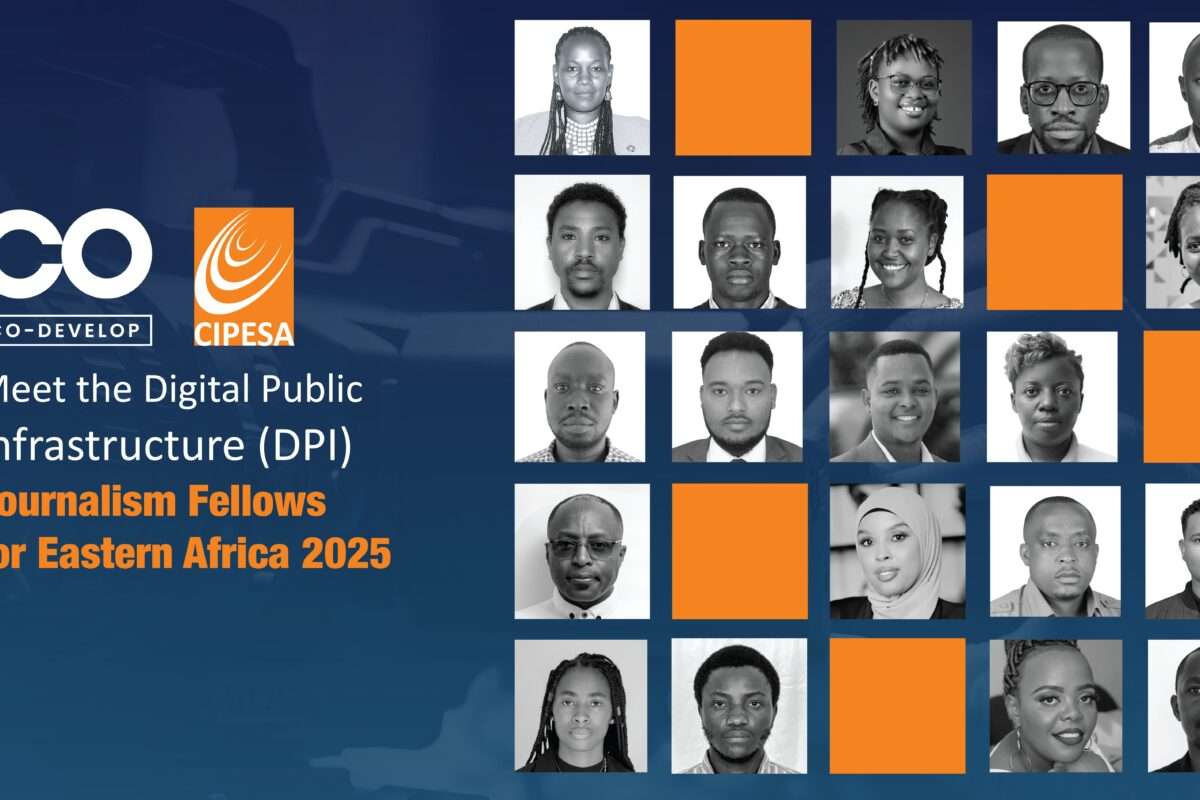
Meet the Next Generation of Journalists Covering Africa’s Digital Public Infrastructure

DPI Fellowship |

The Collaboration on International ICT Policy for East and Southern Africa (CIPESA), in partnership with Co-Develop, is pleased to announce the inaugural cohort of Fellows selected for the Digital Public Infrastructure (DPI) Journalism Fellowship for Eastern Africa following an open call in April 2025. 

This six-month regional fellowship aims to cultivate a new generation of journalists with the knowledge and skills to investigate and report on DPI and Digital Public Goods (DPGs). Fellows will participate in specialised training sessions, receive mentorship, and receive financial support to develop and produce impactful stories in diverse formats and languages. The stories will interrogate the development and deployment of DPI and DPGs with a focus on their implications for governance, inclusion, equity, and citizens’ everyday lives.

The fellowship brings together 20 journalists from nine countries (Burundi, DR Congo, Ethiopia, Kenya, Rwanda, Somalia, South Sudan, Tanzania, and Uganda) who work across online, broadcast, and print platforms.

The call in April attracted 214 applications, which were assessed through a rigorous selection process to identify fellows who demonstrated a strong interest and capacity to report on emerging digital public infrastructure issues with clarity, depth, and integrity. 

“This fellowship is about more than capacity building. It is about empowering African journalists to shape the public narrative around digital transformation in ways that reflect citizens’ rights, challenges, and aspirations,” said Dr. Wairagala Wakabi, CIPESA’s Executive Director. “We are thrilled to support these pioneering journalists as they lead the charge in demystifying digital infrastructure and holding power to account.”

The launch of this fellowship is significant as the digital transformation agenda of many African countries is evolving. Yet, media coverage of DPI and DPGs remains limited. The fellowship aims to close that gap by building the capacity of the media to cover DPI and DPI in ways that create awareness and informed public discourse on digital governance.

The fellowship is inspired by a similar Co-Develop-funded initiative implemented by the Media Foundation for West Africa (MFWA), which supported fellows to produce over 100 impactful stories that spurred public debate and influenced policy.

At Co-Develop, we believe that sustainable digital public infrastructure requires more than innovation and technology, it demands informed ecosystems. By supporting journalists across nine East African countries, this fellowship helps create a critical layer of engagement and accountability around Digital Public Infrastructure. We’re proud to invest in a future where DPI is not only built, but deeply understood, safeguarded, and shaped by those it serves.
– Desire Kachenje, Senior Investment Principal, Co-Develop

Follow the Fellows’ Stories
Stay engaged with the work of the DPI Journalism Fellows throughout 2025 using the hashtags #DPIJournalism #DPIFellows2025. Follow their stories and insights via CIPESA and Co-Develop’s online platforms, and join the conversation on how digital public infrastructure is shaping the future of governance and inclusion in Africa.

Read more about the DPI Journalism Fellows 2025 here.

Co-Develop & CIPESA Empowering East Africa’s Journalists to Shape the Future of Digital Public Infrastructure Discourse

Partnership |

What if the future of digital public infrastructure (DPI) was shaped not just by policymakers and technologists, but by the stories that journalists tell? At Co-Develop, we believe that the stories told about DPI can drive awareness, accountability, and action. This is why Co-Develop is pleased to announce a new partnership with the Collaboration on International ICT Policy for East and Southern Africa (CIPESA) to launch a DPI Journalism Fellowship in Eastern Africa. 

Whatever it is, the way you tell your story online can make all the difference.

Building on the success of our West African program, this initiative will equip journalists across Burundi, the Democratic Republic of the Congo, Ethiopia, Kenya, Rwanda, Somalia, South Sudan, Tanzania, and Uganda with the skills, resources, and networks needed to report on DPI and Digital Public Goods (DPGs) with depth and clarity. By promoting informed public discourse, the program aims to make digital transformation more accessible and transparent to the communities it serves. 

Digital public infrastructure refers to the foundational digital systems, platforms, and services that enable secure, efficient, and inclusive delivery of public and private services. Examples of DPI include digital identity (ID) systems, instant payment platforms, data exchange frameworks, open data platforms, and eGovernment platforms. 

The West African fellowship trained 20 journalists who produced over 115 impactful stories, leading to policy debates and meaningful reforms—such as the digitization of birth certificates in Nigeria following a corruption exposé. Inspired by this success, we are excited to bring this model to Eastern Africa, where digital transformation is rapidly advancing, yet public engagement remains limited.

Despite significant DPI developments, many citizens remain unaware of their implications. The media plays a critical role in bridging this gap. The new journalism fellowship will empower journalists to report on DPI in ways that highlight its benefits, challenges, and impact on everyday lives.

Through a structured program of training, reporting grants, and collaborations with regional media houses, the fellowship will amplify DPI narratives, encourage investigative journalism, and promote greater transparency and accountability. Drawing from insights gained in West Africa, we aim to build a scalable and sustainable model that strengthens public understanding of DPI, ensuring it is not just a policy conversation but a lived reality for millions. 

“We welcome this timely initiative, which will strengthen the role of journalism in shaping the future of DPI in Eastern Africa and we look forward to seeing the transformative impact of this collaboration”, said Dr. Wairagala Wakabi, the CIPESA Executive Director. “As digital transformation accelerates, journalists can play a vital role in ensuring that the public remains informed about the opportunities and challenges associated with DPI.”

He added that the fellowship will help bridge the gap between policymakers and the public, enhancing transparency and accountability in digital governance.

We look forward to seeing the transformative impact of this collaboration.

“This fellowship aligns with CIPESA’s commitment to promoting and protecting digital rights, the digital economy, and inclusive digital societies across Africa,” Dr. Wakabi said. “We expect this program to produce a new cadre of investigative journalists who will drive meaningful public discourse on DPI and DPGs. We hope that this will in turn contribute to policies and practices that ensure digital public infrastructure serves all citizens equitably while remaining rights-respecting.” 

This article was first published on the Co-Develop Website