Accelerating Digital Accessibility and Solutions for Africa’s Future

By Raylenne Kambua |

More than 150 million persons with disabilities across Africa navigate a digital landscape not designed for them, with inaccessible websites, unusable mobile applications, unreachable government services, and educational platforms that often lock them out. This exclusion carries a direct economic cost, which the World Bank estimates at 3–7% of countries’ Gross Domestic Product.

Increasingly, connectivity for persons with disabilities has become less a question of infrastructure coverage and more about accessibility and meaningful usage. While internet services are available to 85% of Africa’s population, 64% of those within coverage do not use them, with persons with disabilities among the most excluded groups. The exclusion has been reinforced by the high costs of devices, with some markets taxing entry-level smartphones up to 50%, making them unaffordable for low-income households.

Figures from the Assistive Technology Landscape in Africa Report show that only one in ten people who need assistive technologies across the continent have access to them, while 85% of mobility devices are still imported. This is a reflection of weak local production systems and heavy reliance on external supply chains.

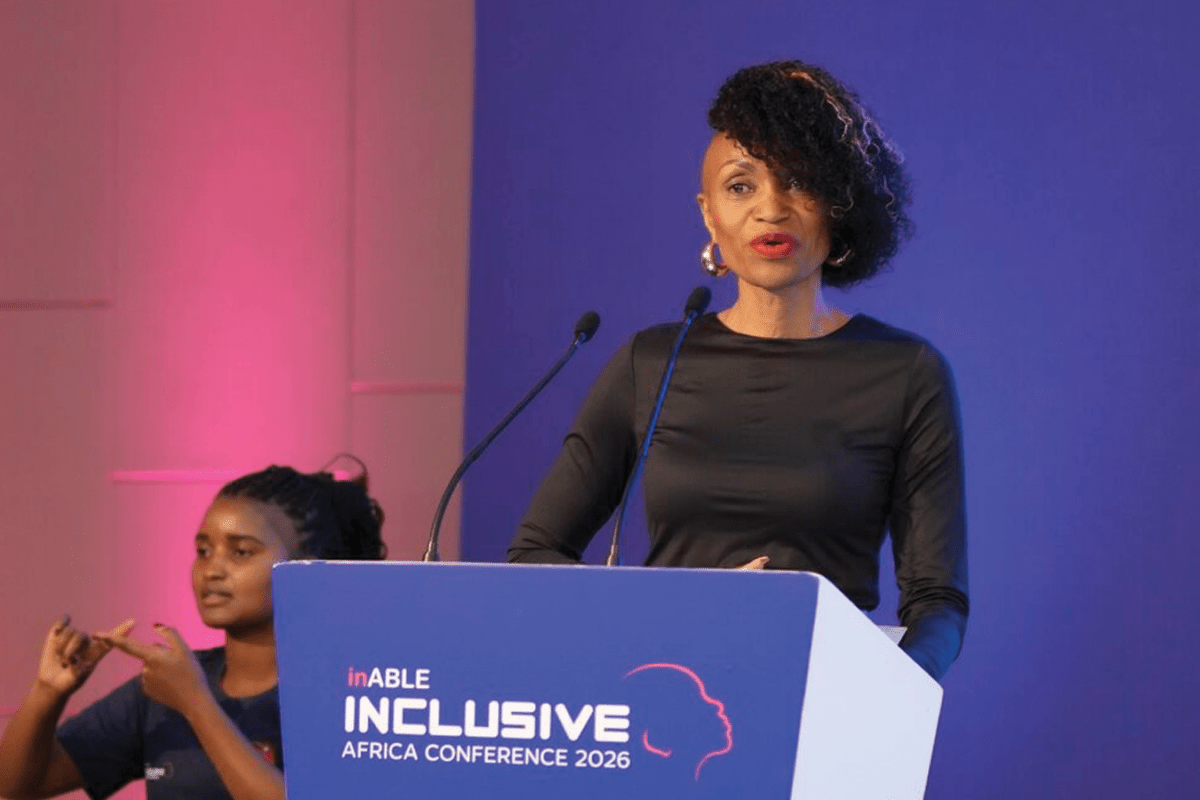
At the seventh Inclusive Africa Conference, convened by inABLE in Nairobi from June 2–4, 2026, conversations examined whether Africa’s fast-expanding digital economy works for everyone or reproduces recurring forms of exclusion.

As Irene Mbari-Kirika, Executive Director of inABLE, noted, many technologies continue to fail because they are not developed with persons with disabilities in mind. This means that such devices can not be used by millions of potential users, and it has direct consequences for several users’ financial autonomy, privacy, and safety, especially in digital financial services such as mobile money.

Africa’s challenge is therefore not only access to assistive technologies, but the absence of a coherent local ecosystem for their design, production, distribution, and implementation. Building a sustainable assistive technologies value chain grounded in local materials, regional manufacturing, and culturally and linguistically relevant design is increasingly central to closing this gap.

The structural barriers to inclusion are deeply embedded across sectors, including in the education sector, where teacher training often excludes digital accessibility, curricula are rarely tested with assistive technologies, and assessment methods continue to assume uniform modes of learning and expression. These gaps, including digital literacy gaps, are compounded by the limited availability of African-language datasets, particularly for learners with communication disabilities, which constrains the development of inclusive digital and artificial intelligence (AI)-enabled learning tools.

Notably, AI presents both opportunity and risk for digital inclusion. The outcome depends on whether inclusion is embedded in design, data, and deployment. On the upside, AI-enabled tools have expanded access for blind and low-vision users, while applications in healthcare are widening access to psychosocial support on a continent with less than two mental health professionals per 100,000 people. Real-time sign language translation and voice-to-text tools are also creating new pathways for participation.

At the same time, without targeted upskilling and bias audits, AI risks simultaneously opening one door for persons with disabilities while closing others. For example, AI systems are automating roles such as data entry, transcription, and customer service, which have historically provided key employment pathways for persons with disabilities. Yet, AI models trained on biased or unrepresentative datasets and automated decision-making processes risk excluding persons with disabilities from recruitment systems.

Mercy Ndegwa, Director of Public Policy for Africa at Meta, stressed this point, noting that AI systems can only reflect communities whose data and voices are included in their design and training. This makes the inclusion of organisations of persons with disabilities in AI governance not only a rights imperative but also a technical requirement for building functional systems.

However, African-language datasets remain severely underdeveloped,  and the cost of building them at scale is prohibitive for most actors.

The launch at the summit of the development of Africa’s first Harmonised Digital Accessibility Standard for ICT Products and Services marks an important step toward continent-wide alignment. The 24-month participatory process targets adoption across all 45 African Organisation for Standardisation (ARSO) member countries. The regional standard will be adapted to African languages, culture, and infrastructural realities, changing the procurement baseline for governments while setting a compliance reference for private technology developers across the continent. Fourteen countries have reportedly confirmed participation.

Throughout the discussions, the principle “Nothing about us without us” remained central, with an acknowledgement that persons with disabilities are contributors, decision-makers, and leaders in designing systems that affect them, and not merely end-users or research subjects to be consulted only after decisions are made. Design consultant Rama Gheerawo framed this through three registers: designing for, designing by, and designing with persons with disabilities as co-creators throughout all processes.

CIPESA has been emphatic that governments, regulators, and telecommunication operators bear the greatest responsibility for digital inclusion for persons with disabilities. Civil society efforts cannot substitute for enforceable action and measurable implementation. Limited capacity to engage in technical standard-setting also continues to hinder progress on digital rights for persons with disabilities. At the same time, fragmented approaches and shifting donor priorities are placing increasing strain on the sustainability of this work.

The European Union (EU) AI Act sets a benchmark for how regulation can protect marginalised groups, while the African Union (AU) Continental AI Strategy provides guiding principles on how AI should be developed, governed, and used across the continent. However, no African has developed definitive AI legislation, although several are developing policies or strategies. As CIPESA has emphasised, AI policy frameworks across Africa must include persons with disabilities from the outset.

More specifically, efforts must be geared toward fixing AI at the source by including representatives of persons with disabilities in training data, ensuring algorithmic accountability, and making AI-powered public services accessible to all. Moreover, all AI regulations and policies must have explicit disability provisions.

Additionally, governments must reduce sector-specific taxes on entry-level assistive devices and assistive technology hardware, and mandate that Universal Service Access Fund disbursements include explicit, measurable targets for connectivity for persons with disabilities.
CIPESA Announces Largest ADRF Grants – USD 320,000 to 18 Initiatives

By Ashnah Kalemera |

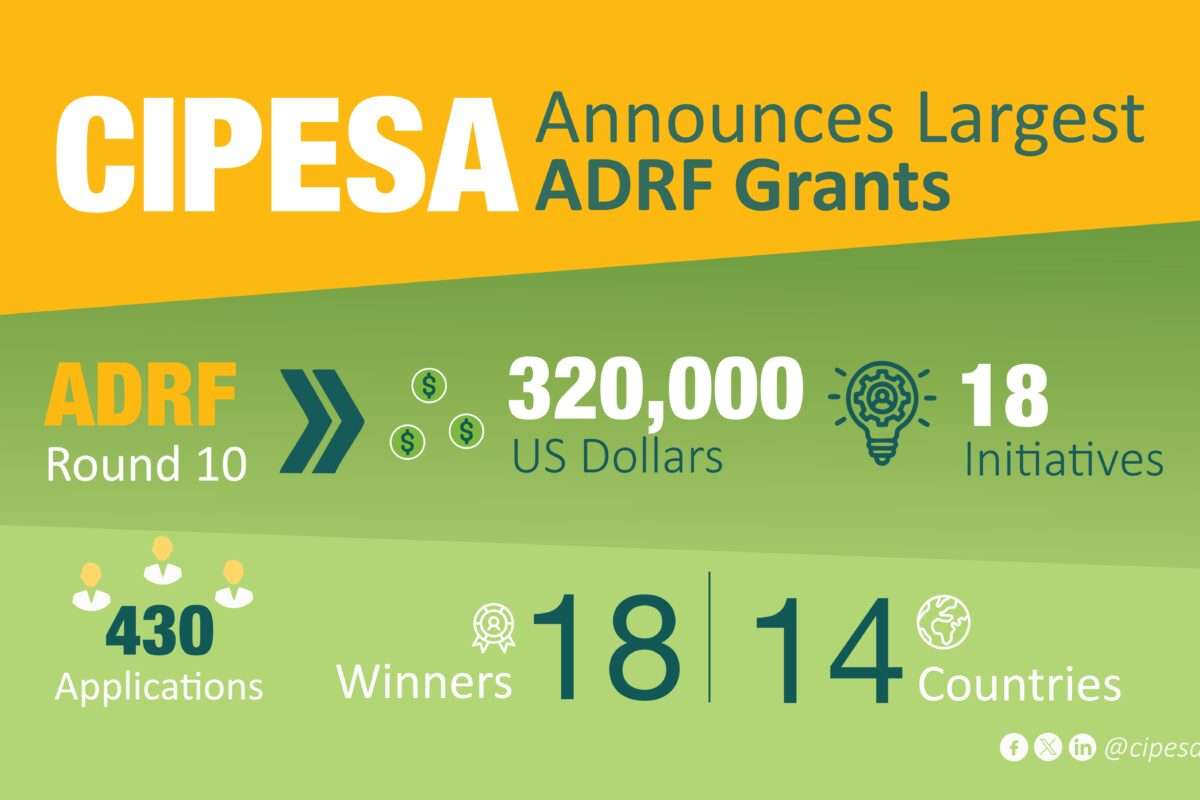
The Africa Digital Rights Fund (ADRF) has awarded USD 320,000 to 18 initiatives in 14 countries to support efforts to advance digital rights, inclusion, and online safety.

The grant recipients will promote responsible data governance, advance accessibility for persons with disabilities, counter Technology-Facilitated Gender-Based Violence (TFGBV), and support digital equity for refugees. Others will build digital resilience among at-risk groups, deepen youth engagement in digital democracy, and promote women’s participation in the governance of Artificial Intelligence (AI).

Based in the Democratic Republic of Congo, Ethiopia, Ghana, Guinea, Kenya, Liberia, Madagascar, Rwanda, South Africa, South Sudan, Tanzania, Uganda, Zambia and Zimbabwe, the awardees will tackle some of Africa’s most pressing digital challenges.

The latest awards under the 10th funding round bring to USD 1.3 million, the total amount the Collaboration on International ICT Policy for East and Southern Africa (CIPESA) has disbursed under the ADRF. The fund was launched in 2019 to support organisations advancing digital rights in the face of limitations of reach, skills, resources and consistency in engagement.

“The overwhelming number of applications received in this round reflects the changing funding landscape for digital rights and democracy in Africa,” said Dr. Wairagala Wakabi, CIPESA’s Executive Director. “We are excited that the ADRF continues to bridge the prevailing funding gap and expand into new geographies and constituencies.”

The funding round received the largest number of applicants ever (430) and has expanded ADRF’s footprint into new countries such as Guinea, Liberia and Madagascar, and new beneficiary groups including youths, migrants, and a National Human Rights Institute (NHRI). The four most recent calls for proposals – Rounds eight, seven, six and five –  received 130, 280, 283 and 120 applications respectively.

Applications went through several rounds of reviews by two internal committees at CIPESA and an external committee of independent experts.

Overview of ADRF 10 Grantees

Digital Accessibility for Persons with Disabilities

The Rwanda-based Organisation d’Integration et de Promotion des Personnes Atteintes d’Albinisme (OIPPA) will build digital literacy and online safety skills for youth with disabilities, and conduct accessibility audits of government online platforms. In Ghana, Open Knowledge will enhance capacity and awareness of accessibility standards among civil society, parliamentary committees, and communications service providers.

Meanwhile, the Zimbabwe Council for the Blind will conduct accessibility audits of public sector websites, provide training in inclusive design, and advocate for implementation of inclusion and equity  under the country’s recently launched AI Strategy. The three initiatives will be anchored in CIPESA’s Disability and ICT Accessibility Framework Indicators.

The ADRF’s first NHRI grantee, the Ethiopia Human Rights Commission (EHRC), will strengthen staff capacity in digital inclusion and accessibility for persons with disabilities, and mainstream these principles into its broader human rights monitoring and oversight mandate.

Youth Engagement

Restless Development in Uganda will empower young media professionals and influencers to champion digital rights. Using its Youth Hack Methodology, the initiative will co-create innovative digital rights campaigns that combat disinformation and promote platform accountability.

AI Governance

As AI development and governance conversations continue to take root in Africa, women remain largely excluded. Women in Data Science and AI Zambia will build skills in ethical AI and algorithmic bias detection, and establish a national network to amplify women’s voices in Zambia’s AI policy conversations.

Technology-Facilitated Gender-Based Violence (TFGBV)

Given the gaps in state actors’ understanding of digital harms and the need to equip them with practical tools and guidance, ALT Advisory will develop and pilot adjudication training materials for judicial officers in Kenya and South Africa. These materials will address online harms such as TFGBV, disinformation, and digital rights violations.

Research ICT Africa will examine the drivers of TFGBV in South Africa, identifying regulatory and AI ethics gaps. Findings will inform workshops and policy discussions aimed at strengthening national responses and safer digital environments.

In Zambia, Asikana Network will develop a safety toolkit with reporting guides, evidence collection tips and referral resources. This will be complemented by digital safety labs for women to build skills in managing online risks and responding to incidents.

In Madagascar, Communication Idea Development (CID) will counter gender-based disinformation and hate speech through digital literacy campaigns and workshops targeting organisations and activists working in Antananarivo, Boeny, and Vakinankarata.

Data Governance

Building on Liberia’s ongoing national data governance journey, including support from the African Union and CIPESA to develop a Data Governance Policy, the West Africa ICT Action Network (WAICTNet) will build awareness of data rights and support stakeholder readiness ahead of the launch of the Policy and the enactment of the Data Protection and Privacy Act (2024).

Similarly, Amnesty International Kenya’s Privacy First Team will engage Kenyan university students to understand data rights and promote transparent data governance in line with the Data Protection Act of 2019.

Technology and Migration

In Kenya, Haki Na Sheria will examine cross-border data collection and sharing under the Shirika Plan that promotes refugee inclusion and settlement, highlighting risks such as surveillance and exclusion. The project will focus on the Dabaab Complex – the world’s largest refugee camp – offering digital rights literacy sessions and producing data rights guides in Somali and Swahili.

In South Sudan, the Lim Nguen Foundation will build digital literacy and safety among refugees and Internally Displaced Persons (IDPs) in the Gorom and Juba camps. The project will establish “Digital First Responders” to support survivors of TFGBV, particularly women and girls.

Digital Resilience

Hexabelt, in partnership with Eleza Fact, a Congolese disinformation and fact-checking initiative, will strengthen the digital resilience of journalists in Kinshasa and Lumbubashi through hands-on training, newsroom security audits, and cybersecurity drills.

Across the border, the Tanzania Human Rights Defenders Coalition (THRDC) will combine legal assistance, strategic litigation, and emergency support to safeguard environmental defenders and journalists from digital threats.

Information Integrity

In the aftermath of Guinea’s presidential election, tensions remain high ahead of the May 2026 legislative and municipal elections. Djikke Media will deliver workshops on fact-checking, open source investigations, digital hygiene, and deepfake detection.

In Uganda, a new knowledge agency – the House of Seshat – is being supported to explore how social media and generative AI are shaping political discourse and political accountability.