FIFAfrica25 |
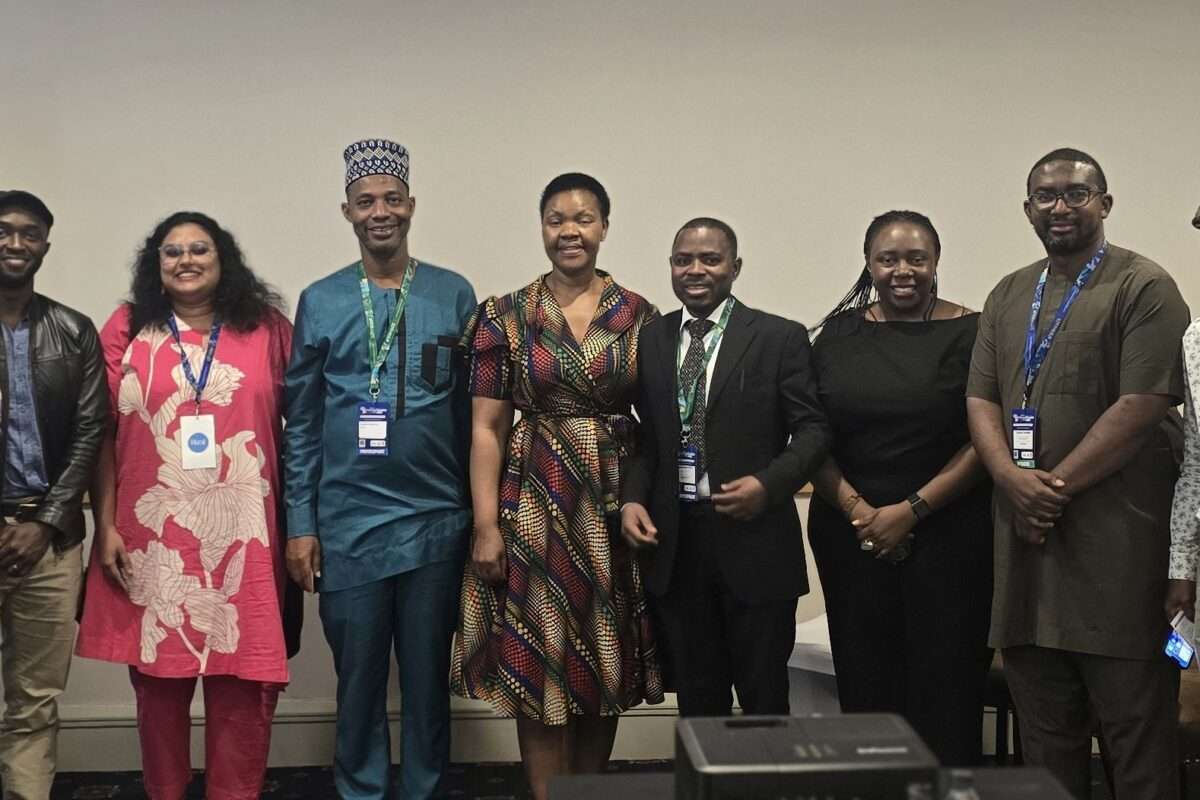
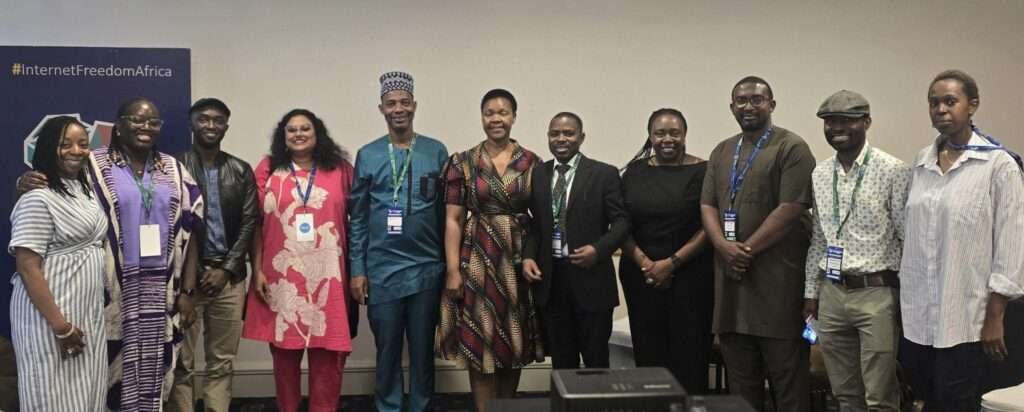
The African Declaration on Digital Freedom and Democracy (the declaration) was adopted in Windhoek, Namibia. Spearheaded by the Collaboration on International ICT Policy for East and Southern Africa (CIPESA), conveners of the annual Forum on Internet Freedom in Africa (FIFAfrica), this declaration is a collective statement of principles and commitments by a multi-stakeholder assembly of digital rights actors from across Africa and beyond.
For decades, Namibia has demonstrated unmatched commitment to democratic governance, press freedom, and inclusive digital development. It holds a unique and powerful legacy in the global media and information landscape, having been the birthplace of the 1991 Windhoek Declaration on Promoting Independent and Pluralistic Media and the Windhoek+30 Declaration of 2021, which expanded the 1991 Windhoek principles to the digital age and reaffirmed that information is a public good.
In the digital age, where emerging challenges such as information integrity, Artificial Intelligence (AI) governance, connectivity gaps, and platform accountability continue to shape our societies, the hosting of FIFAfrica and the unveiling of the African Declaration on Digital Freedom and Democracy in Namibia mark a historic milestone for the digital rights movement across the continent.
This Declaration reaffirms our collective commitment to advancing digital democracy as a cornerstone of open, inclusive, and rights-respecting societies. It reflects our shared readiness to champion access to information, information integrity, data governance, online safety, and digital resilience.
These principles are not just aspirations—they are fundamental tenets of modern democracy. As Africa navigates the complexities of the digital era, this Declaration serves as a guiding framework to ensure that technology empowers rather than excludes, protects rather than exploits, and strengthens rather than undermines democratic values. For us, internet freedom is freedom from digitally-enabled oppression and exploitation, and freedom for shaping technology to serve the full development of Africa’s people and environment.
Preamble
We, the undersigned participants of FIFAfrica25, representing civil society, the tech community, media, the business sector, and individuals across Africa:
Confronted by the reality that nearly half of African citizens still do not have access to the internet and that this digital divide excludes them from exercising any of their rights online;
Guided by the reality that digital technologies now shape and inform nearly every aspect of the human experience, from civic participation and economic opportunity to education, health, and justice;
Recognising that while technological advancement presents extraordinary opportunities to enhance the protection of human rights, it also poses grave risks to democratic participation, social justice, and freedoms across Africa;
Acknowledging that Africa, as the youngest continent rich in cultures, languages, social fabrics, and economic potential, is nonetheless confronted with worrying democratic regression and the misuse of digital technologies that deepen exclusion and exacerbate harms, as well as unequal standards by international tech companies in terms of human rights protection and promotion in our countries;
Affirming that at the intersection of democracy, society, and digital technology lies the opportunity for Africans to transform and harness technology as an enabler of improved services and the enjoyment of human rights for all;
Reaffirming the importance of existing continental declarations and frameworks such as the African Declaration on Internet Rights and Freedoms, the M20 Declaration on Information Integrity for the public good, the Model Law on Access to Information, the African Union Convention on Cyber Security and Personal Data Protection, the Declaration of Principles on Freedom of Expression and Access to Information in Africa and the recent digital resolutions 620, 630, 631 and 639 at the African Commission on Human and Peoples’ Rights (ACHPR);
Guided by complementary frameworks including the African Union Digital Transformation Strategy (2020–2030), the African Continental Free Trade Area (AfCFTA) Digital Trade Protocol, and the AU Continental Artificial Intelligence Strategy, which collectively signal Africa’s determination to build a progressive, inclusive, and rights-respecting digital democracy;
Committed to ensuring that technology serves as a tool of empowerment and inclusion rather than exclusion, placing Africa’s citizens at the heart of digital democracy while upholding the necessary safeguards for fundamental freedoms;
Recognising that as technology continues to evolve at an unprecedented pace, deliberate action is required to ensure that its commercial drivers and related architectures are shaped to strengthen rather than undermine democratic values;
Affirm through this Digital Democracy Declaration for Africa, our shared vision of a continent where technology advances human rights, safeguards freedoms, and strengthens inclusive democratic participation.
Determined to defend and advance the rights, freedoms, and security of all Africans in the digital era;
Do hereby adopt this Declaration on Digital Freedom and Democracy.
Our Principles
- Universal Access, Meaningful Inclusion:
- Every African has the right to affordable, safe, and meaningful access to the internet, regardless of gender, age, location, ability, language, or socio-economic status.
- Internet shutdowns should never be implemented as tools of control. All forms of network disruptions must be stopped and digital inclusion prioritised to bridge digital divides.
- Digital spaces must be protected as arenas for free expression, access to information, peaceful assembly, and association, and spaces where privacy is respected, thus enabling citizens to engage without fear of censorship, intimidation or reprisal. A democratic Africa is one where citizens can confidently challenge power online and offline.
- Political participation online must reflect the diversity of Africa’s peoples, ensuring gender equality, youth participation, and the inclusion of historically marginalised groups.
- Transparency, Oversight and Accountability:
- Governments and private actors must be transparent about how digital technologies are designed, deployed, and governed. Accountability mechanisms must protect and enhance the rights of citizens. Independent oversight and accountability mechanisms that protect citizens from unchecked surveillance, manipulation, and digital repression should be established and operationalised.
- People-centred Digital Transformation:
- Digital systems must be designed to serve people first. Every innovation must advance human dignity, agency, and rights. We reiterate that Africa’s digital future cannot be built on systems that surveil, exclude, or exploit people and citizens.
- The digital divide structures access to information and impacts people differently. It is critical that the needs of marginalised groups, whether by urban rural sex or age, are specifically addressed in efforts to ensure technology is people-centred.
- Governments must develop people-centered laws and policies that promote affordable, secure, and universal internet access supported by inclusive ICT infrastructure developed through public-private partnerships.
- Accountability of digital operators is needed to ensure public interest prerogatives are respected, and this requires multistakeholder engagement and independent regulatory and governance processes.
- Electoral and Political Rights:
- Electoral processes in both online and offline respects must be transparent, independently monitored, and guided by impartial institutions to promote and enhance accountability
- Voters must be guaranteed safety before, during, and after elections, including protection from physical violence, digital harassment, and state repression.
- Political participation is not limited to elections—it encompasses civic engagement, peaceful assembly, association, access to information and free expression both online and offline.
- Civic engagement and digital participation must be protected as pillars of accountability.
- Misinformation and disinformation, along with hate speech, affect information integrity during elections, thereby putting election integrity into question. Any measures to address information integrity must comply with international human rights law.
- Civil Liberties:
- The rule of law must protect political dissent and freedom of expression online and offline.
- Practices that undermine democracy, including undue and unwarranted surveillance, censorship, cyberattacks and the criminalisation of speech including imprisonment, harassment, or physical violence targeting dissenters should be stopped.
- Data Justice:
- Data can be an enabler or disabler of human rights. It must be governed with justice, sovereignty, equity, and ethics at its core. Privacy, informed and active agency over consent and accountability are non-negotiable. Policies must protect individuals from targeted exploitation and abuse by states and corporations, while upholding data sovereignty and ensuring the use of this asset for the benefit of all.
- Regional economic blocs must commit to harmonising digital rights frameworks across member states, reducing fragmentation and ensuring continent-wide protection of freedoms.
- Data holders in both public and private sectors should be subject to transparent and open. access regimes that are guided by public interest criteria, with only narrowly framed exceptions that accord with international standards of legality, legitimate purpose, necessity and proportionality rationales for refusing disclosure.
- Digital Resilience and Security
- Societies must be protected from digital harms such as disinformation, cyberattacks, and tech-facilitated violence against women and vulnerable communities, which are used to violate the rights to expression, equality, privacy and dignity of these persons. The responsibility for protection should not be the sole burden of individuals.
- Protection must be through rights-respecting safeguards without compromising fundamental freedoms. Safeguards must strengthen trust, protect electoral cycle processes, defend the media, public protest, and secure online communities while fully upholding rights.
- Resilience requires African stakeholders to work collectively to empower internet users with critical agency about their right to a free, rights-respecting and open internet.
- Innovation for Equity:
- Emerging technologies and approaches, from artificial intelligence (AI) to digital public infrastructure, must be designed, developed, adopted and deployed to promote fairness, equity, sustainability, democracy and transparency, while safeguarding all individuals against bias, surveillance, and exploitation.
- Governments, the private sector including the tech community and other stakeholders must ensure these technologies advance shared prosperity rather than entrenching the power and interests of the privileged.
- Incentives should be put in place for Africa-centric innovations, involving African data, rather than exclusive reliance on imported technology and services.
- Universality of Rights
- All people, regardless of who they are or where they live, must enjoy equitable rights and freedoms. The right to access, use, and shape digital technologies is a direct extension of fundamental human rights.
Calls To Action
We, the undersigned further call upon governments, regional bodies, big tech and corporations, media, civil society, and citizens to commit to:
Governments
- Protect democratic spaces online and offline, and to ensure that policies and laws uphold fundamental rights and freedoms.
- Adhere to and domesticate progressive frameworks built upon public consultation efforts and embedding them into national digital strategies.
- Reject network disruptions and refrain from using internet shutdowns, social media shutdowns or throttling as tools of information control, especially during times of public interest such as elections and protests.
- Support the establishment of independent regulatory bodies, free from political interference, to ensure trust, safety, and accountability in digital governance.
- Take deliberate measures, including sustained investment, public-private partnerships,and digital literacy initiatives, to expand affordable, reliable internet infrastructure and ensure meaningful access for marginalised and underserved communities.
- Invest in affordable and reliable internet infrastructure, and prioritize marginalized and underserved communities.
- Introduce enabling regulation and financing for community-centred connectivity initiatives, public access, access in schools and universities and partnerships with the private sector and civil society.
Regional Bodies
- Harmonise digital rights frameworks across member states to reduce fragmentation and protect freedoms continent-wide.
- Actively monitor and publicly hold states accountable for digital rights violations such as shutdowns, surveillance overreach, and censorship, especially during elections.
- Support democratic consolidation by monitoring elections, promoting digital rights, and ensuring states uphold their obligations under African and international frameworks.
- Advance digital inclusion by prioritising cross-border connectivity and ensuring affordable access to information infrastructure.
- Support pan-African approaches towards ensuring that foreign data holders provide access to African stakeholders at the highest standards where they do so in other parts of the world.
Big Tech and Corporations with digital and democratic significance
- Respect and integrate African social and linguistic standards in platform design, data governance, and content moderation practices.
- Increase transparency and measures around algorithms, data practices, and the handling of harmful content.
- Invest in public interest media and digital literacy initiatives that counter disinformation and strengthen civic participation and engagement.
- Partner with African institutions, including civil society, media, academia and tech hubs to support inclusive digital economies without reinforcing dependency or exploitation.
Civil Society
- Champion the principles of digital democracy by holding governments and corporations accountable to transparency, fairness, and rights-based governance.
- Strengthen cross-border coalitions to push back against practices such as internet shutdowns, unlawful surveillance, and exclusionary digital policies.
- Amplify the voices of marginalised groups by ensuring that digital transformation agendas reflect the lived realities of all Africans.
- Research and monitor online opportunities and threats to human rights in Africa, including the performance of platforms and AI services in these respects.
Citizens
- Meaningfully and purposefully participate actively in digital spaces through exercising freedoms of expression, assembly, association and public engagements.
- Demand accountability from leaders and tech companies over data collection, processing and management.
- In promoting digital democracy, act ethically and accountably in terms of respect for human rightswhen using digital technologies, fact-check, and ensure that the digital rights of others are respected.
All stakeholders
- Join the movement for #InternetFreedomAfrica by sharing experiences and advocating for meaningful, inclusive access to the internet in your community.
Media:
- Act as watchdogs to raise awareness and monitor digital governance regimes, safeguard electoral integrity, amplify diverse voices, and counter disinformation that undermines democratic participation.
Do you want to endorse the declaration? Please complete this form to give a reaction or to add your name to the African Declaration on Digital Freedom and Democracy!
Our Call to Action
The African Declaration on Digital Freedom and Democracy is not a conclusion, but a continuous process that should operate in tandem with the evolving needs of society, democratic participation and technology.
We, the undersigned call upon individuals, communities, and institutions across Africa to support this declaration and undertake efforts to ensure that the underlying principles are protected, respected, and promoted by all stakeholders for an inclusive, improved and favourable civic space:
This Declaration is endorsed by the following organisations, the tech community, media, business sector and individuals:
- Collaboration on International ICT Policy for East and Southern Africa (CIPESA)
- AfricTivistes
- KICTANet
- Paradigm Initiative (PIN)
- Access Now
- NMT Media Foundation
- International Media Support
- South African National Editors’ Forum (Sanef)
- Media Monitoring Africa
- JOXAFRICA